Guitarricadelafuente’s recent tour finale served as an emphatic statement: the indie circuit darling has officially ascended to pop stardom, yet his heart remains firmly planted in the stripped-down, visceral acoustic roots that defined his early career. As the house lights dimmed at the final stop of this high-octane tour, it became clear that the artist—born Álvaro Lafuente Calvo—has navigated the treacherous bridge between underground authenticity and mainstream adulation with surprising grace. While industry chatter and Oscar-adjacent buzz regarding his cinematic contributions have surrounded him of late, the night was a powerful reminder that his true currency remains his voice and guitar.
Key Highlights
- Arena Dominance: Guitarricadelafuente successfully bridged the gap between intimate acoustic performance and large-scale arena pop production, filling major venues with a loyal, energized fanbase.
- Cinematic Crossover: Despite the industry’s focus on his contributions to award-winning Spanish cinema, such as the Cinco lobitos (Lullaby) project, the tour proved he is more than just a soundtrack composer; he is a powerhouse live performer.
- The Indie-Pop Synthesis: The performance underscored a refined sonic identity that merges traditional flamenco-pop sensibilities with contemporary production, securing his place at the forefront of modern Spanish music.
- Authenticity at Scale: Even with enhanced production values, the show’s most impactful moments relied on minimalist, raw acoustic setups that highlighted his songwriting prowess.
The Architecture of an Ascendant Star
The trajectory of Guitarricadelafuente is a compelling study in modern musical evolution. In an era where viral TikTok moments often dictate the lifespan of an artist, Álvaro Lafuente Calvo has taken a markedly different, more organic path. The transition from the indie circuit—where artists are defined by their proximity to the audience—to the sterile, vast landscape of arena pop is rarely executed without losing the very magic that attracted the initial following. Yet, at this tour finale, the divide seemed non-existent.
Balancing Cinematic Acclaim and Stage Presence
There has been significant industry noise regarding Guitarricadelafuente’s cinematic ventures. His involvement with the soundtrack for the film Cinco lobitos—which garnered widespread critical praise and flirted with international award recognition—positioned him in the peripheral vision of the Oscars and European film academies. This “Oscar buzz” could have easily alienated his core fanbase or pulled him into a world of curated, pristine celebrity. Instead, he treated this professional pivot as merely one facet of his creative identity. On stage, he leaned into the storytelling elements of his film work, integrating those sonic textures into a setlist that remained firmly grounded in his earlier, grit-laden records.
The Strategic Pivot: Maintaining the Roots
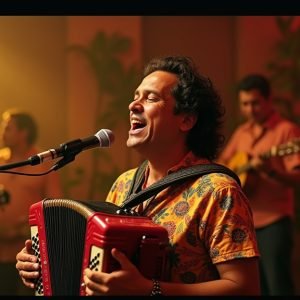
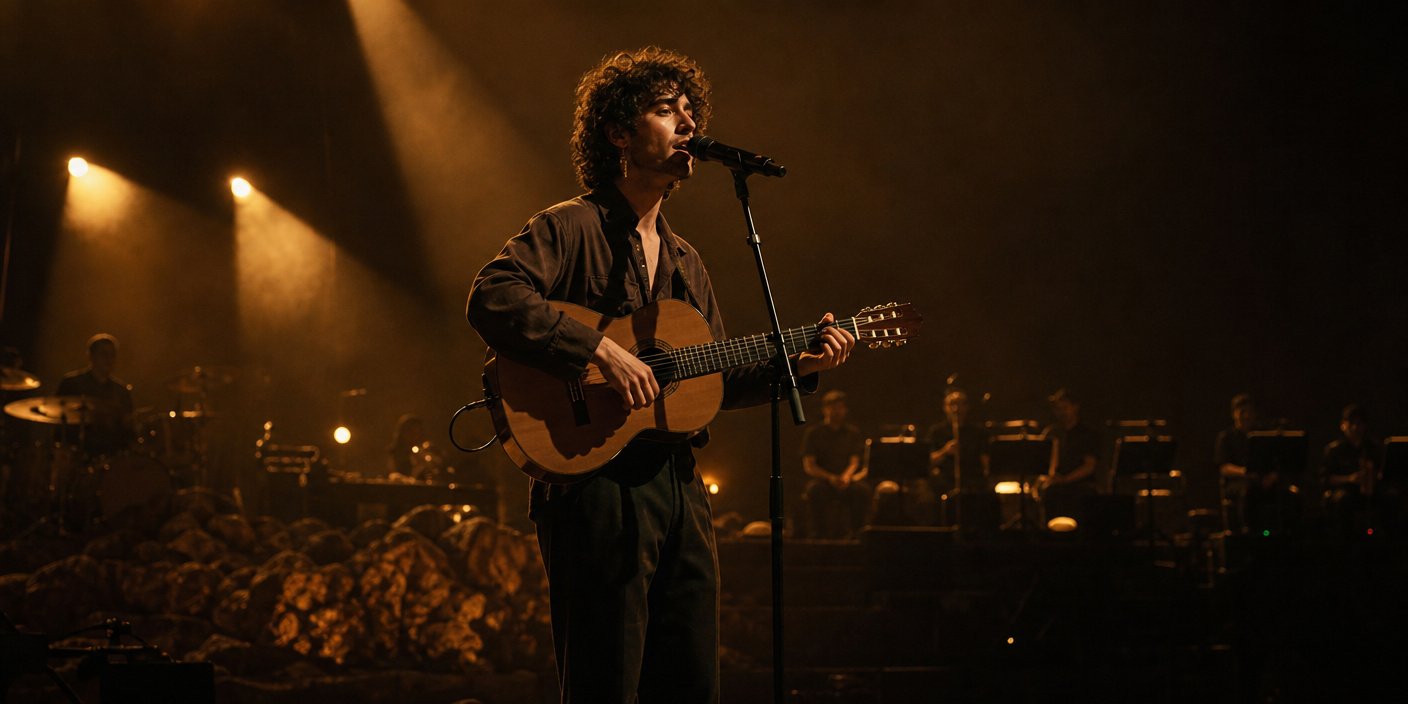
The performance was defined by a deliberate tension between the grand and the intimate. While the production design—a sophisticated interplay of warm, amber lighting and minimalist stage architecture—suggested a stadium-sized event, the performance itself felt like a living room session. By maintaining stripped-down acoustic sequences in the middle of a high-production show, he effectively reminded the audience why they fell in love with his music in the first place: the raw, unflinching vulnerability of his voice. This strategy is not merely artistic; it is a calculated masterclass in brand retention. By refusing to abandon his lo-fi origins, he ensures that as he grows, his fan base feels they are growing with him, rather than being left behind by a sudden shift toward pop polish.
Secondary Angles: Exploring the Musical Landscape
1. The Globalization of Flamenco-Pop: Guitarricadelafuente is a pivotal figure in the current wave of Spanish musicians who are exporting regional sounds to a global stage. His success suggests that domestic, identity-driven music is currently outperforming generic, localized adaptations of American pop in terms of streaming and ticket sales.
2. The Economic Shift in Venue Booking: This tour highlights a shift in how Spanish indie-crossover artists approach venue selection. By moving into larger, iconic spaces like the Wizink Center, artists are testing the limits of how many tickets can be sold for ‘niche’ genres that have now reached saturation in the cultural consciousness.
3. The ‘Cinematic Singer-Songwriter’ Phenomenon: We are seeing a distinct trend where musicians are leveraging film syncs not just for revenue, but as primary branding tools. Guitarricadelafuente’s experience with Cinco lobitos proves that high-brow critical approval can accelerate, rather than hinder, mass-market adoption when managed with artistic integrity.
FAQ: People Also Ask
Q: How has Guitarricadelafuente maintained his indie roots during this tour?
A: By integrating stripped-down, acoustic-only segments within large-scale arena shows, he preserves the intimate connection with his audience while meeting the production standards of a stadium artist.
Q: What is the connection between Guitarricadelafuente and the film industry?
A: He contributed significant music to the film Cinco lobitos (Lullaby), which received critical acclaim and industry accolades in Spain, contributing to a broader ‘Oscar buzz’ surrounding his creative work.
Q: Is Guitarricadelafuente considered a pop star?
A: Yes, based on his recent tour success, ticket sales, and cultural impact, he has officially transitioned from an indie circuit favorite to a prominent figure in the mainstream pop landscape, particularly within the Spanish-speaking market.
Q: What makes his live performance style unique?
A: His style is characterized by a blend of traditional flamenco-pop, raw songwriting, and a refusal to rely solely on high-production backing tracks, preferring to keep his acoustic guitar at the center of the performance.