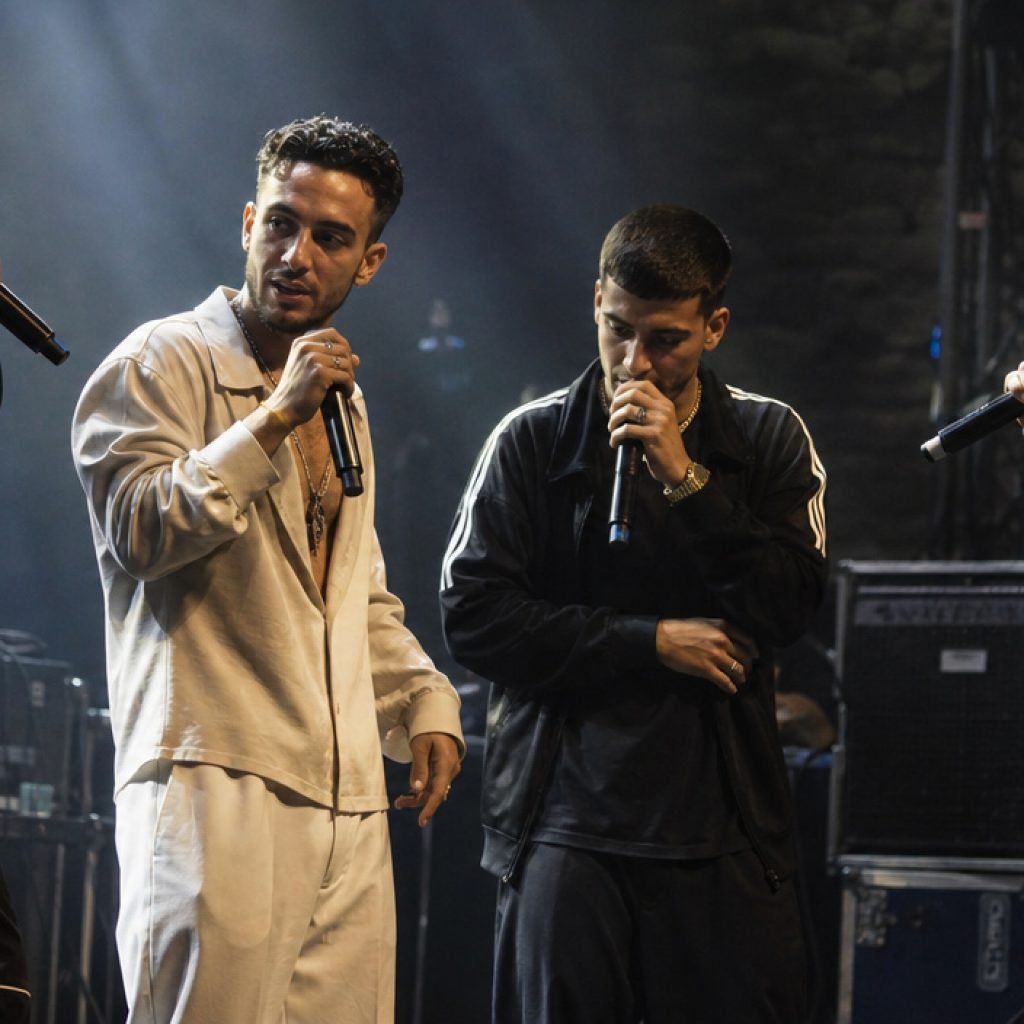

The atmosphere inside the venue was electric, thick with the shared history of a generation that grew up alongside the evolution of Spanish urban music. When C. Tangana, known to many as the suave, flamenco-infused pop star of ‘El Madrileño’, took to the stage alongside his former collective Agorazein, the transition was not merely a performance; it was an act of reconciliation with his own artistic past. In this exclusive review, we analyze how one of Spain’s biggest musical exports turned back the clock, proving that while his sound has evolved, his roots remain deep in the concrete of Madrid.
Key Highlights
- A Cultural Reset: The reunion underscored the seismic shift in the Spanish music industry from the DIY SoundCloud era of the early 2010s to the globalized success seen today.
- The Setlist Paradox: By blending deep-cut Agorazein tracks like “LOVE’S” and “10/20” with the polished production standards of his current era, the show highlighted the structural evolution of his songwriting.
- Authenticity Over Aesthetics: Unlike many “legacy” reunions that feel cash-driven, this performance focused on the raw camaraderie and shared lyrical DNA between C. Tangana and his original collaborators, including Fabianni, Sticky M.A., Jerv.Agz, and I-Ace.
Reclaiming the Underground: A Chronicle of Evolution
The reunion of C. Tangana with Agorazein in Madrid serves as a fascinating case study in artistic maturation. For those who witnessed the rapid ascent of Antón Álvarez Alfaro—better known as C. Tangana—the journey from the lo-fi, trap-heavy sounds of Agorazein to the sophisticated, genre-bending triumphs of his recent solo career has been nothing short of a masterclass in rebranding and creative development. The Madrid concert, however, was not about looking forward; it was about honoring the grit that forged the path.
The Anatomy of the Reunion
The performance did not rely on the massive, theatrical stage designs that have defined C. Tangana’s solo tours. Instead, the focus remained squarely on the microphone. The return to the Agorazein aesthetic—characterized by aggressive, introspective lyricism and melancholic production—offered a stark contrast to the celebratory, expansive nature of his more recent work. It was a “return to basics” moment, where the audience saw the artist stripping away the international accolades and returning to the raw, unfiltered hunger of his twenties.
One of the most profound aspects of the night was the interplay between the members. There was an undeniable synergy, a shorthand language developed through years of early collaboration. When they performed “Trouble,” the energy in the room shifted; it wasn’t just a nostalgic throwback, but a demonstration of how the foundations of Spanish trap were laid. The crowd, a mix of long-time fans who lived through the underground blogs of 2012 and younger listeners who discovered Tangana through ‘El Madrileño’, unified in a way that bridged the generational gap in modern Spanish music.
The Historical and Economic Shift
To understand the significance of this event, one must look at the historical context. Agorazein emerged during a time when Spanish urban music was fighting for mainstream legitimacy. Their DIY ethos wasn’t a choice; it was a necessity. They built a dedicated fanbase without the backing of major labels or traditional media support. This reunion is a testament to the economic viability of the path they carved. Today, the Spanish urban scene is a global powerhouse, and Agorazein’s contribution to that infrastructure cannot be overstated. By reuniting, they aren’t just performing songs; they are validating the struggle that made current Spanish music dominance possible.
Future Trajectory: Is This the End or a New Beginning?
While fans are clamoring for a new Agorazein project, the reality is likely more nuanced. This reunion appears to be a celebration of legacy rather than a reboot. However, the artistic implications are profound. C. Tangana has shown that he is not afraid to revisit his “C. Tangana” moniker—a name he once almost abandoned—to reclaim the narrative of his own history. This could influence his future solo work, leading to a deeper integration of his early, more aggressive rap sensibilities into his current fusion pop style.
Ultimately, the night in Madrid proved that Antón Álvarez is not trying to hide his past. He is not running away from the underground trap artist who came before the global star. By facing the music of his younger self, he has added a layer of complexity to his brand, solidifying his status not just as a musician, but as an architect of contemporary Spanish culture.
FAQ: People Also Ask
1. What is Agorazein?
Agorazein is a Spanish hip-hop collective formed in the early 2010s. It was the primary vehicle through which C. Tangana (Antón Álvarez) rose to prominence, characterized by its lo-fi, introspective, and trap-influenced sound that helped define the early era of Spanish urban music.
2. Did this reunion signal a permanent return for the group?
Based on the nature of the event and the artist’s current solo trajectory, this appears to be a legacy tribute and a celebration of their collective history rather than a permanent return to group-based music releases. It serves as a “nod to the roots” rather than a reboot.
3. Why is this reunion considered culturally significant?
It marks the validation of the underground Spanish rap scene of the 2010s. By having one of Spain’s biggest stars return to his original, more raw sound, it highlights the progression and eventual mainstream acceptance of a genre that was once completely ignored by traditional Spanish media and industry labels.