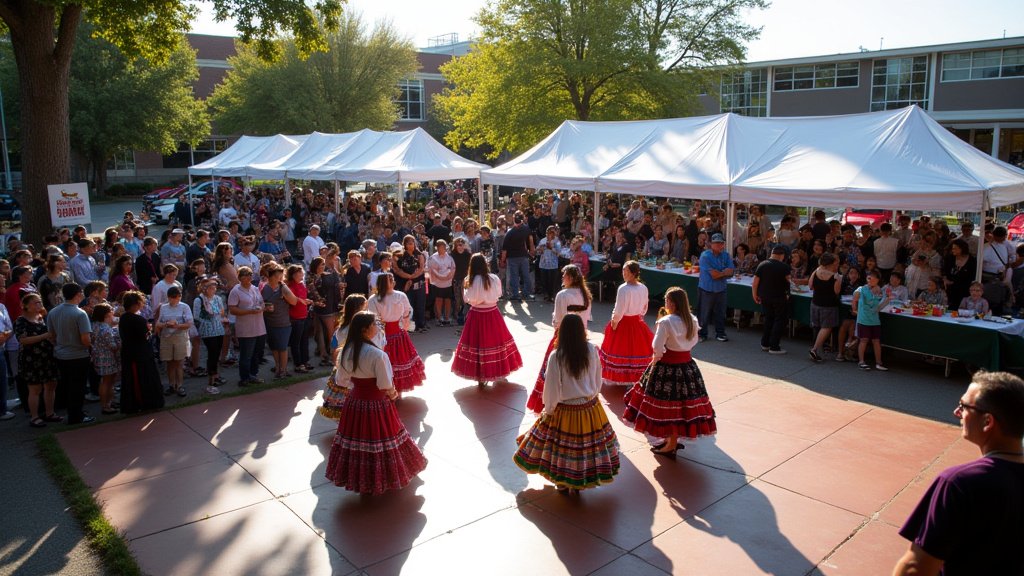
Families, students, and community members converged at Edmonds College in Lynnwood, Washington, for the annual Latino Expo, transforming the campus into a dynamic hub of cultural expression, education, and civic engagement. The event, which has become a staple of the region’s annual calendar, successfully concluded with hundreds of attendees celebrating Hispanic and Latino heritage through music, dance, and community-focused dialogue. By blending high-energy artistic performances with essential service outreach, the expo highlighted the vital role that local institutions play in fostering an inclusive and informed society.
Cultural Preservation Through Dance and Music
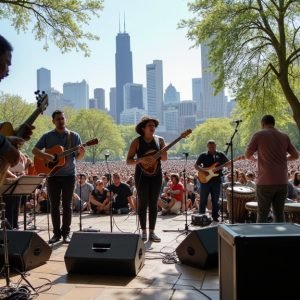
The heartbeat of the Latino Expo was undeniably its stage, which served as a vibrant showcase for traditional and contemporary Hispanic performing arts. The audience was treated to an immersive experience featuring Grupo Azteca and Ballet Folklórico Xochiquetzal. These performances did more than just entertain; they acted as a vessel for cultural education. For many younger attendees, the intricate footwork and colorful, flowing skirts of the Ballet Folklórico represented a direct link to ancestral traditions, while the percussive, rhythmic intensity of Grupo Azteca provided a powerful connection to indigenous roots. These performances are essential in an increasingly globalized world, where such public displays of culture help maintain the linguistic and historical identities of diverse communities. By prioritizing these art forms, the organizers ensured that the event resonated on an emotional level, creating a sense of pride and belonging among the local Hispanic population.
The Intersection of Culture and Civic Resource
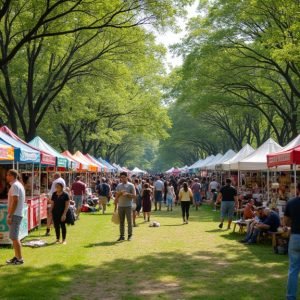
While the music and dance drew the crowds, the primary goal of the expo was connectivity. Interspersed throughout the event grounds were numerous community resource booths. This configuration allowed the organizers to leverage the festive atmosphere to address practical community needs. Attendees were not just spectators; they were participants who could access information on healthcare services, educational opportunities at Edmonds College, and pathways to local government support. This intersection of culture and civic resource is a proven model for community building. When individuals feel culturally validated, they are more likely to engage with institutions, ask questions about public services, and seek support for economic or educational advancement. The presence of local officials served to reinforce this, demonstrating a tangible commitment from government representatives to listen and respond to the specific needs of the Latino community.
Economic and Social Implications of Local Festivals
Secondary to the cultural and social benefits, festivals like the Latino Expo have a measurable impact on the local economy and community development. First, the influx of hundreds of visitors to the Edmonds College campus acts as a micro-economic stimulus, supporting local vendors and food trucks that provide authentic culinary experiences, which are often the lifeblood of such festivals. Second, the event serves as a networking platform. Small business owners, non-profit organizers, and educators often use this venue to forge partnerships that extend well beyond the day of the expo. Looking toward the future, the success of this year’s event suggests a growing trend in Snohomish County toward more intentionally inclusive public events. As demographic shifts continue, the demand for spaces that combine celebration with service will likely grow. The model established by the Edmonds College Latino Expo provides a blueprint for other institutions: to be truly effective, community events must prioritize the dual pillars of cultural authenticity and structural utility. By doing so, they ensure that the legacy of the festival is not just a pleasant afternoon, but a measurable improvement in the quality of life for the community it serves.