The 2026 iHeartRadio Fiesta Latina, held on October 17 at the Kaseya Center in Miami, once again cemented itself as the definitive cultural touchstone for Latin music. Bringing together the industry’s heavy hitters, the event served as a high-octane celebration of reggaeton, Latin trap, and pop, drawing thousands of fans to the heart of the Sunshine State to witness a curated lineup that defined the current trajectory of the genre. From the pyrotechnics that illuminated the arena to the seamless transitions between generational icons, the night was a masterclass in modern event production and musical synergy.
Key Highlights:
- Stellar Lineup: Performances by Latin music royalty including Anuel AA, Myke Towers, Farruko, Manuel Turizo, and Eladio Carrión.
- Venue Energy: The Kaseya Center provided an acoustically perfect and visually stunning backdrop, enhancing the immersive experience.
- Genre Evolution: The show highlighted the shift toward genre-blending, where reggaeton fused effortlessly with experimental trap and tropical pop.
- Cultural Impact: The event reinforced Miami’s status as the global epicenter for Latin entertainment and music exports.
The Pulse of Latin Music: 2026 iHeartRadio Fiesta Latina
Miami’s Electric Atmosphere
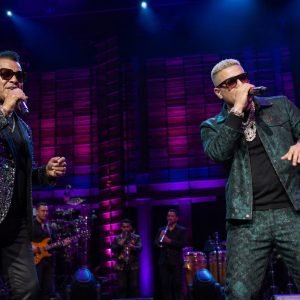
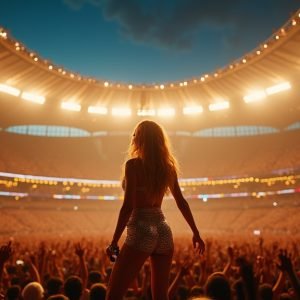
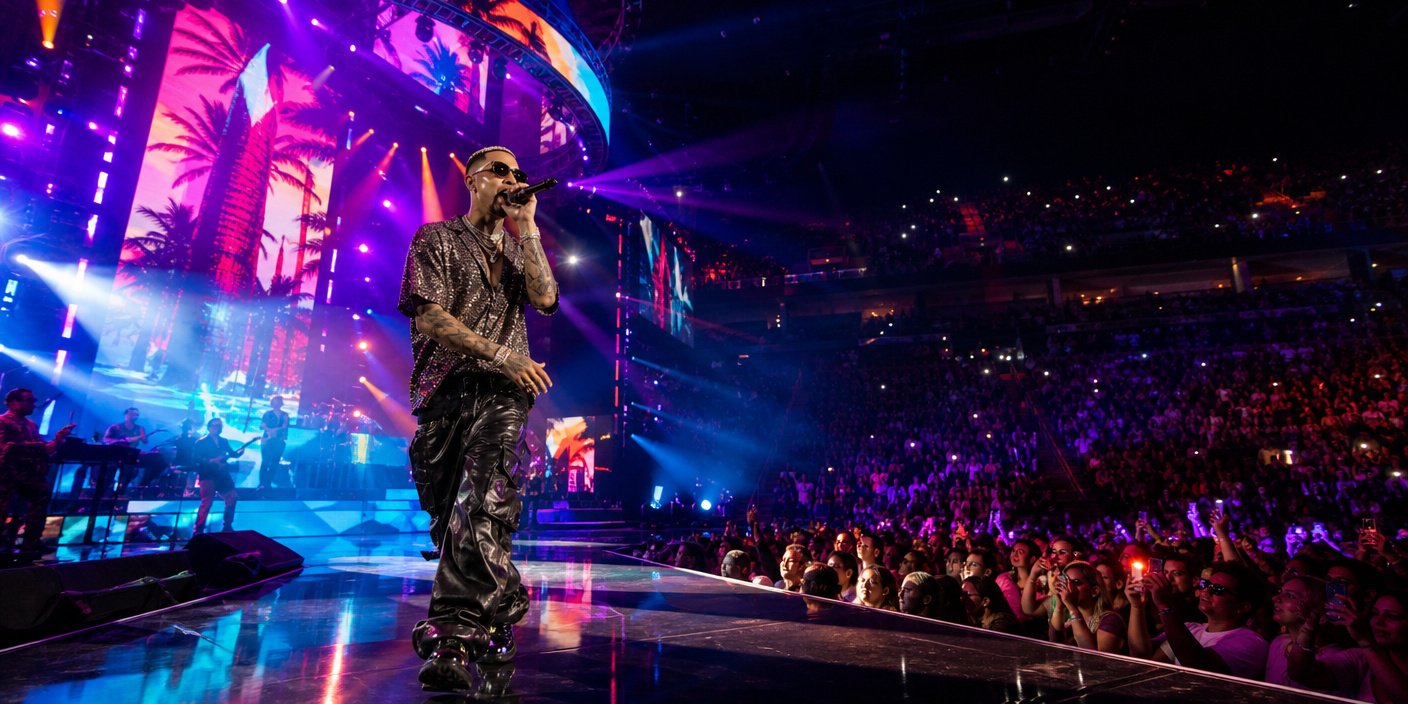
The choice of the Kaseya Center in Miami for the 2026 edition of the iHeartRadio Fiesta Latina was far from arbitrary. Miami has long served as the gateway for Latin music entering the North American mainstream, and the atmosphere on October 17 was a testament to that legacy. From the moment the doors opened, the anticipation was palpable. The production team spared no expense in transforming the arena, utilizing state-of-the-art LED screen arrays and kinetic lighting rigs that mirrored the intensity of the performances.
Fans arrived hours early, signaling the deep-seated community engagement that defines this festival. The demographic was diverse, bridging the gap between longtime Latin music aficionados and the new generation of listeners cultivated through rapid social media discovery. The city of Miami itself seemed to vibrate with the event’s frequency, with local venues hosting pre-show celebrations that kept the energy high throughout the day. By the time the lights dimmed for the opening act, the arena was at capacity, creating an immersive, collective experience that felt less like a concert and more like a pivotal moment in cultural history.
Defining the 2026 Latin Soundscape
The 2026 lineup was carefully constructed to represent the diverse spectrum of the Latin music industry. The performance of Anuel AA served as a centerpiece for the trap aesthetic, showcasing the grittiness and raw emotion that first propelled the sub-genre to global prominence. His ability to command the stage, combined with the visceral reaction of the crowd, underscored his continued relevance in an increasingly saturated market. In contrast, Manuel Turizo brought a polished, melodic sensibility to the stage, highlighting the smoother, pop-forward evolution of the genre.
Myke Towers, known for his relentless work ethic and lyrical dexterity, provided one of the evening’s highlights, proving why he remains a formidable force in the streaming era. His set was not merely a collection of tracks but a narrative arc that guided the audience through his discography. Farruko, whose transition toward message-driven and dance-hall-infused anthems has been one of the most interesting arcs in recent music history, provided a spiritual lift to the proceedings. His presence felt authoritative, grounding the chaotic energy of the night with a sense of purpose and unity. Finally, Eladio Carrión’s late-night appearance brought the sharp, lyrical precision that has earned him critical acclaim, serving as a reminder that the genre is currently in a renaissance of talent, where technical skill is as valued as pure commercial appeal.
Production Excellence at Kaseya Center
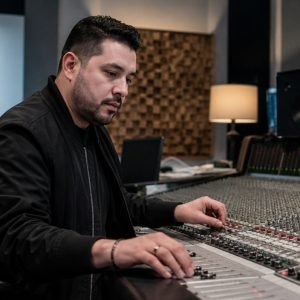
Beyond the artist performances, the technical execution of the 2026 Fiesta Latina set a new benchmark for live music events. The audio engineering was particularly noteworthy; balancing the bass-heavy requirements of reggaeton with the delicate vocal nuances of pop requires precision that is often lost in stadium settings. The production team ensured that every percussion hit and vocal ad-lib was crystal clear, maintaining a sonic fidelity that honored the complexity of the studio recordings.
The visual narrative was equally compelling. Each artist was given a distinct visual language, with color palettes and motion graphics that complemented their individual brand identities. This level of attention to detail is what distinguishes a top-tier iHeartRadio production from a standard concert tour. It is clear that the organizers view these events as live, interactive media experiences. The integration of social media tracking and real-time fan engagement metrics throughout the night suggests that the future of music festivals will be increasingly data-driven, allowing for personalized, tailored experiences for the global audience watching via digital streams.
The economic impact of such a production is significant, not just for the artists and organizers but for the city of Miami. Events of this scale drive tourism, stimulate the local hospitality industry, and generate massive media impressions that sustain the city’s brand as a global destination. By bringing together these specific performers—who collectively represent billions of streams—the Fiesta Latina creates a multiplier effect for the Latin music market, solidifying the economic viability of the industry while satisfying a hungry consumer base that is increasingly looking for high-quality, large-scale experiential entertainment.
As the night concluded with a collaborative energy that saw artists intermingling on stage, it became clear that the 2026 iHeartRadio Fiesta Latina was more than just a list of performances. It was a comprehensive snapshot of where the music industry stands in the mid-2020s: diverse, technically sophisticated, and undeniably dominant. The legacy of this night will likely be felt in the coming months as these artists embark on their respective tours and studio projects, carrying the momentum of the Miami stage across the globe.
FAQ: People Also Ask
1. Why is the iHeartRadio Fiesta Latina hosted in Miami?
Miami is considered the cultural and industry capital for Latin music in the United States. Its strategic location, demographic makeup, and established music industry infrastructure make it the perfect home for the festival.
2. Who were the standout performers at the 2026 event?
The event featured a powerful lineup including headliners and supporting acts like Anuel AA, Myke Towers, Farruko, Manuel Turizo, and Eladio Carrión, all of whom delivered high-energy sets.
3. How does this event impact the Latin music industry?
Such festivals act as massive promotional platforms that aggregate the biggest names in the industry, driving streaming numbers, media coverage, and cultural relevance, which in turn boosts the economic scale of Latin urban music on a global level.