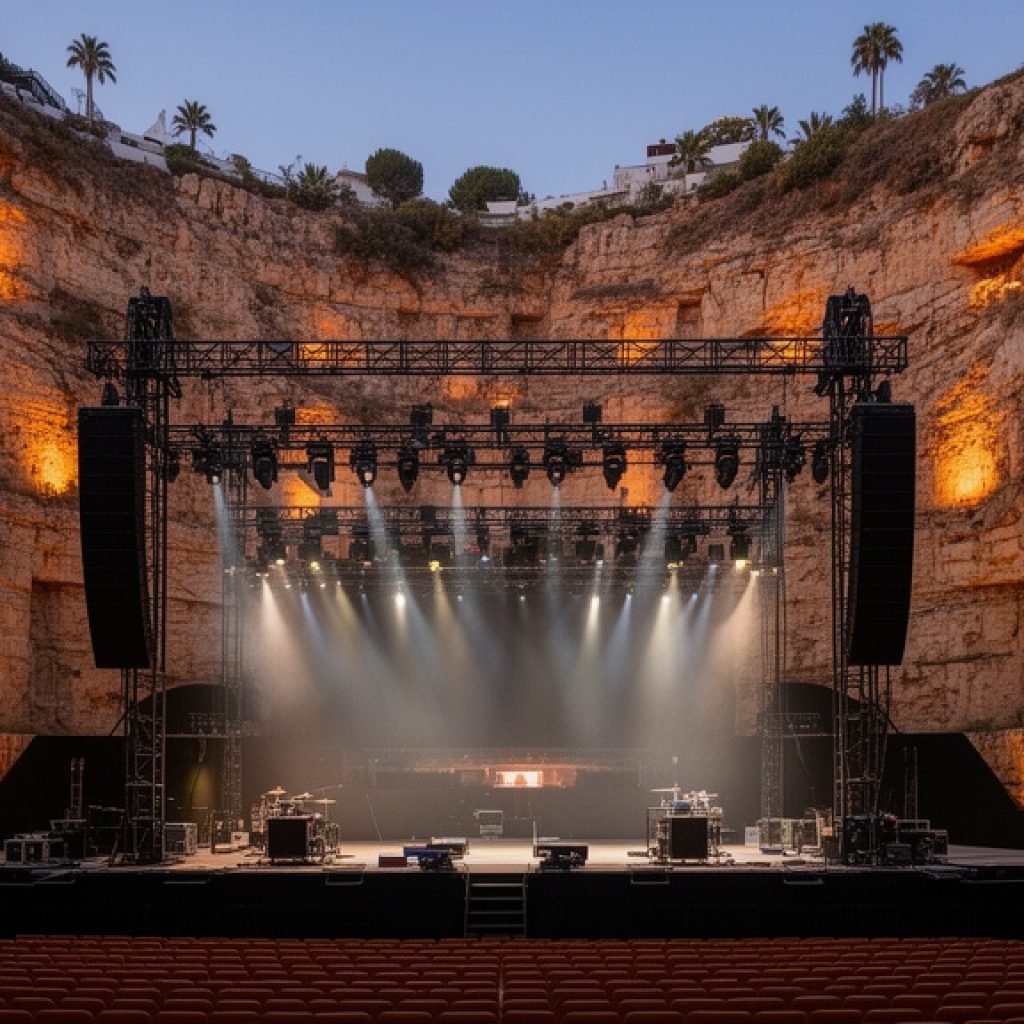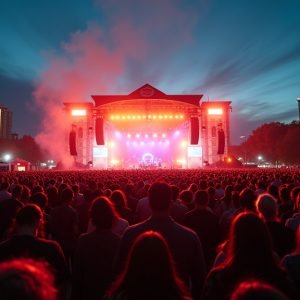
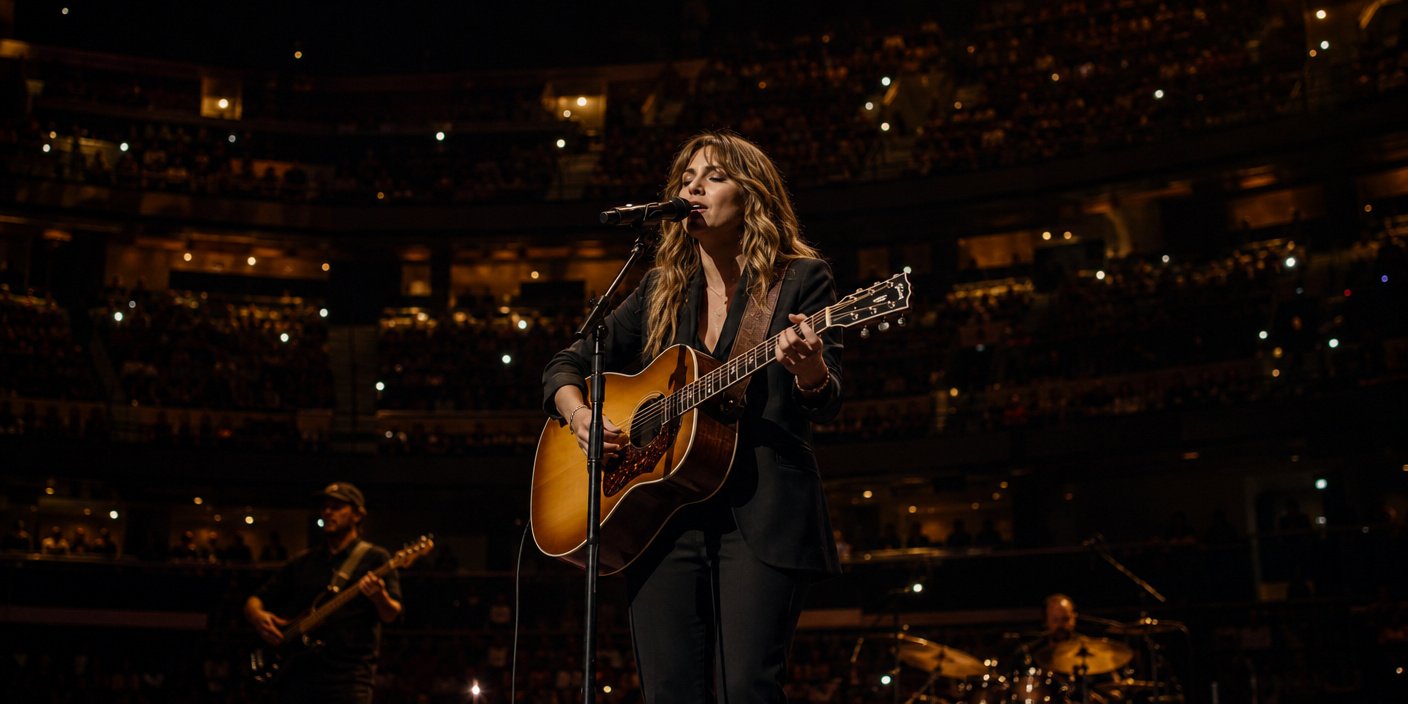
Puerto Rican singer-songwriter Kany García is set to reshape the landscape of live Latin music as she launches the U.S. leg of her highly anticipated ‘Puerta Abierta’ tour on September 7, 2026. Known for her deeply personal lyrical narratives and acoustic-driven soul, García is embarking on her most ambitious trek to date, bringing her signature intimate performance style to substantially larger venues. The tour marks a pivotal moment in her career, as she navigates the challenge of maintaining her ‘here and now’ philosophy—a method of performing that prioritizes immediate, raw audience connection—within the expanded sonic and physical footprint of major arena environments.
Key Highlights
- Launch Date: The U.S. leg of the ‘Puerta Abierta’ tour officially begins on September 7, 2026.
- Artistic Evolution: García is scaling her intimate, storytelling-based performances to larger venues by integrating a broader, more complex instrumentation palette.
- Performance Philosophy: The tour centers on the ‘here and now’ concept, focusing on breaking down the barriers between the performer and the thousands of fans in attendance.
- Career Milestone: This represents the largest-scale tour of García’s career, signifying her transition into arena-level residency in the U.S. market.
The Architecture of Intimacy in Arena Spaces
For most artists, the transition from club-style intimacy to arena-scale production often involves a trade-off: grand visuals, elaborate choreography, and a wall of sound often replace the quiet, conversational energy that defines a songwriter’s early work. However, Kany García is attempting to subvert this industry standard with the ‘Puerta Abierta’ tour. By leveraging the title itself—’Open Door’—García is making an artistic statement about vulnerability, inviting her U.S. audiences into a space that feels expansive yet deeply personal.
The Sonic Expansion
To fill the acoustic void that can sometimes plague cavernous arenas, García has opted for a sonic expansion rather than a departure from her roots. Rather than relying on heavy backing tracks or over-produced synthetic elements, she is integrating more live instrumentation. This strategic layering allows the music to retain the organic, earthy quality of her studio albums while providing the sonic ‘weight’ necessary to reach the back rows of a stadium. The inclusion of additional instrumentalists serves a dual purpose: it creates a richer harmonic landscape and provides García with more musical texture to explore, allowing her to improvise and adapt to the energy of each specific night.
Bridging the ‘Here and Now’
Central to the ‘Puerta Abierta’ philosophy is the concept of the ‘here and now.’ For García, this means the setlist is not merely a rote performance of tracks, but a reactive experience. She speaks of the concert as a dialogue. This approach requires a heightened level of engagement from the performer, as she must balance the technical demands of a large-scale arena show with the spontaneity of a living room performance. It is a balancing act that challenges her to keep her eyes on the crowd, effectively ignoring the massive architecture of the venue to create a singular, focused moment of connection with each fan.
The Growth of Latin Songwriting in the U.S.
This tour also reflects the shifting tide of the U.S. music market. For years, Latin pop was largely siloed into specific festivals or smaller venue circuits. García’s move into large-scale arenas is emblematic of a broader cultural shift, where Latin singer-songwriters are increasingly commanding the same professional stature as their global pop counterparts. By refusing to compromise her lyrical complexity or her acoustic-first identity, García is proving that arena-goers are not just looking for spectacle—they are looking for substance. The ‘Puerta Abierta’ tour is a test case for whether the mainstream market can support a model of performance that prioritizes emotional resonance over pyrotechnics.
Secondary Angles: Future Implications
1. The Evolution of the Touring Business: If García succeeds in replicating her intimate style in arenas, it may encourage other singer-songwriters to prioritize ‘organic’ arena tours, potentially shifting the aesthetic expectations of the industry away from maximalism.
2. The Logistics of Connection: The technical requirements of this tour are significant. Managing audio clarity across 15,000-plus seat arenas while keeping the sound ‘unplugged’ requires state-of-the-art sound engineering. This project may set a new technical benchmark for how acoustic-led artists handle stadium audio.
3. Demographic Shifts: This tour underscores the purchasing power and venue-filling capacity of the Spanish-speaking audience in the United States, further cementing Latin music as a pillar of the American touring economy.
FAQ: People Also Ask
Is the ‘Puerta Abierta’ tour strictly acoustic?
No. While Kany García is maintaining her songwriter-first identity, the tour features a full, expanded ensemble of musicians to ensure the sound fills larger arenas without losing the nuance that defines her music.
How does Kany García plan to connect with fans in such large venues?
She is utilizing her ‘here and now’ performance philosophy, which emphasizes improvised moments, direct audience interaction, and a setlist that shifts based on the energy of the room, effectively creating smaller ‘islands’ of intimacy within the larger arena setting.
Why is this tour considered her ‘biggest’ yet?
This tour moves García into larger venues than she has headlined before in the U.S., representing a massive logistical and professional step up. It confirms her status as a premier arena-level draw in the North American music market.
Will the ‘Puerta Abierta’ tour travel internationally?
The U.S. leg begins on September 7, 2026. While the ‘Puerta Abierta’ focus is currently on U.S. expansion, García’s touring history suggests that this model could serve as a template for future international stops.
What can fans expect from the stage design?
The design is intentionally focused on minimizing the distance between the artist and the audience. Expect a layout that breaks traditional ‘fourth wall’ barriers, prioritizing visibility and auditory closeness over complex visual effects.