In the vibrant landscape of South American contemporary music, few ensembles have captured the intersection of jazz improvisation and tropical heritage as distinctly as Peru’s Oriente Trío. With the release of their third studio album, ‘Canto’, the group continues its sonic pilgrimage into the heart of the Amazon, stripping away the excess of studio production to reveal the raw, skeletal beauty of the nation’s tropical rhythms. By utilizing a disciplined guitar, bass, and drums format, Oriente Trío manages to reinvent traditional Peruvian sounds, proving that the complexities of cumbia amazónica and chicha can be articulated with masterful efficiency.
Key Highlights
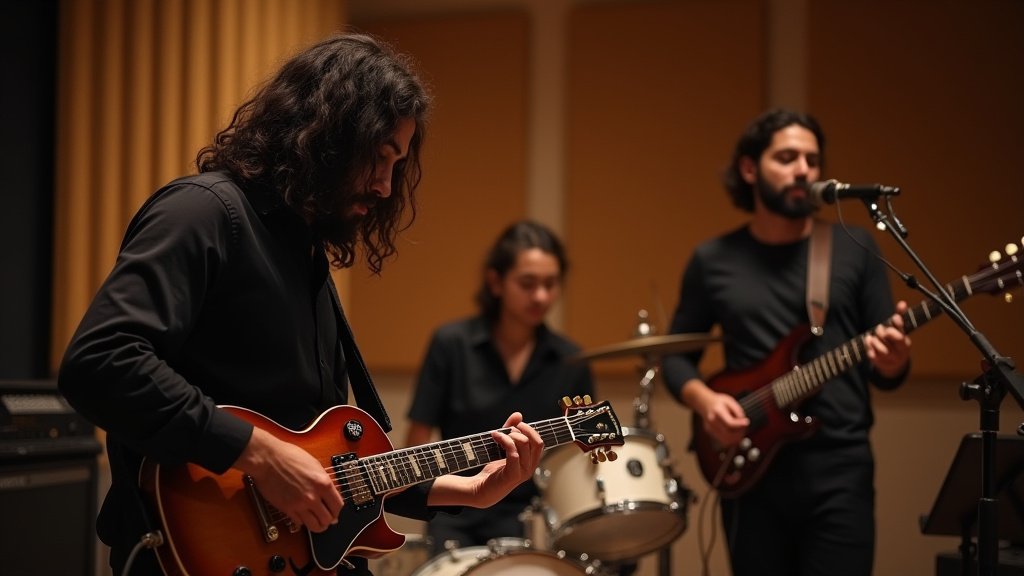
- Minimalist Approach: The trio restricts its soundscape to electric guitar, bass, and drums, demanding higher technical proficiency and tighter interplay to evoke the lushness of tropical music.
- Genre Synthesis: ‘Canto’ acts as a bridge between the jazz-improvisation framework and the historical DNA of Peruvian tropical music, specifically focusing on the legacy of the Amazonian basin.
- Authenticity vs. Innovation: The album serves as both a preservation tool for traditional Peruvian tropical melodies and a modern laboratory for jazz-fusion evolution.
The Architecture of Amazonian Sound
The title ‘Canto’—Spanish for ‘song’ or ‘chant’—is ironically apt for an instrumental project. By removing the vocalist, Oriente Trío forces the instruments to take on the role of the human voice. In the context of Peruvian tropical music, particularly the cumbia amazónica subgenre, the electric guitar has historically held this primary role, mimicking the cadence, inflection, and emotional resonance of a singer.
On this third record, the band leans heavily into this legacy. The guitar work throughout the album is not merely melodic; it is narrative. Listeners familiar with the classic Peruvian psychedelic cumbia movement of the 1970s will recognize the interplay between the delay-heavy, reverb-soaked guitar lines and the rhythmic bedrock provided by the bass and drums. However, where the pioneers of the 70s used these sounds to create a trance-like dance environment, Oriente Trío uses them to create a chamber-jazz experience. The restraint shown by the drummer and bassist is palpable; they provide a foundation that is sophisticated rather than frantic, allowing the lead guitar to weave complex tapestries that honor the original compositions while pushing them into new, improvisational territories.
The Jazz-Tropical Synthesis
One of the most compelling aspects of ‘Canto’ is its refusal to fall into the tropes of Latin jazz. Often, projects attempting to fuse tropical rhythms with jazz end up diluting the intensity of the former or the complexity of the latter. Oriente Trío avoids this pitfall by treating the tropical rhythm section—typically characterized by polyrhythms and heavy percussion—as a structural jazz chart. The trio explores how a song can ‘swing’ while maintaining the distinct syncopation of the Andes and the Amazon.
This synthesis provides a secondary angle for musicologists: how does one translate the layered percussion of a typical tropical orchestra into a single drum kit? The answer, as heard on tracks throughout ‘Canto’, is through an intelligent allocation of sonic space. The drummer does not attempt to replicate a full percussion section; instead, they capture the feeling of the rhythm, leaving gaps that the guitar fills with texture. This creates a breathing, organic sound that feels deeply rooted in tradition yet unmistakably modern.
Cultural Preservation Through Reinterpretation
Beyond the musical technique, ‘Canto’ represents a critical act of cultural preservation. As digital production tools make it easier to create polished, generic tropical pop, Oriente Trío champions the ‘analog’ mindset. By revisiting these instrumental traditions, the trio ensures that the specific dialects of Peruvian music—the unique scales, the specific delay settings of the chicha guitar, and the syncopation of the coast and the jungle—remain part of the contemporary conversation.
This is not music for a playlist in the background; it is a document of heritage. The album invites the listener to engage with the history of the music, effectively acting as a curator for the next generation of Peruvian musicians who are looking to connect their work with the past without becoming tethered to it. The trio successfully demonstrates that ‘tradition’ is not a stagnant museum piece, but a living, breathing entity that evolves when played by musicians who understand its heartbeat.
FAQ: People Also Ask
Who is Oriente Trío?
Oriente Trío is a prominent Peruvian jazz ensemble known for their minimalist approach to music, typically consisting of electric guitar, bass, and drums. They are celebrated for blending jazz improvisation with traditional Peruvian tropical sounds.
What is the significance of the album ‘Canto’?
‘Canto’ is the trio’s third album. It is significant for its commitment to stripping down complex tropical music heritage to its absolute essentials, highlighting the technical and emotional capabilities of the three-piece format.
How does the guitar function in this trio?
In Oriente Trío, the electric guitar serves as the lead ‘voice.’ Drawing heavily from the cumbia amazónica tradition, the guitar utilizes specific pedal effects and phrasing to emulate the melody and cadence of a human singer, effectively acting as the ensemble’s narrator.
What genre of music is ‘Canto’?
The album is best described as a fusion of Peruvian tropical music (including cumbia and chicha influences) and modern jazz, played within a rock-influenced instrumental trio format.