
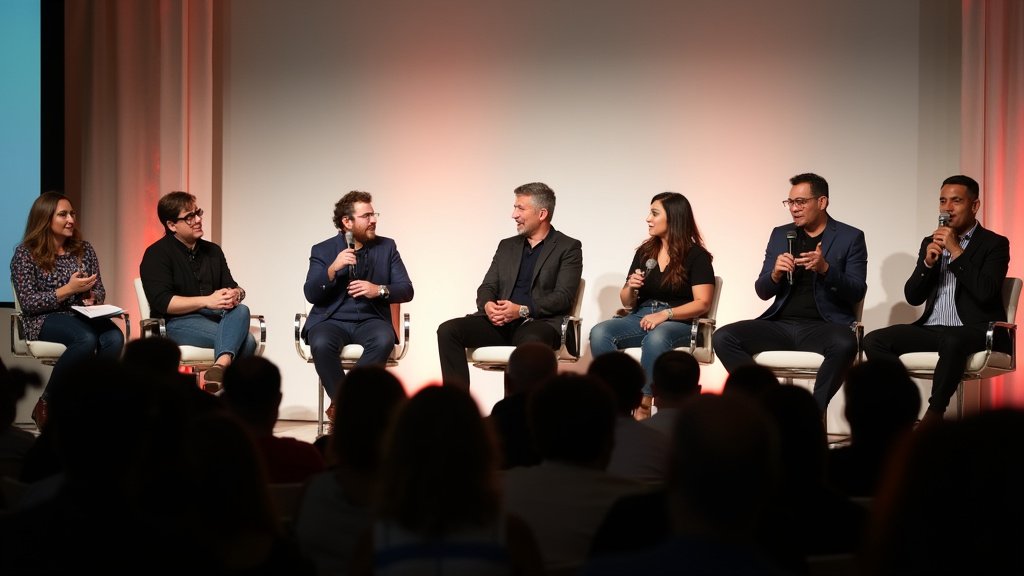
Billboard Latin Music Week 2026 has officially descended upon Miami, transforming the coastal city into the epicenter of the global music industry. As the most anticipated event of the calendar year, the 2026 iteration arrives at a pivotal moment: Latin music has effectively shed the ‘niche’ label, solidifying its status as a primary driver of global pop culture and streaming consumption. This year’s panels are not merely celebrating past successes but are aggressively dissecting the infrastructure required to sustain this unprecedented expansion into non-Spanish speaking markets.
Key Highlights
- Global Infrastructure: Panels are focusing on the ‘exportability’ of Latin artists, moving beyond traditional touring to establish year-round engagement in Asian and European markets.
- Data-First Audience Building: Industry executives are revealing new proprietary metrics for tracking fan loyalty that go beyond simple streaming numbers, emphasizing community retention.
- Regional Fusion Strategies: A critical shift toward mixing regional Mexican, Argentine trap, and traditional Caribbean sounds is being highlighted as the ‘2026 Sound’ to dominate charts.
- Monetization Beyond Streaming: Workshops are dedicating significant time to diversifying revenue through brand partnerships and localized digital merchandising.
Decoding the Global Latin Music Surge
The narrative surrounding the 2026 iteration of Billboard Latin Music Week is distinct from previous years. Where 2023 and 2024 were defined by the explosive growth of Reggaeton, 2026 is defined by consolidation and structural evolution. The panels currently underway at the Miami convention center reflect an industry that has moved past the ‘gold rush’ phase and entered a period of disciplined, data-driven empire building. The overarching theme for this year is the transition from ‘crossover’—the concept of a Latin artist trying to break into the American market—to ‘total market integration,’ where the distinction between a Latin release and a global pop release has effectively evaporated.
The Data-Driven Fanbase Revolution
One of the most intense sessions at this year’s event involved the intersection of big data and fanbase management. Industry experts are presenting findings that suggest current streaming numbers, while impressive, are a poor indicator of long-term career viability. The panels are pushing for a new ‘Engagement Index.’ This metric weighs social sentiment, ticket sales, and direct-to-consumer digital interaction as more valuable than passive playlisting.
‘We are moving away from the era of the one-hit algorithmic wonder,’ noted one executive during the opening session. ‘The focus for 2026 is community depth. If an artist has 50 million monthly listeners but cannot sell out a 5,000-capacity venue in a secondary market, the current business model is failing them.’ This philosophy is forcing labels to rethink how they invest in artist development, prioritizing consistent, high-affinity fanbases over the volatile viral track.
The Economic Impact of Regional Diversification
Historically, Latin music marketing was largely centered on a homogenous sound profile. In 2026, the data from Billboard’s panels suggests a massive pivot. We are witnessing the ‘Regionalization of the Mainstream.’ This includes the massive, surging popularity of Regional Mexican music, which is currently seeing a 40% year-over-year growth in licensing revenue.
The economic implications are vast. Investors are no longer looking at Latin music as a singular category but as a portfolio of distinct sub-genres, each with its own local economic engine. Panels focused on ‘Emerging Market Dynamics’ are exploring how to monetize these regional trends without ‘diluting’ the cultural authenticity that made them successful in the first place. This represents a delicate balancing act for major labels and independent distributors alike.
Technology: The Silent Partner in Growth
Technological integration is the silent force driving this week’s discussions. From AI-assisted production workflows that allow artists to localize their lyrics for different regional markets without losing the original tone, to blockchain-based ticketing systems designed to curb the secondary scalping market that has plagued the touring industry, technology is everywhere.
The 2026 event is effectively a showcase for how technology can bridge the gap between cultural intimacy and global scalability. For the independent artist, this means access to tools that were previously the exclusive domain of major label marketing departments. For the consumer, it promises a more seamless, personalized, and constant connection to their favorite artists. As the week progresses, we expect to see more partnerships announced between major music entities and tech startups specializing in fan-engagement analytics.
FAQ: People Also Ask
Q: Why is Miami the permanent home for Billboard Latin Music Week?
A: Miami serves as the geographic and cultural bridge between North America, the Caribbean, and Latin America. Its infrastructure as a hub for record labels, tour promoters, and media conglomerates makes it the only logical logistical choice for the industry’s annual summit.
Q: How is ‘Regional Mexican’ music impacting global charts in 2026?
A: Regional Mexican music has evolved into a global powerhouse, shifting from niche domestic appeal to topping international charts. Its growth is driven by social media viral cycles, deep cultural pride, and massive diaspora consumption, leading to record-breaking touring revenues.
Q: Are there any major, single-person panels headlining this year?
A: While Billboard Latin Music Week is industry-focused, it heavily features Q&A sessions with top-tier producers and artists. This year emphasizes behind-the-scenes architects—the producers, talent managers, and marketing heads—rather than just the performers themselves, highlighting the importance of the business side.
Q: What is the main trend for Latin music in 2026?
A: The main trend is ‘Genre Fluidity.’ Artists are increasingly blending traditional sounds (bolero, cumbia, vallenato) with contemporary global pop and electronic beats, making the music more accessible to non-Spanish speakers while keeping the core Latin audience engaged.