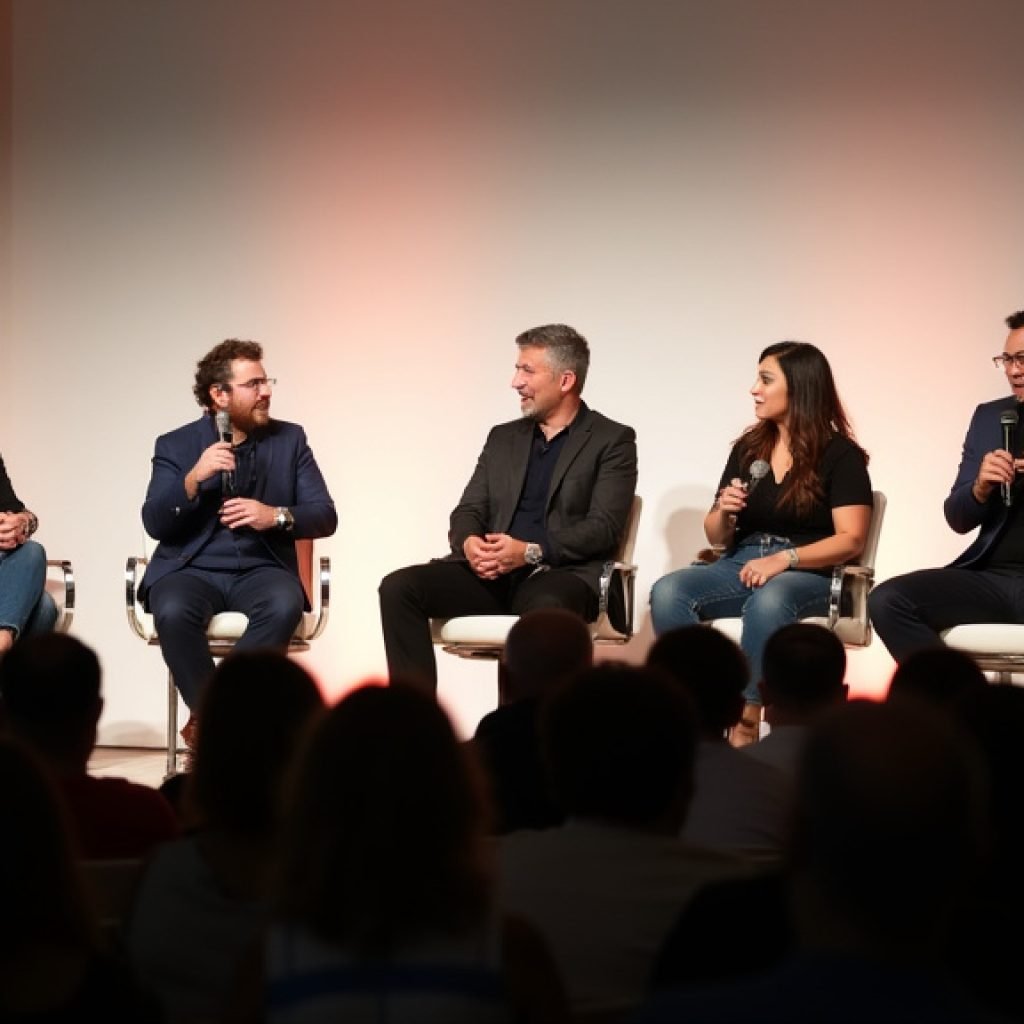
Billboard Latin Music Week 2026 has officially commenced in Miami, marking a pivotal moment where the global surge of Spanish-language music meets the technical infrastructure of the modern music business. As industry leaders, producers, and creative forces converge on South Florida, the narrative is shifting from ‘crossover’ potential to ‘global dominance,’ with data and authentic storytelling serving as the twin engines of this new era.
Key Highlights
- Global Dominance: Panels confirmed that Spanish-language music is no longer a niche market but a primary driver of global streaming consumption, surpassing traditional language barriers.
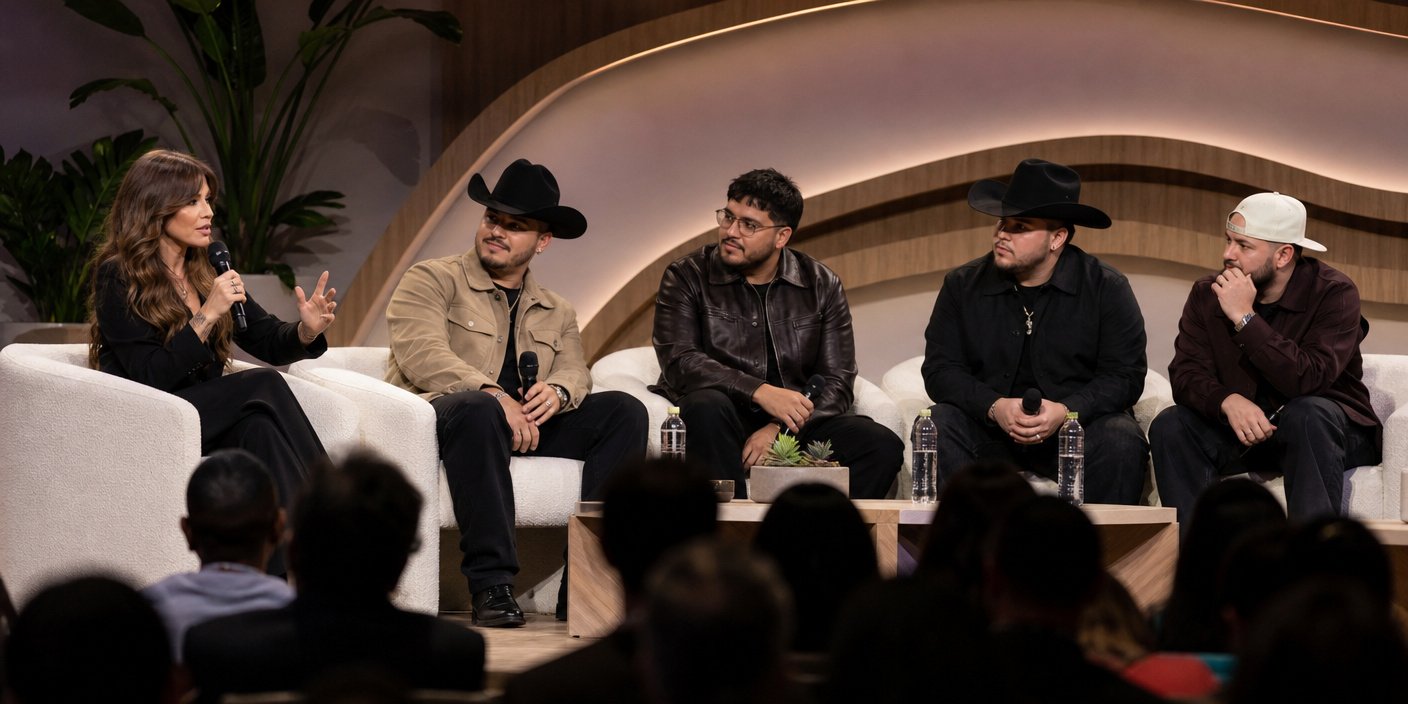
- The Frontera Effect: A deep dive into Grupo Frontera’s meteoric rise served as a case study for the massive impact of regional Mexican music blending with contemporary pop production.
- Songwriting Integrity: Kany García led vital discussions on the preservation of artistic vulnerability and the art of storytelling in an algorithmic-heavy streaming landscape.
- Miami as Hub: The 2026 edition reaffirms Miami’s status as the undisputed logistical and cultural headquarters for the Latin music industry, connecting talent from Latin America directly to the U.S. and European markets.
The Strategic Blueprint: Navigating the 2026 Latin Wave
Billboard Latin Music Week 2026 represents more than just a gathering of stars; it is an analytical summit that dissects the mechanical and cultural shifts defining the current era. This year’s programming is heavily weighted toward understanding how the ‘Latin’ tag is effectively dissolving, replaced by a global standard where Spanish-language tracks dominate charts from Tokyo to London. The industry is no longer asking if Latin music can travel; it is analyzing how fast the infrastructure can scale to support this relentless demand.
The Data-Driven Evolution of Sound
One of the most compelling discussions at this year’s summit revolved around the changing nature of genre classification. Industry veterans noted that the 2026 landscape is defined by ‘hybridization.’ For instance, the panel featuring Grupo Frontera highlighted how regional traditions are being seamlessly integrated with urban and electronic beats to capture wider demographics. This is not just artistic experimentation; it is a calculated effort to optimize for cross-genre playlists, which current consumption data shows is the primary vehicle for discovery. The experts on the panel emphasized that for artists in 2026, the ‘authenticity’ of the sound is measured by its adaptability across different listening environments—from the club to the morning commute.
The Songwriter’s Renaissance
While production trends dominate the conversation, the session led by Kany García brought a necessary focus back to the foundational element of the industry: the song. In an age dominated by short-form video clips and viral hooks, García argued for the longevity of the ‘album-focused’ approach. The discussion touched upon the tension between the immediate needs of streaming platforms and the long-term career viability of an artist. It became clear that in 2026, the industry is seeing a dichotomy: while TikTok-friendly hooks drive discovery, it is the narrative depth of the songwriters that builds the loyal fanbases necessary for sustained touring and merchandising revenue.
The Infrastructure of Success in Miami
Miami serves as the perfect backdrop for this discourse. The city’s unique position as a gateway between North and South America is being leveraged more effectively than ever. We are seeing a shift where labels are moving permanent A&R and digital marketing offices to Miami, signaling that the ‘remote’ era of artist management is being replaced by localized, hyper-engaged hubs. The panels discussing ‘The State of Spanish-Language Music’ highlighted that this physical presence is crucial for networking, spontaneous collaboration, and managing the complexities of international rights management, which remains one of the biggest hurdles for rapidly rising independent artists.
Future Predictions: What’s Next?
Looking beyond 2026, the consensus among attendees points toward increased integration of AI-assisted production and marketing, though not without skepticism. The panel debates suggest a future where the human element—the specific voice, the specific cultural pain point, the specific regional story—becomes the most valuable commodity. As technology makes music creation more accessible, the ‘premium’ tier of the industry will be defined by those who can successfully synthesize the global reach of streaming with the intimacy of a live performance.
FAQ: People Also Ask
Q: What is the primary focus of Billboard Latin Music Week 2026?
A: The 2026 edition focuses on the intersection of global streaming growth, the evolution of regional musical genres into mainstream pop, and the logistical challenges of managing an increasingly borderless music industry from the hub of Miami.
Q: Why is Miami considered the center of this event?
A: Miami functions as the strategic gateway between Latin American markets and U.S./Global music infrastructure, making it the ideal location for industry leaders to facilitate cross-border deals and collaborations.
Q: Who are some of the key artists speaking at this year’s panels?
A: This year’s lineup features major voices such as Grupo Frontera, known for their regional influence, and Kany García, who provides critical insights into songwriting and creative longevity.
Q: Is Latin music still considered a ‘niche’ market in the global industry?
A: No. The panels at the 2026 event explicitly discuss how Latin music has moved past the ‘niche’ classification, acting instead as a primary driver of global music consumption and streaming growth.
Q: How does this event differ from past years?
A: The 2026 iteration places a much stronger emphasis on the intersection of data-driven streaming optimization and the preservation of artistic storytelling, moving away from purely promotional showcases to deep analytical dives.