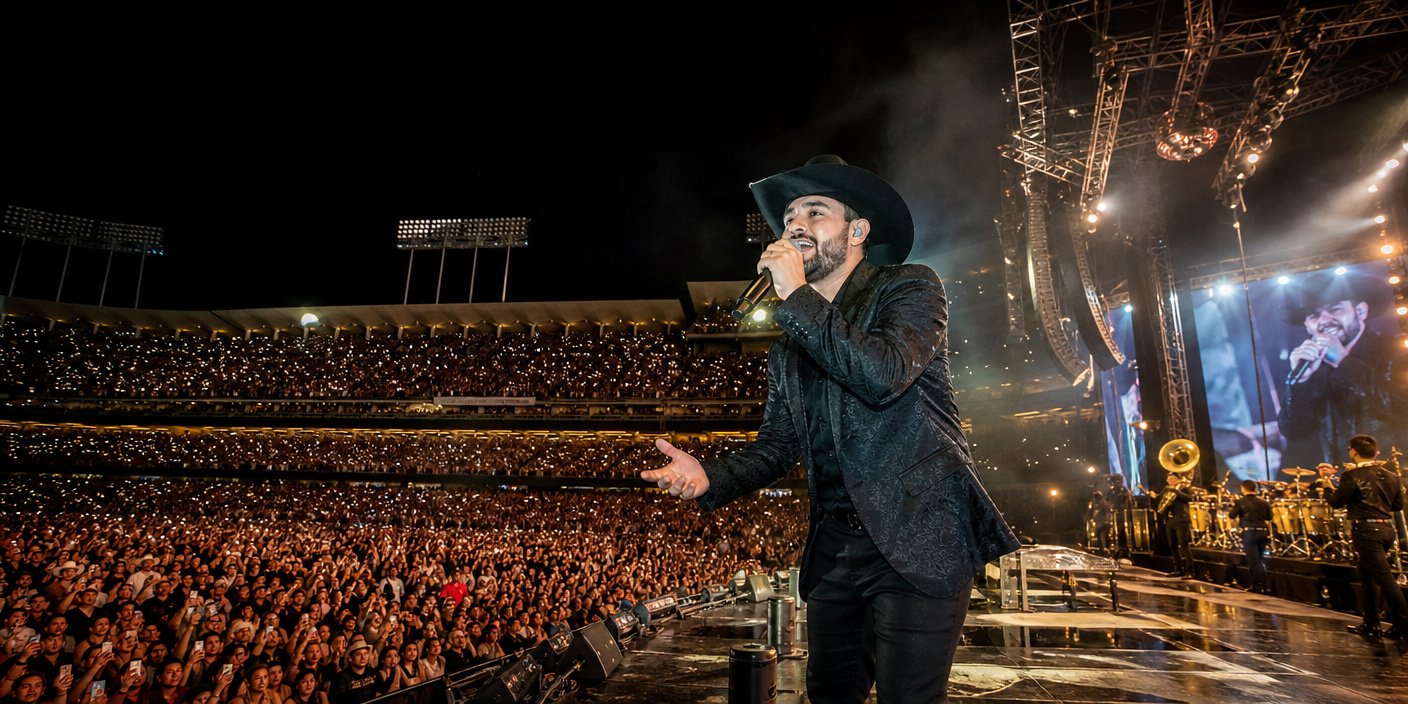
The roar emanating from Dodger Stadium during Fuerza Regida’s recent headlining performance was more than just the sound of a concert; it was the sonic manifestation of a cultural paradigm shift. For decades, the iconic Los Angeles venue, synonymous with baseball history, has hosted world-class talent, but rarely has it witnessed a moment that so perfectly encapsulates the meteoric rise of regional Mexican music in the U.S. mainstream. Fronted by the charismatic Jesús Ortiz Paz (JOP), the group turned the stadium into a massive celebration of Mexican American identity, effectively bridging the gap between traditional corridos and the modern, globalized sound of the 21st century.
Key Highlights
- Historic Milestone: Fuerza Regida’s appearance at Dodger Stadium marks a definitive peak for regional Mexican artists, proving the genre’s viability in the world’s largest touring venues.
- Cultural Significance: The concert underscored the deep connection between the group’s music and the bicultural experience of millions of Mexican Americans, transforming a massive stadium into an intimate community space.
- Genre Dominance: The performance reflects the broader data-driven trend of regional Mexican music—specifically corrido tumbado—consistently dominating global streaming charts and ticket sales, challenging long-standing American music industry hierarchies.
The Architecture of a Cultural Phenomenon
The ascent of Fuerza Regida is not an overnight success story, nor is it a fluke of digital algorithms. It is the result of a deliberate, decade-long cultivation of a sound that resonates deeply with the experiences of first and second-generation Mexican Americans. Historically, regional Mexican music—comprising banda, mariachi, and norteño—was relegated to specialized radio stations and regional touring circuits. However, under the creative stewardship of JOP and the rigorous support of their label, Rancho Humilde, Fuerza Regida successfully updated this formula.
By integrating the storytelling tradition of the classic corrido (ballad) with modern trap beats and high-energy production, they have created a sub-genre that feels both nostalgic and refreshingly contemporary. This ‘corrido tumbado’ evolution has been the primary vehicle for their growth, allowing them to capture a younger, diverse demographic that finds as much value in their music as they do in hip-hop or pop. When they took the stage at Dodger Stadium, they weren’t just playing music; they were validating an entire lifestyle and aesthetic that has long been sidelined by mainstream cultural gatekeepers.
The Dodger Stadium Effect
Performing at Dodger Stadium is a ritual of passage for the elite tier of global entertainment. By securing this venue, Fuerza Regida has effectively rewritten the rules of what constitutes a ‘mainstream’ headliner. This is no longer about niche appeal; this is about mass-market dominance. Industry analysts note that for a regional Mexican group to command this space, it requires a massive, hyper-loyal fanbase that buys tickets at scale and drives merchandise revenue—factors that the group has mastered. This performance serves as a benchmark, signaling to venues across the country that regional Mexican acts are now the equivalent of A-list pop stars.
JOP and the Evolution of the Modern Icon
At the center of this movement is Jesús Ortiz Paz, whose transition from a musician to a cultural mogul has been instrumental in the group’s trajectory. JOP understands the modern digital landscape better than most, leveraging social media to build direct, unfiltered lines of communication with his fans. He represents the duality of the Mexican American dream: grounded in the history of the immigrant experience while simultaneously engaging with the aspirational, luxury-driven culture of modern Los Angeles.
His stage presence is not that of a traditional artist; it is that of a modern creator who understands that visibility, controversy, and constant engagement are the currencies of the digital age. This, combined with an undeniable musicality, has allowed him to transcend the barriers that kept previous generations of musicians in regional silos. The concert was a visual testament to this, with high-end production value that mirrored the spectacle of any major stadium tour while maintaining the raw energy of a backyard party.
Economic Impact and Future Trajectories
The economic implications of this Dodger Stadium takeover are staggering. Regional Mexican music is currently one of the fastest-growing genres globally, with streaming data from platforms like Spotify and Apple Music consistently showing massive spikes in Latin music consumption. By proving that a Mexican American group can headline a major U.S. stadium, Fuerza Regida has opened the door for a wave of other artists to negotiate better terms, secure higher-profile festival slots, and attract larger sponsorship deals.
Looking forward, the question is not whether they can sustain this momentum, but how they will evolve it. The industry is already looking at their touring strategy as a blueprint for the ‘Latinization’ of the U.S. live music circuit. As they move beyond this milestone, we can expect to see more collaboration between Mexican regional artists and global pop/hip-hop icons, further blending genres and broadening the appeal of the music. The ‘Mexican American dream’ that Fuerza Regida represents is one of integration, pride, and massive, undeniable success—and after their night at Dodger Stadium, it is clear that they are just getting started.
FAQ: People Also Ask
Q: Why was the Fuerza Regida Dodger Stadium show considered a historic milestone?
A: It represents the definitive shift of regional Mexican music from a niche radio market to the top tier of stadium-level touring, proving that the genre commands the same mass-market appeal as established pop and hip-hop acts.
Q: What is ‘corrido tumbado’ and how does it relate to Fuerza Regida?
A: Corrido tumbado is a modern evolution of the traditional Mexican ballad, incorporating elements of trap and hip-hop production. Fuerza Regida is one of the primary pioneers and popularizers of this sound, which has driven their massive surge in global popularity.
Q: How does the success of Fuerza Regida impact the music industry?
A: Their success forces the music industry to rethink traditional booking and marketing strategies. It demonstrates that there is a massive, underserved, and highly profitable market for regional Mexican music that is no longer content with playing smaller venues or being restricted to regional festival stages.