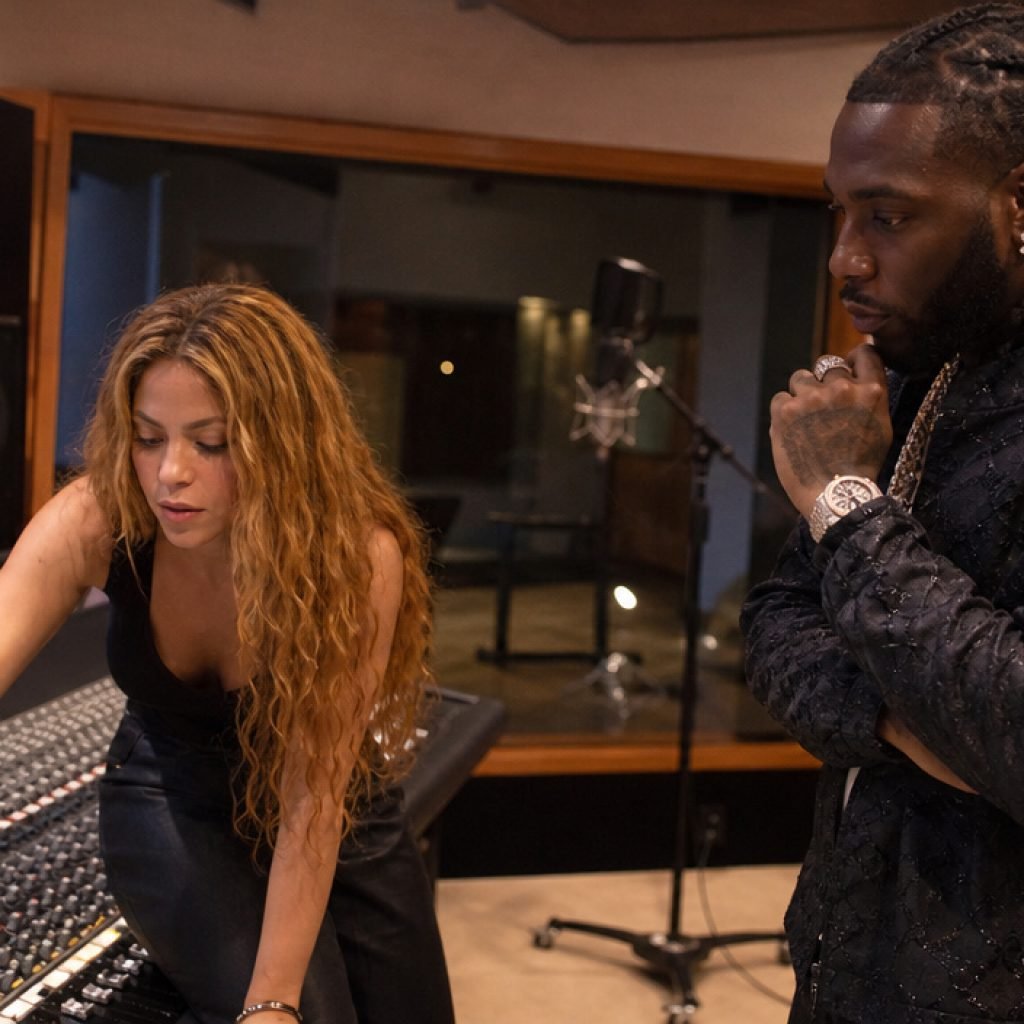
The global music landscape has witnessed few voices as distinct as Elyanna’s. The Palestinian-Chilean singer-songwriter, who has rapidly become a bridge between the MENA (Middle East and North Africa) region and the Western pop industry, has just released her latest single, ‘BOSA.’ Produced by the legendary Nadir Khayat—better known globally as RedOne—the track is not merely a sonic experiment; it is a calculated subversion of traditional gender narratives, wrapped in an infectious, dance-oriented soundscape that pays homage to the vibrant energy of the mid-2000s.
A Collaborator of Global Magnitude
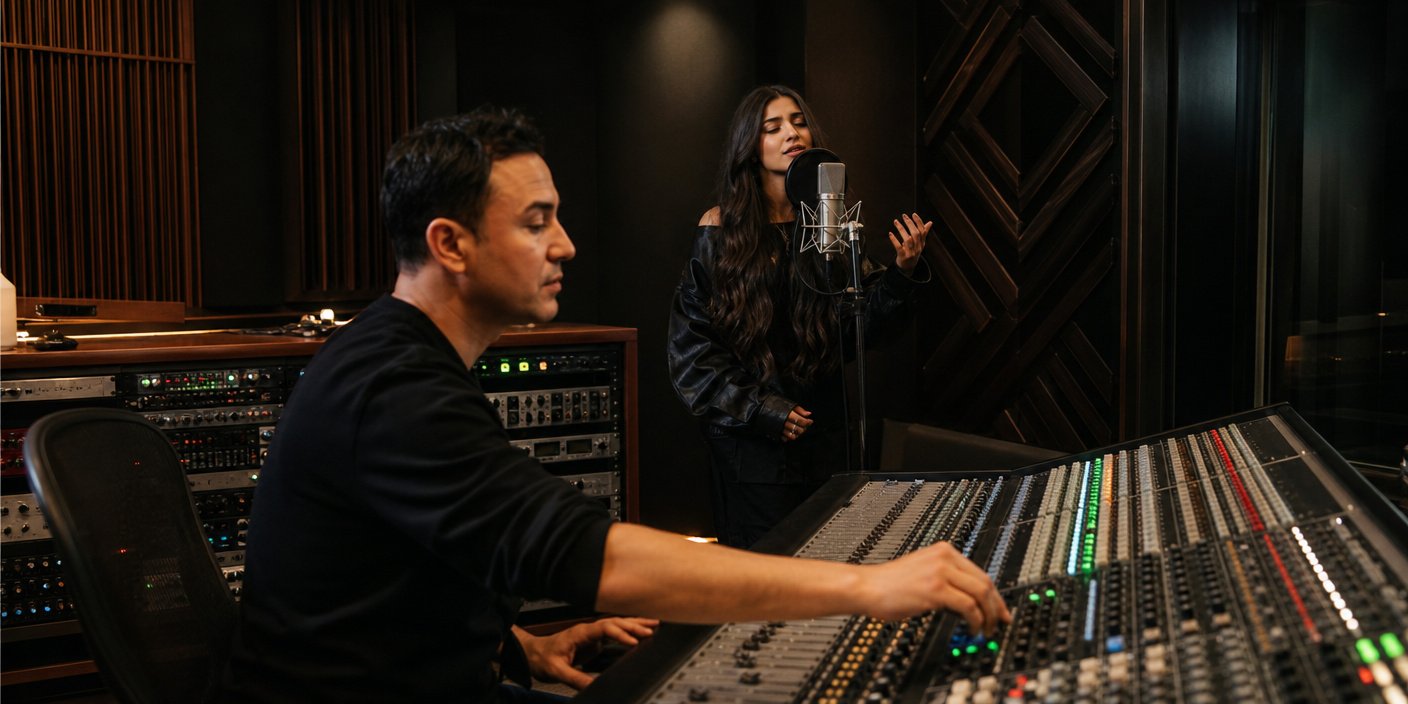
The involvement of RedOne in ‘BOSA’ elevates the project from a standard pop release to a high-fidelity cultural statement. RedOne, whose fingerprints are on some of the most enduring pop hits of the 21st century, brings a signature ‘sun-soaked’ polish to Elyanna’s vision. For listeners, the production feels nostalgic yet invigorated, pulling from the high-octane dance-pop era of the mid-2000s while maintaining the grounded, organic textures that define Elyanna’s artistry. By pairing RedOne’s studio expertise with Elyanna’s multilingual lyrical prowess, ‘BOSA’ functions as a masterclass in modern music fusion, effectively blending Latin rhythms with Arabic vocal flourishes in a way that feels organic rather than performative.
Subverting the Script: The Lyrical Edge
Beyond the pulsating beat, the core of ‘BOSA’ lies in its thematic exploration of gender roles. Elyanna utilizes sarcasm as a primary tool to dismantle patriarchal expectations. In an era where female artists are often pressured to adhere to specific archetypes—whether the ‘damsel,’ the ‘victim,’ or the ‘rebel’—Elyanna chooses a more complex route: irony. The lyrics of ‘BOSA’ serve as a commentary on the absurdity of modern dating dynamics and the antiquated gender scripts that continue to dominate both Eastern and Western social discourse. By singing about these power dynamics with a playful, sharp-tongued delivery, she invites the audience to laugh at the ridiculousness of the expectations placed upon women, rather than simply lamenting them.
This approach mirrors the ‘subversive’ nature of her career at large. Born in Chile and raised in the Palestinian diaspora, Elyanna has often operated outside the rigid boundaries of regional music industries. She does not just fit into the ‘Arab-Pop’ or ‘Latin-Pop’ boxes; she exists in the intersection. ‘BOSA’ takes this intersectionality a step further by applying it to the sociopolitical context of gender. The song does not claim to solve these issues, but rather, by highlighting them through danceable pop, it brings these conversations into the mainstream club environment.
The Sonic Architecture of ‘BOSA’
Musically, the song is a triumph of rhythmic layering. The arrangement features the percussive hallmarks of reggaeton, which are then softened and redirected by Arabic melodies. This specific blend is not accidental. It reflects the globalization of pop music where the ‘Latin’ sound is no longer relegated to one language but has become a sonic framework that can house any cultural expression. RedOne’s production choices—including the use of bright synth lines and a driving, four-on-the-floor beat—create a sense of urgency. The track is built for the festival circuit, designed to be heard in spaces where communal joy and individual expression intersect. The mid-2000s influence is palpable in the song’s bridge, which utilizes a familiar, glitzy production style that feels like a nostalgic nod to the golden age of radio pop, updated for the streaming era.
Cultural Impact and Future Outlook
As Elyanna continues to release music under Universal Arabic Music, ‘BOSA’ stands as a testament to her creative independence. She is proving that an artist can maintain a high-fashion, high-concept visual identity while simultaneously engaging in meaningful, often difficult, dialogues about culture and gender. The song is not just a ‘bop’—though it is undoubtedly that—but a calculated piece of intellectual property that forces the listener to confront the persona behind the music. As the track gains traction across global streaming platforms, it solidifies the fact that the ‘Arabic-Pop’ revolution is no longer an emerging trend; it is a permanent fixture in the global music lexicon. With ‘BOSA,’ Elyanna has provided a blueprint for how future artists can blend deep-seated cultural critiques with the inescapable lure of dance-pop.
FAQ: People Also Ask
Who is the producer behind Elyanna’s ‘BOSA’?
‘BOSA’ is produced by Nadir Khayat, widely known as RedOne. He is a multi-Grammy Award-winning producer famous for his pivotal work in shaping the sound of late 2000s pop, particularly his extensive collaborations with Lady Gaga.
What are the main themes of ‘BOSA’?
The single centers on themes of gender role subversion. Elyanna uses sarcastic lyrics to critique societal expectations placed on women in relationships, offering a sharp, modern perspective on traditional dating dynamics.
How would you describe the musical style of ‘BOSA’?
‘BOSA’ is a Latin-Arabic fusion track. It utilizes a ‘sun-soaked’ soundscape with heavy influences from mid-2000s dance-pop, characterized by rhythmic, reggaeton-inspired beats blended with distinct Arabic melodic elements.
Which label is Elyanna signed to?
Elyanna is signed to Universal Arabic Music, a label that has been instrumental in positioning her as a leading voice in the crossover between MENA and Western music markets.