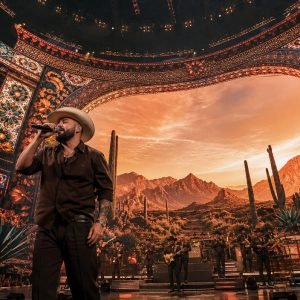

Destiny Navaira, a prominent force in the Tejano music industry, has officially announced a significant shift in her artistic direction, transitioning from her celebrated roots in Tejano to the world of Christian music. Known for her powerful vocals and deep-seated connection to her musical heritage, Navaira’s pivot marks a transformative moment not only for her personal career but also for the regional Latin music scene. This evolution is being channeled into an upcoming musical project, serving as the latest milestone in a career that has consistently navigated the intersection of tradition and modern innovation. For many fans and industry observers, this announcement represents a deliberate, soulful evolution rather than a departure, as the artist seeks to integrate her faith more deeply into her professional creative output.
Key Highlights
- Destiny Navaira, a powerhouse in the Tejano scene and a Latin Grammy nominee, is officially transitioning her musical path to Christian music.
- The decision stems from a deeply personal spiritual journey, reflecting the artist’s desire to align her public platform with her evolving faith.
- This shift is expected to culminate in an upcoming album that explores contemporary Christian themes through a Latin musical lens.
- Navaira’s move is part of a growing trend of established Regional Mexican and Tejano artists incorporating spiritual narratives into their discography.
- The transition marks a significant evolution for a performer historically synonymous with the legacy of the late Tejano icon Emilio Navaira.
A New Direction: Faith and Artistic Evolution in the Latin Music Sphere
For artists like Destiny Navaira, the journey through the music industry is often inextricably linked to personal identity. Navaira, whose career has been defined by her success in the Tejano genre, has long been a beacon for younger generations of Latin musicians. However, the announcement of her shift toward Christian music highlights a crucial reality in the modern artist’s life: the need for creative and spiritual alignment. This transition is not merely a change in genre; it is a fundamental shift in the purpose behind the music.
In recent years, the Latin music industry has seen a notable increase in artists exploring Christian themes. This movement is not confined to any single sub-genre but permeates the broader landscape, from pop to regional Mexican. For Navaira, who has already secured her place in music history through high-profile nominations and touring, this pivot provides an opportunity to explore new sonic textures. While Tejano music relies on its accordion-heavy, polka-infused, and brass-driven foundations, Christian music offers a different kind of auditory canvas—one that allows for more experimental instrumentation, ambient textures, and vocal arrangements that prioritize worshipful intimacy over the traditional dance-floor requirements of the Tejano club scene.
The Weight and Wonder of the Navaira Legacy
To understand the significance of this move, one must acknowledge the Navaira name. As the granddaughter of the legendary Emilio Navaira, Destiny has always carried the mantle of Tejano royalty. This pedigree brought with it immense expectations, a challenge she met with poise and undeniable talent. By moving into Christian music, Destiny is not discarding this legacy; she is expanding it.
There is a historical precedent for musicians moving from secular success to faith-based artistry. In many cases, this transition provides the artist with a level of creative freedom that the highly codified structure of the Tejano industry sometimes restricts. In the traditional Tejano market, audiences expect a specific sound—a specific tempo and spirit. By pivoting to the Christian market, Navaira creates a space where her artistic voice can evolve without the pressures of maintaining the status quo of regional dance music. It is a bold move that signals a confidence in her audience’s loyalty, banking on the fact that her fans are invested in her as a person—her growth, her struggles, and her spiritual journey—not just the rhythm of her songs.
The Economic and Cultural Shift
The Christian music market in the United States and Latin America has expanded significantly over the past decade. With the rise of streaming, the barrier to entry for crossover artists has decreased, and the audience for faith-based Spanish-language music has never been larger. Navaira’s entry into this space is strategically timed. She brings with her a massive, pre-existing fan base, which provides an immediate audience for her new, faith-centered work. This isn’t a restart; it is a leverage of her existing brand power.
Industry analysts have noted that the crossover between Regional Mexican music and Christian contemporary music is a growing trend. Artists are finding that their audiences—many of whom are deeply religious—are eager for music that reflects their values. When an artist of Navaira’s caliber makes this move, it validates the genre, potentially encouraging other artists to explore their own spiritual narratives without fear of alienation. It is a symbiotic relationship: the artist gains creative liberation, and the market gains a high-profile, professional-grade talent that brings mainstream production quality to the Christian space.
Anticipating the Upcoming Project
While details on the upcoming album remain focused on its spiritual thematic core, the anticipation among her fanbase is palpable. Navaira has consistently demonstrated a meticulous approach to her craft, from her vocal warm-ups to her stage presence. Fans can expect that same level of rigor applied to this new venture. The transition likely involves a change in production personnel, a shift in songwriting focus, and potentially a new aesthetic direction in her visual branding. This is a comprehensive “reset” that requires careful execution.
Ultimately, Destiny Navaira’s decision to move toward Christian music is a testament to the idea that an artist’s journey is never static. It is a constant process of becoming. Whether she is singing on a Tejano stage or delivering a worship anthem, her voice remains the through-line. As she prepares this next chapter, she is not just changing her setlist; she is inviting her followers to join her in a more profound, personal exploration of what music can mean in the twenty-first century.
FAQ: People Also Ask
1. Is Destiny Navaira leaving Tejano music forever?
Destiny Navaira has described this shift as a pivot and an evolution. While her focus is moving toward Christian music, her history in Tejano is the foundation of her career. Many artists who make such transitions often continue to honor their roots while prioritizing their new creative direction.
2. What inspired Destiny Navaira’s move to Christian music?
Navaira has framed this transition as a personal and spiritual evolution. It is a reflection of her desire to align her professional artistic work with her growing faith, a process that many musicians undergo as they mature in their careers.
3. How will this change affect her upcoming album?
The upcoming album is expected to center on spiritual themes and worship-focused songwriting. While the genre may differ from her previous Tejano work, it will retain her signature vocal style and high production standards.
4. Is this a common trend for Tejano artists?
Yes, there is a growing trend of Latin music artists incorporating faith-based themes into their discography. This shift reflects a broader societal interest in spirituality and allows artists to connect with their fans on a deeper, more personal level.