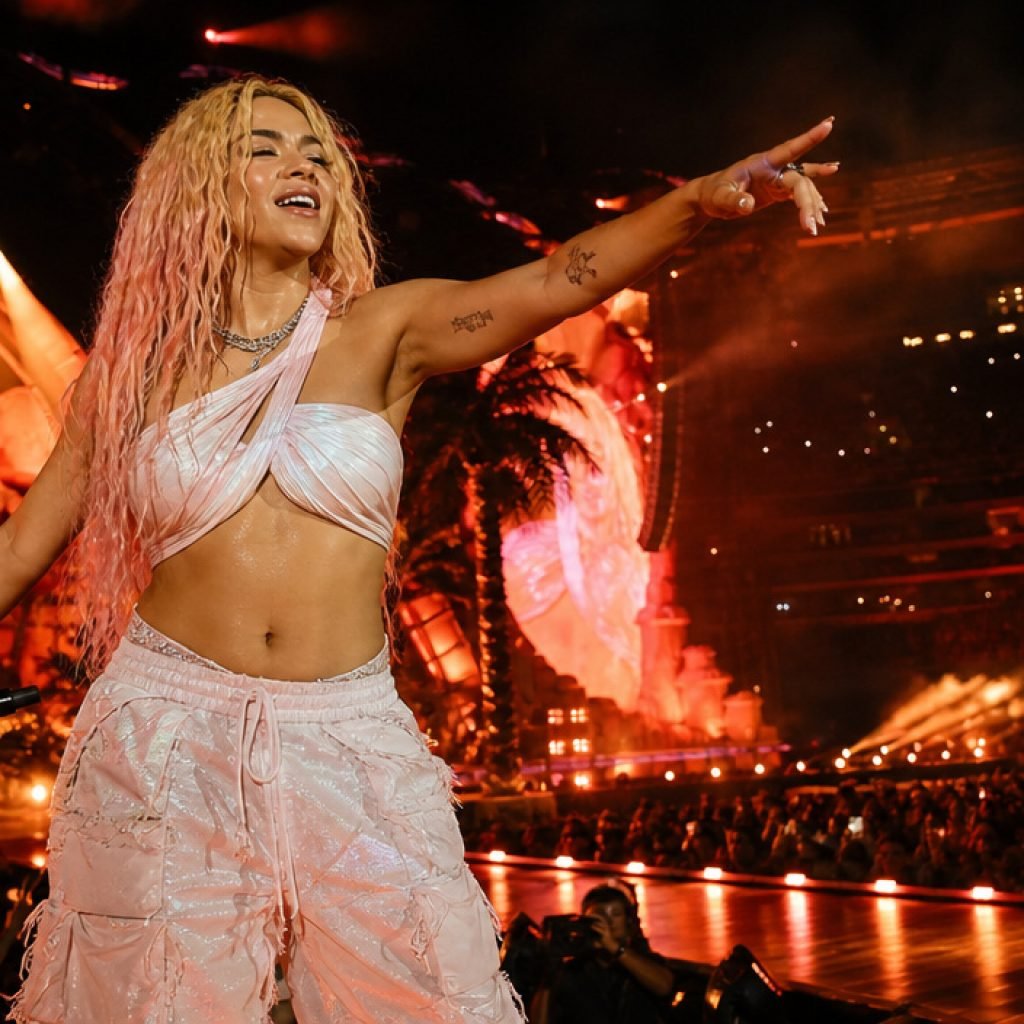
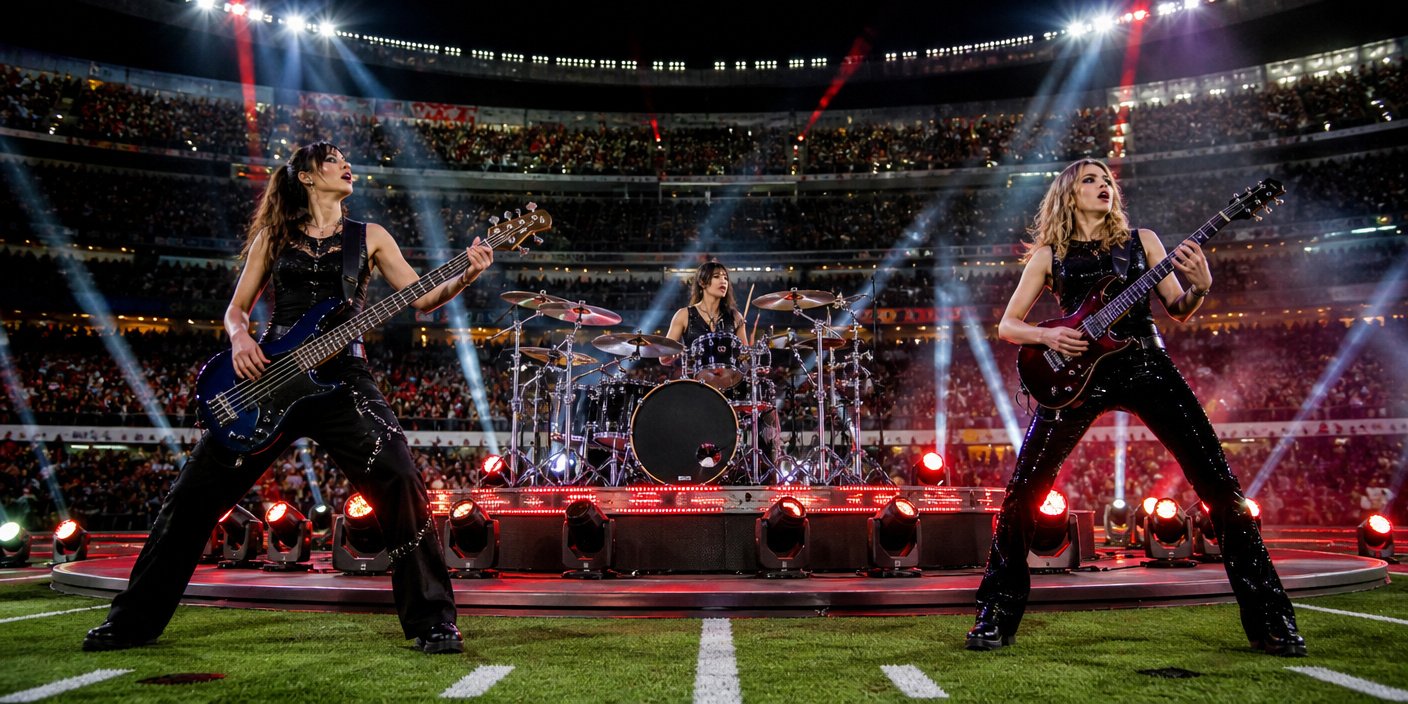
On November 22, 2026, the global stage of professional football witnessed a seismic shift as Mexican rock band The Warning headlined the NFL halftime show in Mexico City. Amidst the high-stakes matchup between the Minnesota Vikings and the San Francisco 49ers, the Monterrey-based trio transformed the halftime interval into an international cultural milestone. By opting for a gritty, high-octane rock performance over the traditional pop-centric spectacles often associated with American halftime shows, the NFL underscored its commitment to integrating local talent and culture into its rapidly expanding international series. The performance served not just as entertainment, but as a symbolic bridge between the fervor of Mexican rock fans and the strategic growth of the NFL south of the border.
Key Highlights
- Headlining Act: Monterrey rock trio The Warning took the stage at halftime, marking a significant departure from standard NFL halftime entertainment.
- Game Context: The performance occurred during the Minnesota Vikings vs. San Francisco 49ers game on November 22, 2026, at Mexico City’s iconic venue.
- Strategic Shift: The event highlights the NFL’s aggressive strategy to deepen cultural engagement within international markets by featuring local superstars.
- Production Scale: The integration of world-class rock production into an NFL halftime window demonstrated the evolving logistics of international sports-entertainment events.
A New Era of International Sports Entertainment
The decision to feature The Warning during a pivotal NFL clash between the Vikings and the 49ers was more than a scheduling choice; it was a carefully calculated branding move. In recent years, the NFL has sought to shed the perception of being an exclusively American export, instead positioning itself as a global franchise. By inviting Daniela, Paulina, and Alejandra Villarreal to lead the halftime proceedings, the league tapped into an authentic local cultural touchstone, acknowledging that global expansion requires authentic local participation rather than merely importing American celebrity culture.
The Rise of The Warning and the Shift in Halftime Dynamics
For years, the Super Bowl and international NFL halftime slots were dominated by pop, R&B, and hip-hop icons. These choices were often safe, commercially broad, and universally recognizable. However, The Warning’s performance suggests a pivot toward genre-specific authenticity. The band’s rise, fueled by viral success and a relentless touring schedule, reflects a demographic shift in the NFL’s target audience. By showcasing a hard rock band, the NFL acknowledged the diversity of its international fan base—particularly in Mexico, where rock music maintains a profound historical and cultural footprint. This performance was not merely a distraction from the game; it was a high-energy centerpiece that resonated with the intensity of the football match taking place.
Economic and Cultural Integration in Mexico City
The logistics of hosting an NFL game in Mexico City, particularly one involving teams of the stature of the Vikings and the 49ers, are complex. Beyond the surface-level entertainment, this event represented a major economic engine for the region. The influx of international sports tourism, combined with the logistical demands of constructing a temporary stage for The Warning within the constraints of an NFL halftime window, highlights the maturity of the sports infrastructure in Mexico City. The collaboration between local producers and NFL tech crews set a new standard for how international games should be executed, proving that world-class production can be achieved regardless of the venue’s geography.
Analyzing the Vikings vs. 49ers Impact
While the halftime show captured the headlines, the game itself remained the primary draw. The tension between the Minnesota Vikings and the San Francisco 49ers provided the perfect backdrop for a high-intensity rock set. The Warning’s performance helped sustain the crowd’s energy during the intermission, preventing the typical “mid-game slump” often seen in longer international broadcasts. This synchronization between the athleticism on the field and the musical aggression on the stage created a cohesive viewer experience that felt more like a unified event than a series of disjointed segments.
Secondary Angles: Exploring Future Trends
1. The Economic Ripple: The impact of this game extends beyond ticket sales. Local businesses in Mexico City reported a significant spike in revenue, and the halftime show served as a global showcase for Mexican rock talent, potentially opening doors for other regional artists in the international spotlight.
2. The Genre Evolution: As the NFL continues to globalize, we may see a diversification of halftime genres. Following the success of this rock-centric performance, the league may be more inclined to experiment with local regional styles in London, Germany, and Brazil, moving away from the monolithic pop-star model.
3. Production Logistics: The technical execution of a halftime show on international soil is a massive logistical challenge. The success of this event provides a blueprint for future games, emphasizing modular stage setups and partnerships with local staging experts to minimize transit time and maximize production value.
FAQ: People Also Ask
Q: Why was The Warning chosen for the Mexico City halftime show?
A: The Warning was selected for their massive local and growing international popularity, representing the vibrant contemporary rock scene in Mexico, which aligns with the NFL’s goal of creating deeper cultural integration in international host cities.
Q: What NFL teams played in the Mexico City game on November 22, 2026?
A: The game featured a showdown between the Minnesota Vikings and the San Francisco 49ers.
Q: How does this performance impact future NFL halftime shows?
A: This performance signals a potential shift toward localized, genre-diverse entertainment that reflects the host nation’s culture, moving away from the purely American-centric pop-star selection process.
Q: Was the halftime show successful in engaging the international audience?
A: By all metrics, the choice of a high-energy rock band mirrored the intensity of the football game, successfully keeping the stadium atmosphere electrified and garnering significant attention on international media platforms.