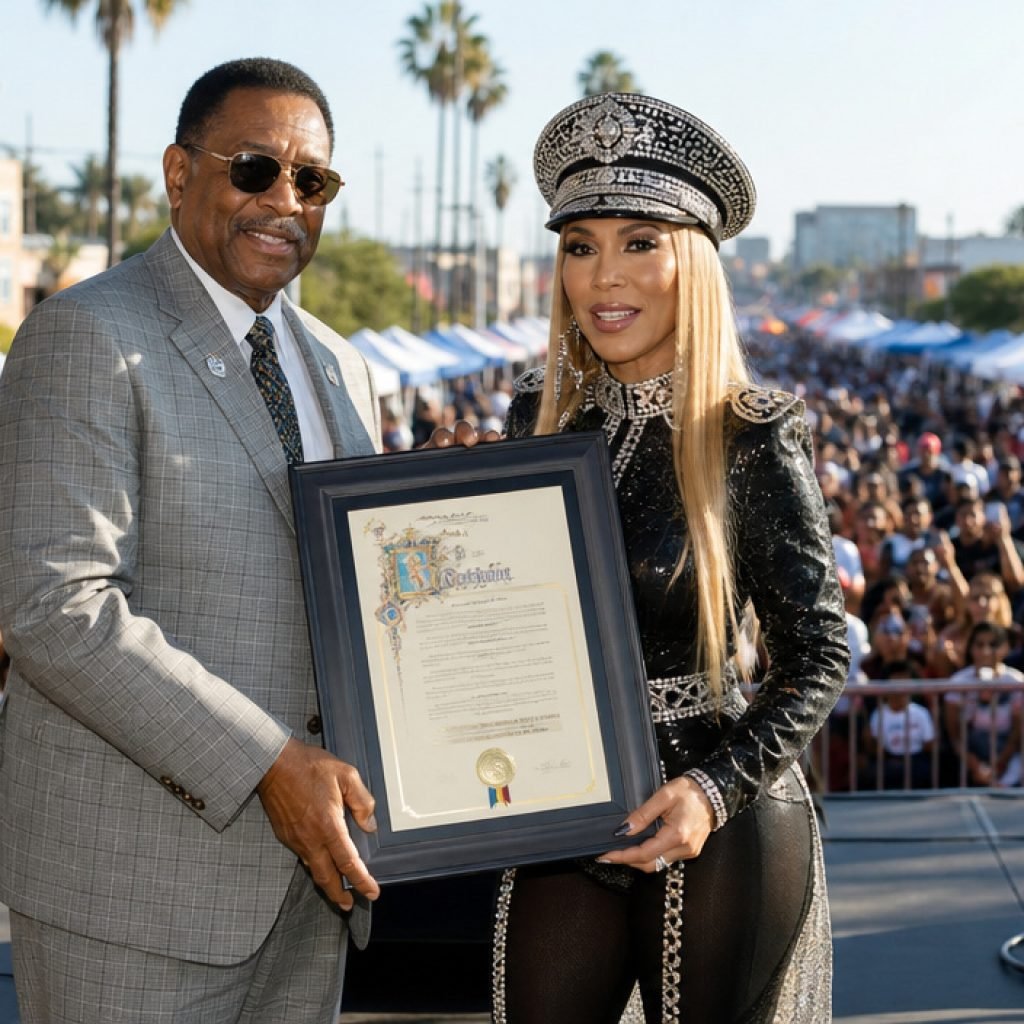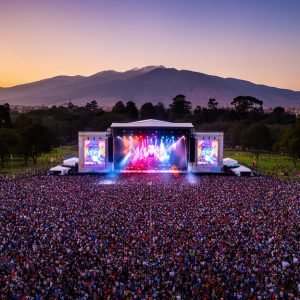
The 6th annual Akron Latin Festival has successfully concluded, firmly establishing itself as a cornerstone event in the region’s cultural calendar. By aligning the festivities with National Hispanic Heritage Month, organizers created more than just a street fair; they facilitated a bridge between tradition and contemporary urban life in Akron, Ohio. This year’s gathering proved that cultural celebrations are not merely about entertainment—they are vital engines for economic stimulation and social cohesion in the Midwest.
Key Highlights
- 6th Annual Milestone: The festival marked its sixth year of operation, showing sustainable growth and deepening community roots since its inception.
- Hispanic Heritage Commemoration: The event was strategically timed to honor National Hispanic Heritage Month, centering the dialogue on cultural contributions.
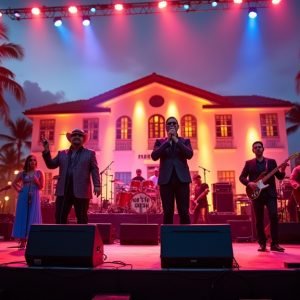
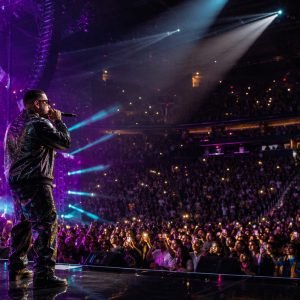
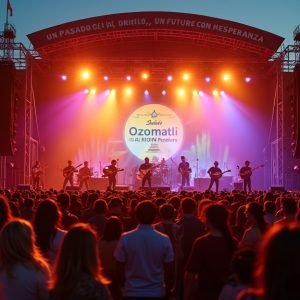
- Multi-Sensory Experience: Attendees experienced a curated showcase of Latin American culinary arts, traditional music, and regional dance forms.
- Community Integration: The festival served as a platform for local entrepreneurs and artists, providing significant exposure for minority-owned businesses in the Akron area.
The Heartbeat of Ohio: Why Akron’s Latin Festival Matters
The Akron Latin Festival has evolved significantly since its debut. While early iterations focused on establishing a footprint, the 2026 edition demonstrated a mature approach to cultural programming. This transition from a simple gathering to a structured festival reflects a broader trend in Midwest cities that are increasingly leveraging diversity to revitalize downtown corridors. By prioritizing authentic representation—from the specific regional origins of the musical acts to the diverse culinary offerings—the festival provides a tangible, high-value experience that resonates with residents and tourists alike.
The Cultural Renaissance of Downtown Akron
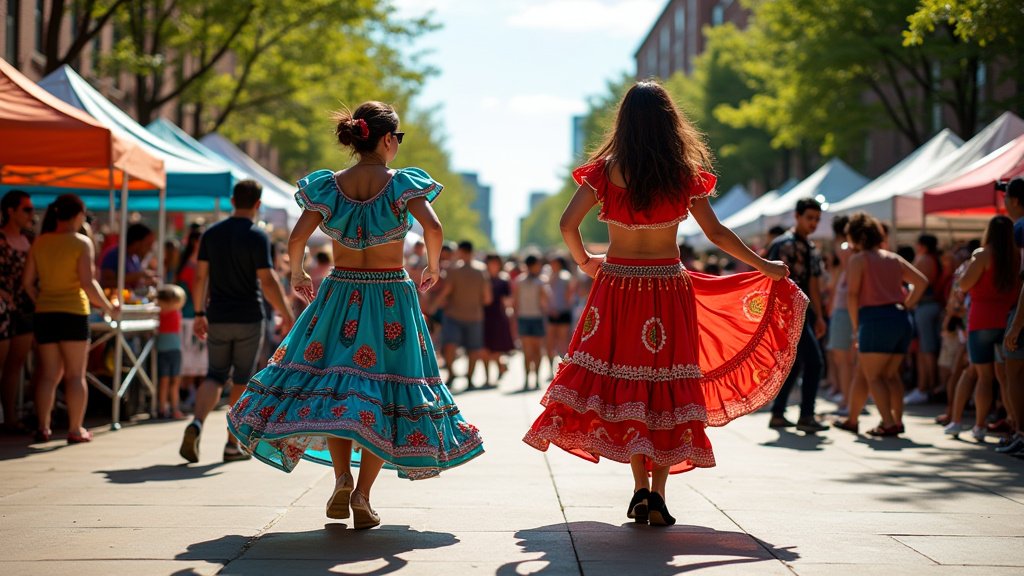
The festival operates on a fundamental principle: cultural pride drives civic engagement. By transforming downtown streets into a hub of color, sound, and flavor, the event effectively repurposes public spaces. This year, the integration of traditional dance performances acted as a narrative tool, educating the public on the nuances of different Latin American cultures. It was not a monolith; it was a patchwork of experiences. This specificity is crucial. When attendees see the distinction between the music of the Caribbean and the rhythms of the Andean highlands, they engage more deeply. The festival has become a repository for these traditions, ensuring that while the community adapts to a modern Ohio setting, the ancestral roots remain firmly planted.
Economic Vitality and the Local Ripple Effect
Beyond the vibrant energy, the 6th annual Latin Festival acts as a catalyst for local commerce. In an era where downtown foot traffic is fiercely competed for, this festival delivers high-density engagement. Small businesses, particularly those specializing in authentic Latin American cuisine, reported significant revenue spikes during the event weekend. This is not incidental. The festival provides a low-barrier-to-entry marketplace for vendors, allowing them to scale their operations and gain exposure to demographics they might otherwise miss. We are seeing a cyclical economic benefit: the festival drives traffic, that traffic supports small businesses, and those businesses reinvest in the local economy, creating a more resilient downtown ecosystem.
The Future of Tradition in the Midwest
Looking toward the future, the challenge and opportunity for Akron lie in scaling this impact without diluting the authenticity that made the first six years successful. As we project into the next half-decade, the sustainability of such events will rely on three pillars: youth engagement, infrastructure, and cross-sector partnerships. Youth participation is the most critical element. The 2026 festival saw a marked increase in younger volunteers and performers, signaling that the next generation is prepared to shepherd these traditions forward. Furthermore, the partnership between the municipal government and cultural organizations will be the deciding factor in whether this festival remains a weekend event or evolves into a year-long cultural incubator. The blueprint established in 2026 suggests that the appetite for such programming is at an all-time high, positioning Akron as a burgeoning leader in Midwest cultural tourism.
FAQ: People Also Ask
Q: What is the primary purpose of the Akron Latin Festival?
A: The festival exists to celebrate and honor National Hispanic Heritage Month (observed annually from September 15 to October 15). Its core goal is to showcase the diverse cultural traditions of Latin American communities through music, food, and dance, fostering community unity and local economic activity.
Q: How has the festival changed over its six-year history?
A: The festival has grown from a localized community gathering into a significant regional event. Over six years, it has transitioned from focusing solely on cultural exhibition to becoming a substantial economic driver for downtown Akron, attracting larger crowds and a wider array of local business vendors.
Q: Why is this festival important for Akron’s economy?
A: It creates an intensive surge in downtown foot traffic, providing a platform for local small businesses to increase their revenue and brand awareness. By drawing residents and visitors to the downtown core, it boosts the visibility of local businesses that operate year-round, contributing to the broader economic stability of the city center.