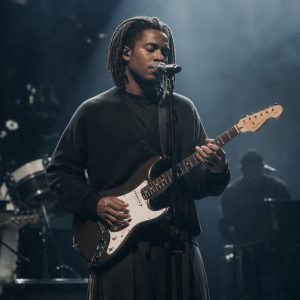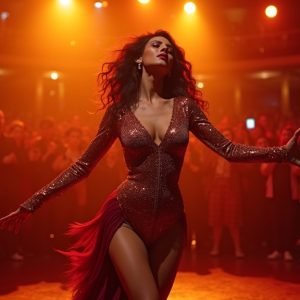
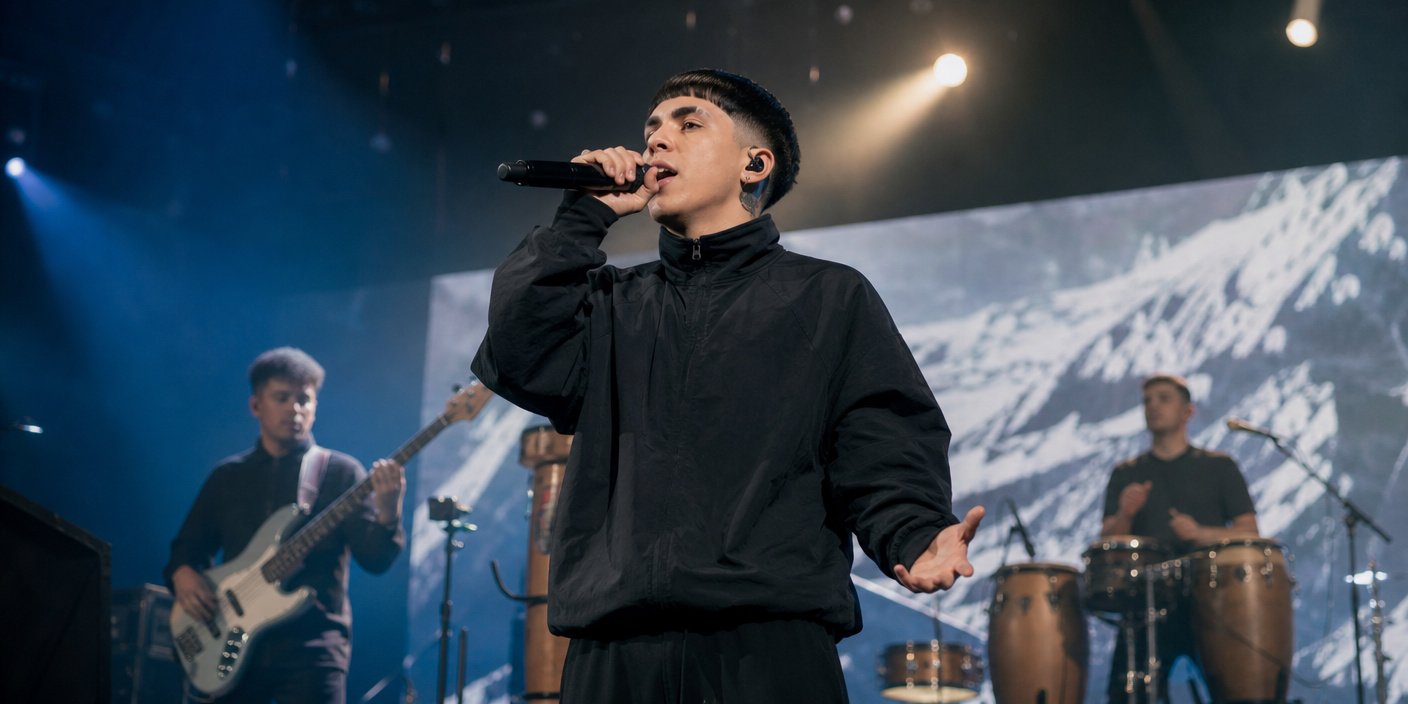
Argentine rap phenom Milo J is redefining the lifecycle of his music with the surprise release of ‘La Jangada’, a live album that breathes fresh, kinetic energy into the tracks that defined his Latin Grammy-nominated project, ‘La Vida Era Más Corta’. By stripping back the studio polish and re-engineering these hits for a live setting, Milo J is demonstrating a level of artistic maturity that cements his status as one of the most compelling voices in the contemporary urban music scene. This project is not merely a compilation of concert audio; it is a meticulous reimagining of his established discography, bolstered by significant collaborations with Chilean icon Mon Laferte and fellow Argentine heavyweight Trueno.
Key Highlights
- La Jangada serves as a live performance evolution of the La Vida Era Más Corta EP, which previously garnered critical acclaim and a Latin Grammy nomination.
- The project features high-profile guest appearances from Mon Laferte and Trueno, bridging generational and stylistic gaps within the Latin music sphere.
- The album marks a strategic pivot for Milo J, shifting from the studio-centric production of his early career to a performance-first ethos that emphasizes raw vocal delivery and instrumental arrangement.
- The release reinforces his dominance within the ‘New Argentine School’, proving his capacity to adapt his sound for diverse audiences and live venues.
The Evolution of the La Vida Era Más Corta Legacy
When Milo J first released La Vida Era Más Corta, it resonated with listeners for its vulnerability and its precise, modern production. The EP became a defining moment for the young artist, earning him a nod at the Latin Grammy Awards and positioning him as a standout performer in a crowded market. However, with La Jangada, Milo J is proving that he is not content with letting his music remain static.
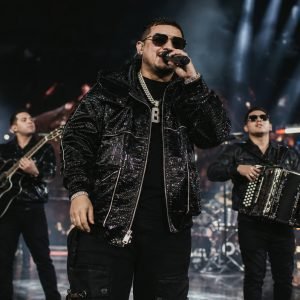
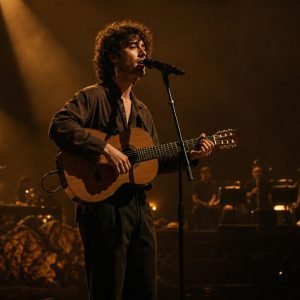
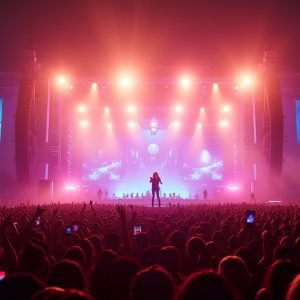
‘La Jangada’ is less of a retrospective and more of a creative expansion. By reinterpreting these tracks in a live environment, Milo J invites the audience into his creative process, exposing the backbone of the songs. The live arrangement allows for a more organic sound, replacing synthesized beats with live percussion and bass lines that carry a weightier, more visceral punch. This shift is intentional—it is a conscious decision to showcase his range as a vocalist, moving beyond the limitations of track-based studio work to embrace the unpredictable, electric energy of live performance.
Strategic Collaborations: Mon Laferte and Trueno
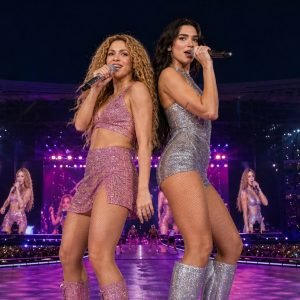
One of the most striking aspects of the La Jangada project is the choice of collaborators. Inviting Mon Laferte, a giant of Latin alternative music, to revisit his material provides a stark, genre-defying contrast. Laferte’s vocal prowess brings a soulful, operatic depth to Milo J’s urban soundscapes, effectively transforming the tracks into something cinematic. It is a masterclass in collaboration, proving that Milo J’s songwriting possesses enough structural integrity to hold up under the weight of such powerhouse vocal interpretations.
Simultaneously, the inclusion of Trueno—a peer and a titan of the Argentine rap scene—grounds the project back in the raw, authentic soil of the movement that birthed both artists. The chemistry between Milo J and Trueno in a live setting is palpable, highlighting the collaborative spirit that has fueled the rapid, global expansion of the Argentine music scene. These features are not just marketing stunts; they are bridges between different musical philosophies, serving to elevate the prestige of the original material.
The Economics of the Live Album in Urban Music
In an era dominated by singles and algorithmic streaming playlists, the return of the live album as a significant commercial product is a trend worth noting. For an artist like Milo J, who has cultivated a dedicated, high-engagement fanbase, La Jangada serves a specific function. It allows him to extend the commercial life of the La Vida Era Más Corta cycle without simply re-releasing the same audio.
From an economic standpoint, this project serves as a bridge, keeping his audience engaged while he likely works on his next studio LP. By offering live versions, he satisfies the demand for fresh content while simultaneously boosting the streaming figures of the original EP—a clever ‘double-dip’ strategy that leverages his current momentum to maximize the value of his intellectual property.
Cultural Impact and the ‘New Argentine School’
It is impossible to discuss La Jangada without contextualizing it within the broader phenomenon of the New Argentine School. Milo J has been a central figure in this movement, helping to export the ‘sound of Buenos Aires’ to the rest of the world. By taking his own hits and re-orchestrating them, he is signaling to the industry that Argentine urban music is not just about catchy beats; it is about artistry, performance, and the ability to evolve.
This project positions Milo J not just as a rapper, but as a performer. As he continues to headline larger venues across Latin America and Europe, the ability to showcase a dynamic, flexible setlist—one that can be rearranged and reimagined—is essential for long-term career viability. La Jangada serves as proof-of-concept that his music can stand the test of time, maturing as he does, rather than becoming a relic of a specific hype cycle.
FAQ: People Also Ask
What is ‘La Jangada’?
‘La Jangada’ is a live album by Milo J that features reimagined, live-performance versions of the songs originally found on his Latin Grammy-nominated EP, ‘La Vida Era Más Corta’.
Who are the main collaborators on this album?
The project features prominent collaborations with Chilean singer-songwriter Mon Laferte and fellow Argentine rapper Trueno.
Why did Milo J release a live version of his previous work?
The release allows Milo J to showcase his vocal growth and live arrangement capabilities, extending the life of his critically acclaimed work while providing fans with a new, more organic perspective on his hits.
Is this considered a studio album?
No, it is a live album. It captures the energy of his live performances and differs from his studio releases by utilizing live instrumentation and distinct vocal arrangements compared to the original studio recordings.