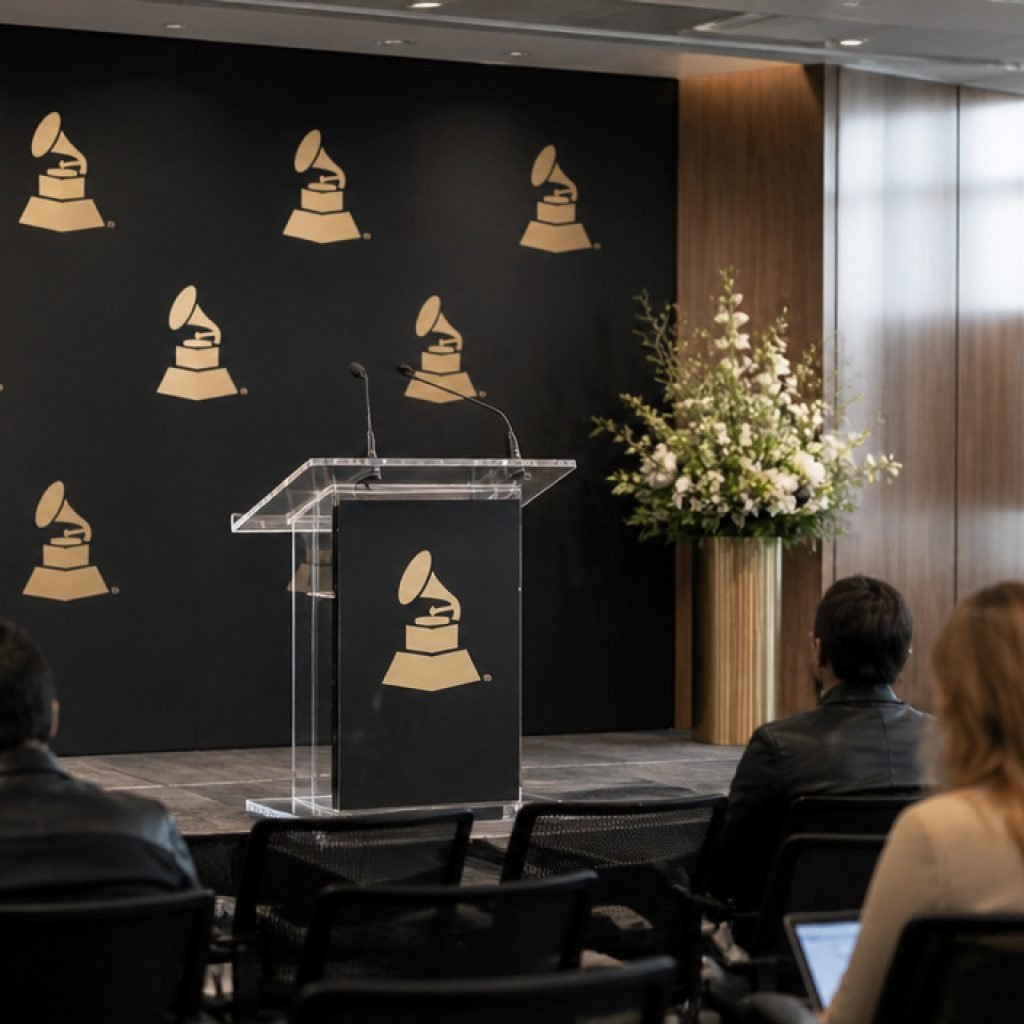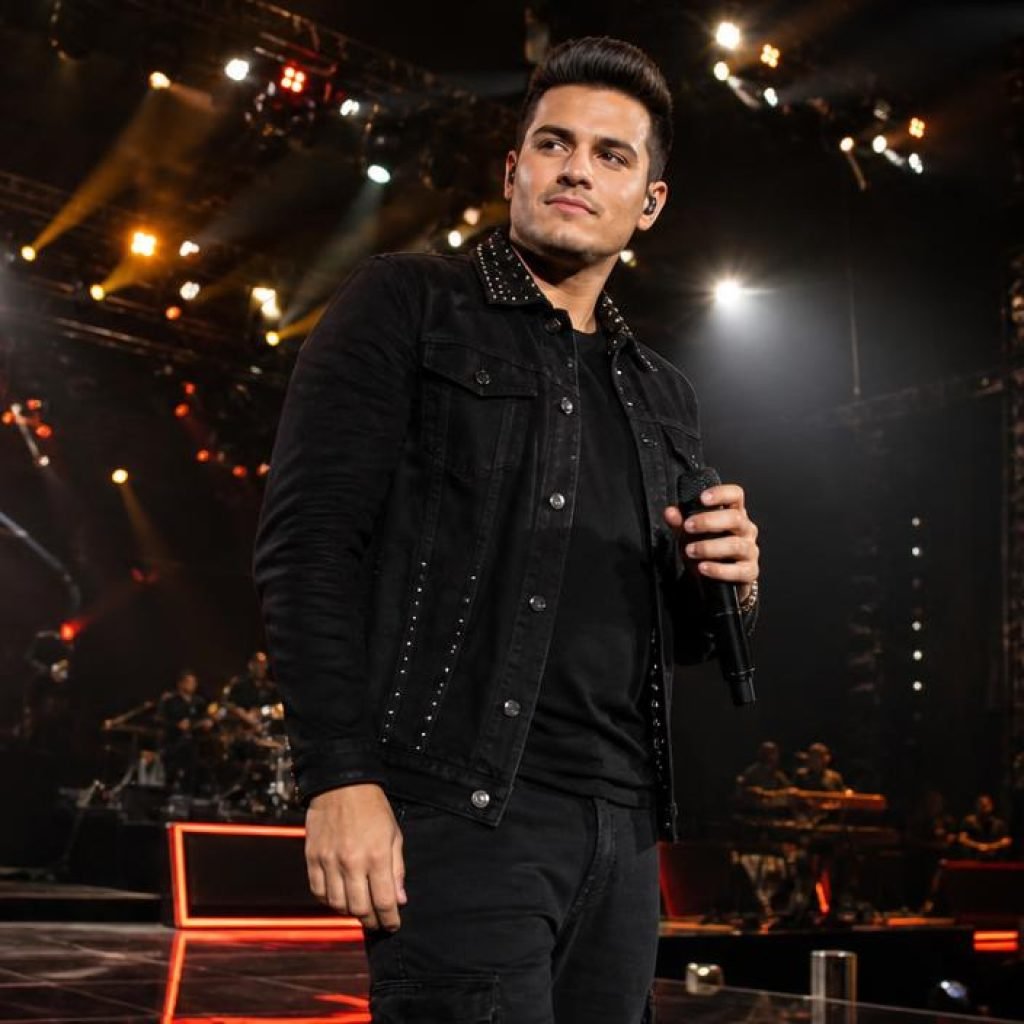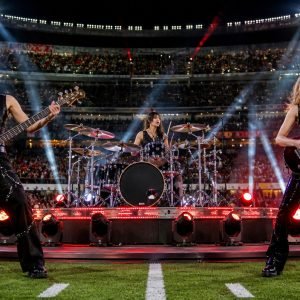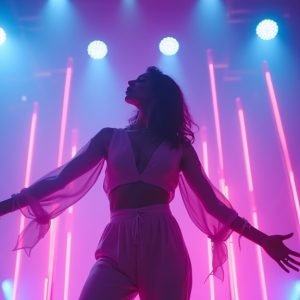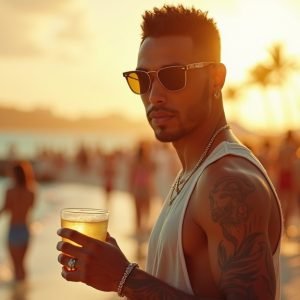
In the neon-drenched landscape of Las Vegas, the 2026 Latin Grammy Week served as more than just an awards ceremony; it was a cultural crucible. While the industry focused on trophies and performances, Red Bull turned the city into a theater of operational excellence, executing a 24-hour activation cycle that bridged the gap between high-performance athletics and the rhythmic heartbeat of Latin music. Hypebeast LATAM’s immersive coverage of these events revealed a brand strategy that moved beyond traditional sponsorship, focusing instead on community engagement and lifestyle integration.
Key Highlights
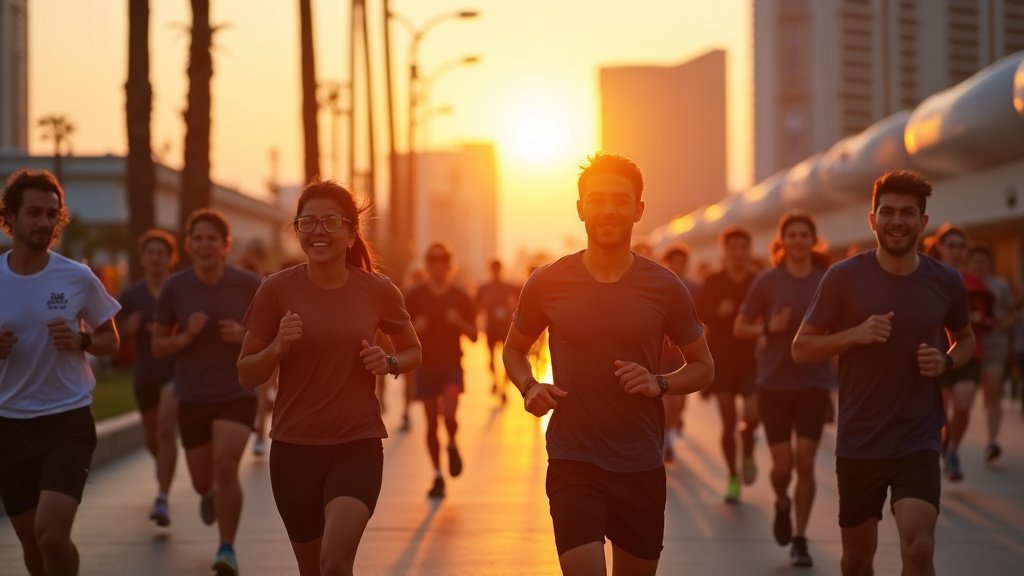
- The 5km Run Club: A standout initiative that drew hundreds of creators, artists, and fans to the Las Vegas Strip for a sunrise wellness activation.
- Operational Intensity: A 24-hour rigorous schedule that balanced brand activations, artist support, and fan-facing community events.
- Strategic Synergy: Seamless integration of Red Bull’s high-energy brand identity with the explosive growth and cultural influence of the Latin music genre.
- Community-First Approach: Shifting the narrative from billboard advertising to active participation through collaborative events.
The Architecture of a Brand Takeover
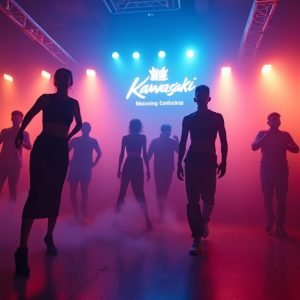
Las Vegas during Latin Grammy Week is a high-pressure environment, characterized by tight schedules, endless networking, and constant media demand. Red Bull’s 2026 strategy was not about dominating the airspace; it was about curating the energy of the participants. By maintaining a 24-hour presence, the brand ensured that it remained the literal and figurative fuel for the most influential figures in the Latin music scene. The activations were meticulously timed to coincide with the natural rhythms of the week—energy boosts in the morning, networking hubs in the afternoon, and high-octane support during the nightlife events.
The 5km Run Club: Redefining Music Industry Wellness
Perhaps the most striking component of the week was the morning Run Club. In an industry often characterized by late nights and studio-bound schedules, the invitation for artists, influencers, and media to gather for a 5km run at sunrise was a masterclass in behavioral positioning. It provided a stark contrast to the typical party-centric nature of the week, offering a space for genuine connection away from the cameras. This initiative highlighted a shift in how lifestyle brands engage with the music community—prioritizing wellness and mental clarity as key components of professional longevity. The event saw a diverse turnout, proving that the ‘creator economy’ is increasingly interested in health and community-building.
Strategic Partnerships and the ‘Value-Add’ Model
Red Bull’s activations functioned on a ‘value-add’ model rather than an extraction model. Every partnership—whether with emerging artists or established Latin music curators—was designed to solve a problem or enhance an experience. By providing logistical support, premium spaces for content creation, and an infrastructure for spontaneous collaboration, Red Bull positioned itself as an essential partner in the ecosystem. This approach creates a distinct competitive advantage; artists and creators are more likely to align with a brand that actively contributes to the success of their week rather than one that merely occupies ad space.
The Economic and Cultural Ripple Effect
The long-term impact of such activations is substantial. By embedding themselves into the fabric of Latin Grammy Week, Red Bull solidified its status as the ‘go-to’ brand for energy and innovation within this demographic. This strategy does more than sell product; it cultivates brand loyalty among a generation of artists and consumers who value authenticity and active participation. For the city of Las Vegas, these brand-led activations contribute significantly to the vibrancy of the week, turning the city into a multifunctional platform for culture, commerce, and creativity.
Future Predictions: The Evolution of Experiential Marketing
Looking forward, the 2026 activations indicate a clear trajectory: the future of brand marketing in the music industry is experiential and participatory. Static ads are becoming obsolete. As we move into 2027 and beyond, expect to see more brands adopting the Red Bull model—creating their own micro-events, community clubs, and ‘third spaces’ where talent and fans can interact. The success of this year’s strategy suggests that the brands that win will be those that can successfully blend the physical event space with the digital social experience, creating content that feels organic, shared, and necessary.
FAQ: People Also Ask
Q: Why was the Red Bull 5km Run Club significant for Latin Grammy Week?
A: It represented a departure from traditional party-centric activations, focusing on wellness and community. It allowed artists and media to network in a low-pressure, healthy environment, setting a new trend for brand integration in music events.
Q: How did Red Bull’s strategy differ from other brands at the 2026 Latin Grammys?
A: While many brands focused on traditional sponsorship or single-event presence, Red Bull maintained a 24-hour activation cycle. This comprehensive, ‘always-on’ approach kept the brand at the center of the conversation throughout the entire week, rather than just during specific high-profile slots.
Q: What is the main benefit for brands engaging in these lifestyle activations?
A: Beyond immediate visibility, these activations foster deep, authentic connections with influential creators and fans. By providing genuine value—such as physical space, community interaction, or lifestyle support—brands transition from being a ‘sponsor’ to being a ‘partner,’ which significantly increases long-term brand equity.