
As the final notes faded from the 27th Annual Latin Grammy Awards stage, it became clear that this was not merely an awards ceremony; it was a profound testament to the power of music to act as a temporal anchor. In an industry that often prioritizes the ‘next big thing,’ this year’s gala leaned heavily into the ethos of ‘Feelings Season’—that distinct, crisp time of year when autumn leaves meet the long shadows of introspection. This year’s event was a masterclass in how global institutions can successfully bridge the gap between technical commercialism and raw, human vulnerability.
The Aura of the 27th Annual Latin Grammys
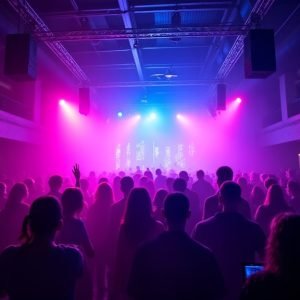
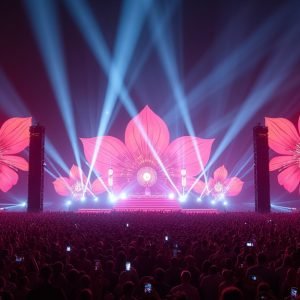
The 27th Annual Latin Grammy Awards established a new benchmark for what the industry refers to as ‘important nights.’ While viewership metrics and social media engagement numbers were significant, the real story lay in the atmosphere of the venue. The production design—muted, warm lighting interspersed with deep, ambient blues—mirrored the psychological state of the audience. Attendees and performers alike described the night as a collective sigh of relief, a moment of pause in a year defined by breakneck speed. This atmosphere didn’t just happen by accident; it was a deliberate curation of space and sound, ensuring that the performances of 2026 felt intimate despite the massive scale of the production.
Carlos Vives and the Music of Memory
Central to this conversation is the perennial influence of Carlos Vives. His presence at the 27th Annual Latin Grammys was more than a performance; it was an act of cultural preservation. Vives, who has spent decades synthesizing the vallenato rhythms of Colombia with modern pop sensibilities, reminded the audience why certain songs become the soundtracks to our lives.
When we discuss the ‘music of memory,’ we are identifying the neurological link between sound and personal history. Vives’ setlist, which seamlessly blended legacy tracks with contemporary arrangements, forced a reflection on how music carries us through personal seasons. For many in the crowd, it was a moment of profound awe—the realization that an artist can act as a bridge between their past, present, and future selves. This connection is the heartbeat of the ‘Feelings Season’ phenomenon, where the cooling weather serves as a trigger for nostalgic reflection.
The Economy of Awe
Beyond the emotional resonance lies the undeniable economic impact. The Latin music industry has matured into a dominant global force, with the Latin Grammys acting as the primary catalyst for market expansion. The 27th Annual Awards saw record-breaking sponsorship engagement, particularly from global brands eager to tap into the high-intent demographics associated with Latin pop and urban genres.
However, the ‘economy of awe’ refers to something more intangible: the value of prestige. When artists are honored at this level, their back catalogs see immediate, measurable spikes in streaming and licensing revenue. This cycle reinforces the music industry’s most potent business model—the creation of legends. By platforming veterans alongside rising stars, the Latin Recording Academy effectively protects the long-term asset value of the entire industry. It’s a closed-loop system where historical significance fuels future growth.
Secondary Angles: A Deeper Look at the Industry
1. The Shift Toward ‘Slow Listening’: While the streaming era favors the 15-second soundbite, the 27th Annual Latin Grammys showcased a resurgence of the ‘album-as-experience.’ This shift indicates a growing consumer appetite for long-form, emotive storytelling over disposable content.
2. Geopolitical Cultural Export: The ceremony highlighted how the music of the Latin diaspora is shifting from a regional niche to a primary pillar of Western culture. The economic implications are massive, as local music scenes in cities like Bogotá, San Juan, and Miami become the epicenter of global trend-setting.
3. Technological Evolution in Performance: This year’s event pushed the boundaries of real-time audio-visual integration. The technical precision of the live broadcasts is now rivaling cinematic film production, turning every performance into a high-fidelity ‘event’ that persists in the digital sphere long after the curtains close.
As we transition deeper into the year, the impact of the 27th Annual Latin Grammys will be felt not just in award tallies, but in the way artists approach their upcoming projects. The industry has been reminded that when technology is used to enhance, rather than mask, the human element, the result is a cultural moment that truly lasts.