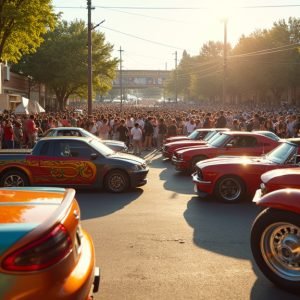
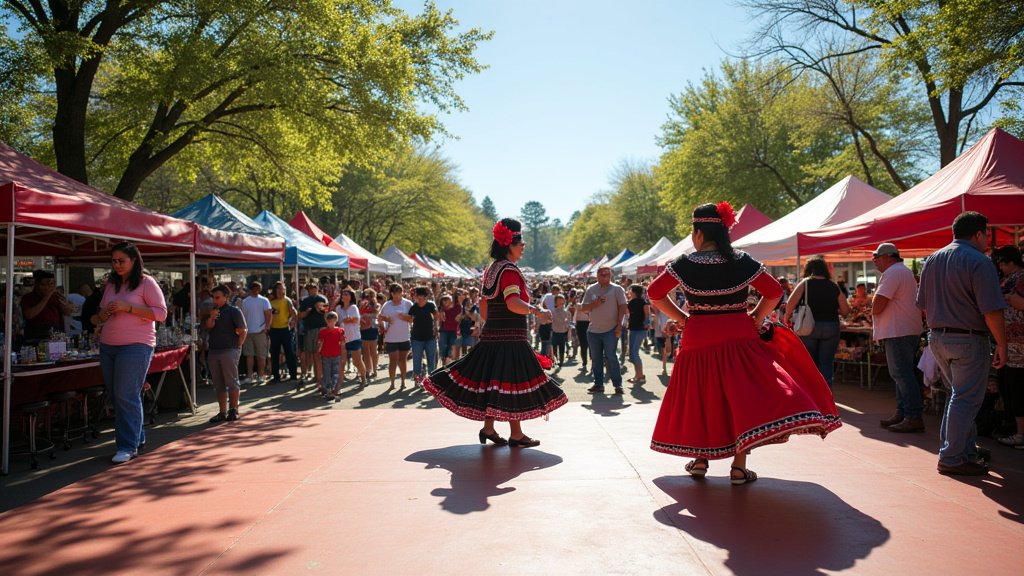
Macon-Bibb County pulsated with energy on September 27, 2026, as the community gathered for the 11th annual Festival Latino at Smiley’s Flea Market. This landmark event, organized by the dedicated team at ¿Que Pasa?, served as a cornerstone celebration for Hispanic Heritage Month, bringing together residents and visitors alike for a day of rhythmic music, traditional dance, and community engagement. As the event enters its second decade, it continues to solidify its role as a vital touchpoint for cultural expression in Middle Georgia.
Key Highlights
- Landmark Milestone: The 2026 edition marked the 11th consecutive year of Festival Latino, demonstrating long-term stability and community support.
- Strategic Venue: Hosted at Smiley’s Flea Market on September 27, the event utilized a high-traffic, accessible location to maximize community inclusion.
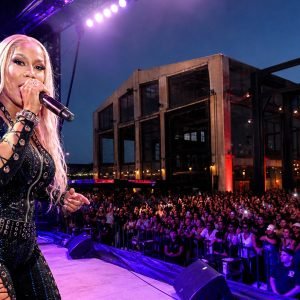
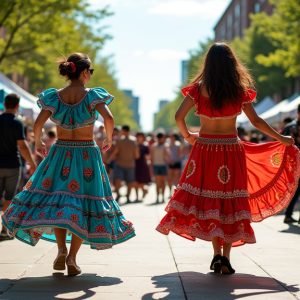
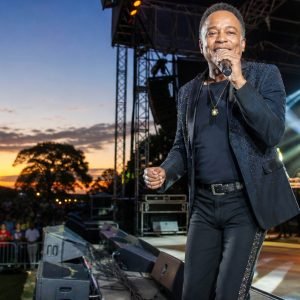
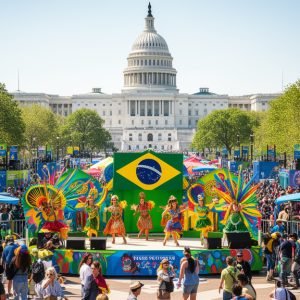
- Cultural Showcase: Attendees experienced a curated lineup of live music, traditional dance performances, and prize giveaways that honored Hispanic Heritage Month.
- Organized Impact: Facilitated by the media and cultural organization ¿Que Pasa?, the event emphasized grassroots connection and local visibility.
A Decade of Cultural Resurgence in Macon-Bibb
For eleven years, the Festival Latino has functioned as more than just an event; it is a barometer for the evolving cultural tapestry of Macon-Bibb County. When the festival first launched over a decade ago, the landscape for Hispanic-focused community events in the region was markedly different. Today, the success of the 2026 iteration at Smiley’s Flea Market highlights a significant shift toward the intentional celebration of diversity and the recognition of the Hispanic community’s growing contributions to the local economy and social fabric.
The Mechanics of Community Organization
The success of the festival is largely attributed to the sustained efforts of ¿Que Pasa?. By choosing Smiley’s Flea Market as the venue, the organizers tapped into an existing hub of local commerce and interaction. This decision is strategically sound; flea markets act as micro-economies where diverse groups already converge. By integrating a cultural festival into this space, ¿Que Pasa? bridges the gap between commercial activity and cultural celebration. The event’s programming—ranging from high-energy dance sets to curated prize giveaways—is designed to be inclusive, ensuring that the celebration is accessible to families, long-time residents, and newcomers alike.
The Economic and Social Ripple Effect
Secondary to the music and dance, the Festival Latino functions as a crucial economic engine for the region. Events of this magnitude drive foot traffic to local venues, benefiting not just the organizers, but the vendors and neighboring businesses within the Smiley’s Flea Market ecosystem. When a festival attracts hundreds, if not thousands, of attendees, the local hospitality, retail, and service sectors see a tangible uptick in activity.
Furthermore, there is a social dimension to this economic impact. By providing a platform for local Hispanic artists, musicians, and entrepreneurs to showcase their talents, the festival fosters a sense of pride and belonging. It creates a space where cultural heritage is not just observed but actively practiced. This is essential in a growing metropolitan area like Macon-Bibb, where the integration of diverse voices is key to long-term demographic and cultural stability.
Historical Context and Cultural Preservation
Hispanic Heritage Month, celebrated annually from September 15 to October 15, is a time to honor the history, culture, and influence of past generations. The 11th annual Festival Latino serves as a living, breathing component of this national observance. In Middle Georgia, this event helps maintain a vital connection to traditions that might otherwise be marginalized. The inclusion of traditional dance—often requiring extensive preparation and dedication—signals that the community is committed to intergenerational knowledge transfer. Young performers, dancing alongside veterans of the community, ensure that the culture is preserved and evolved rather than simply archived.
Future Predictions: The Growth of Localized Festivals
Looking toward the future, the success of the 2026 event suggests that we may see an expansion in both scale and frequency for such cultural celebrations in Macon-Bibb. As the demographic landscape of Georgia continues to shift, there is an increasing demand for festivals that offer authenticity over spectacle. Future iterations of the Festival Latino may likely incorporate more robust educational components, partnerships with local universities to explore historical research, or even an extension of the festival duration. The blueprint established by ¿Que Pasa? provides a resilient model: anchor the event in a central, high-foot-traffic location, prioritize community-led programming, and maintain a consistent yearly schedule to build institutional memory.
FAQ: People Also Ask
Q: What is the significance of hosting the festival at Smiley’s Flea Market?
A: Smiley’s Flea Market is a high-traffic, central location in Macon-Bibb. Hosting the event there allows the festival to reach a broad, diverse audience during their regular weekend routines, maximizing visibility and participation beyond just those who would travel specifically for a cultural event.
Q: Who is responsible for organizing the Festival Latino?
A: The event is organized by ¿Que Pasa?, a local organization dedicated to media, culture, and community representation for the Hispanic population in the region.
Q: How does this event contribute to Hispanic Heritage Month?
A: The festival serves as a physical manifestation of Hispanic Heritage Month, providing a venue for cultural expression—through music, dance, and commerce—that honors the community’s roots and contemporary contributions to Macon-Bibb.
Q: Is the festival a recurring event?
A: Yes, the 2026 event marked the 11th annual celebration. It has become a staple fixture in the local calendar, typically timed to coincide with the national observation of Hispanic Heritage Month.