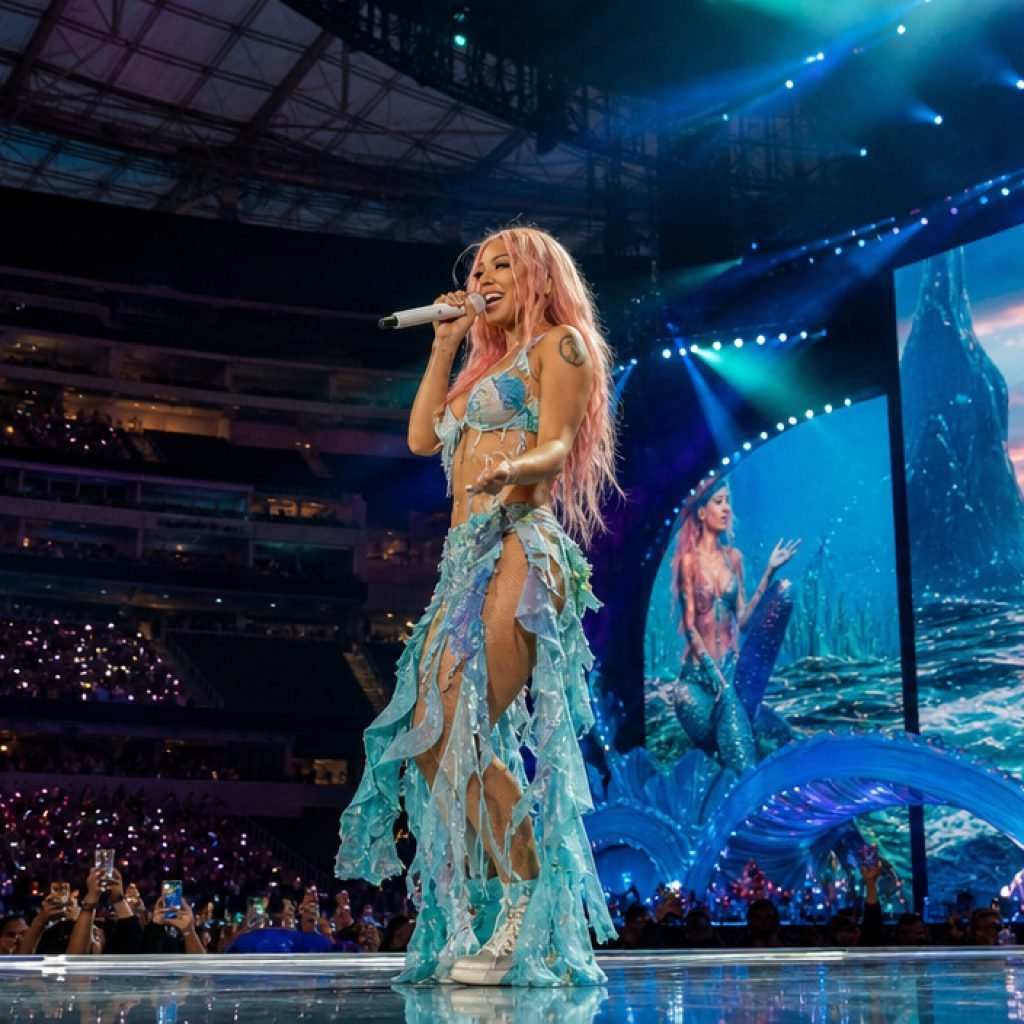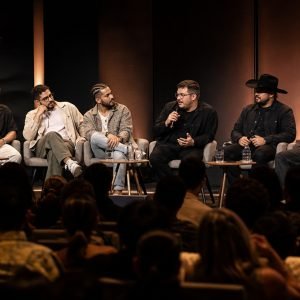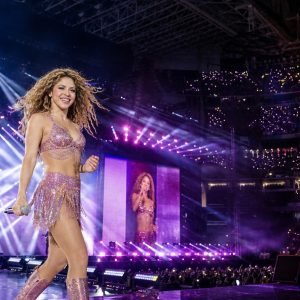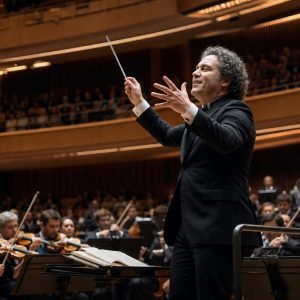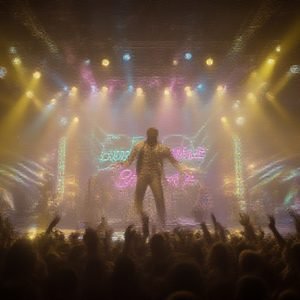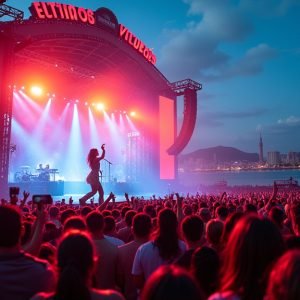
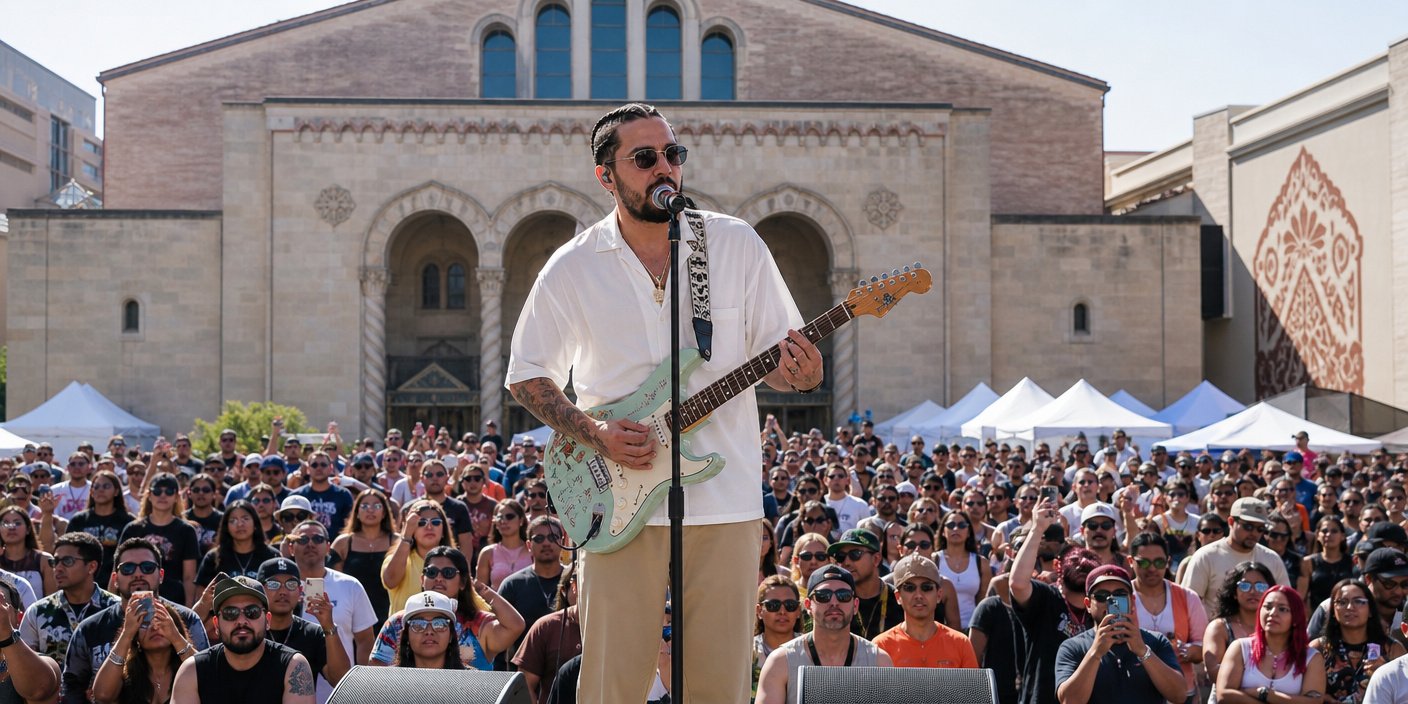
On August 15, 2026, the grounds of the National Museum of Mexican Art (NMMA) in Chicago’s Pilsen neighborhood pulsed with an electric synergy as Sonido Fest 2026 officially commenced. Serving as a vibrant testament to the resilience and richness of Latin heritage in the Midwest, the free outdoor festival brought together thousands of residents, music enthusiasts, and cultural observers for a day defined by high-energy performances and communal spirit. As the sun beat down on 18th Street, the festival solidified its position as a cornerstone event in the Chicago cultural calendar, proving that public-access programming remains the most effective tool for neighborhood cohesion.
Key Highlights:
- Event: Sonido Fest 2026, held at the National Museum of Mexican Art on August 15, 2026.
- Artistic Lineup: A curated selection of diverse voices, featuring sets from Surely Tempo, Niko Rubio, and Selines.
- Accessibility: The festival remained free to the public, emphasizing inclusivity and barrier-free access to high-quality cultural experiences.
- Community Focus: Designed as a connective tissue for Chicago’s diverse population, the festival blended music, art, and local gastronomy.
The Echoes of Sonido: Pilsen’s Cultural Renaissance
The choice of the National Museum of Mexican Art as the venue for Sonido Fest 2026 was no mere coincidence; it was a deliberate act of cultural framing. Pilsen, long recognized as a historic enclave for Mexican American families in Chicago, has navigated decades of demographic change, economic shifts, and urban development. By anchoring such a high-profile music event at the NMMA, organizers have effectively bridged the gap between institutional history and contemporary artistic expression.
Harmonizing the Lineup: A Genre-Fluid Approach
The festival’s curated lineup—Surely Tempo, Niko Rubio, and Selines—offered a multifaceted look at modern Latin sounds. Surely Tempo’s ability to weave intricate electronic textures with traditional melodic motifs created a hypnotic atmosphere that engaged the crowd early in the afternoon. Niko Rubio, known for her sharp, rhythmic songwriting, brought a level of intensity to the stage that demanded the audience’s full attention, blending pop sensibilities with deep-rooted cultural narratives. Selines rounded out the showcase, providing a soulful transition that highlighted the breadth of the Latinx musical experience in 2026. This wasn’t just a concert series; it was a deliberate exploration of how regional soundscapes are evolving within the Midwestern metropolis.
The Institutional Anchor: The Role of the NMMA
Beyond the stages and the speakers, the National Museum of Mexican Art serves as an essential entity in the preservation of the neighborhood’s identity. In an era where gentrification often threatens the character of historic districts, the museum provides a physical and spiritual space that remains unapologetically grounded in its roots. Sonido Fest 2026 utilized the museum’s perimeter as an open-air venue, effectively inviting the community to reclaim the public sphere. The synergy between the visual exhibits inside the museum and the sonic performances outside created an immersive experience that few other neighborhoods in the country could replicate.
Economic and Social Implications of Free Festivals
Secondary to the music is the economic engine that events like Sonido Fest provide to the local Pilsen business corridor. By drawing crowds that might not otherwise venture to 18th Street on a Thursday, the festival acts as a catalyst for local commerce. Restaurants, local cafes, and small retail businesses reported increased foot traffic throughout the day. This ‘multiplier effect’ is a critical component of the festival’s long-term sustainability strategy—fostering a culture where music is the bait, but the neighborhood ecosystem is the true beneficiary. When cities invest in free, accessible art, they are inherently investing in the economic stability of their residents.
Navigating the Future: Chicago’s Latinx Music Legacy
Looking toward the future, Sonido Fest 2026 establishes a high watermark for what neighborhood-based festivals should aspire to be. It moves away from the ‘large-scale commercialization’ model seen in many corporate-sponsored events and returns to the roots of community-centered celebration. As Chicago continues to define itself as a global city, the ability to nurture events that celebrate specific cultural identities while remaining open to all is paramount. The success of this year’s edition suggests that the appetite for local, authentic, and high-quality artistic programming is stronger than ever. The festival serves as a blueprint for how cultural institutions can pivot from static repositories of history to active, living facilitators of the future.
FAQ: People Also Ask
What was the purpose of Sonido Fest 2026?
Sonido Fest 2026 was organized to celebrate Latin sounds and foster community cohesion in Chicago’s Pilsen neighborhood, providing a free platform for diverse musical talent and local cultural appreciation.
Who headlined the festival?
The festival featured a diverse lineup including artists such as Surely Tempo, Niko Rubio, and Selines, each contributing a unique sonic perspective to the event.
Where was the festival held?
The festival took place on August 15, 2026, at the grounds of the National Museum of Mexican Art in the Pilsen neighborhood of Chicago.
Was there an admission fee?
No, Sonido Fest 2026 was an entirely free, outdoor event, aimed at ensuring maximum community accessibility.