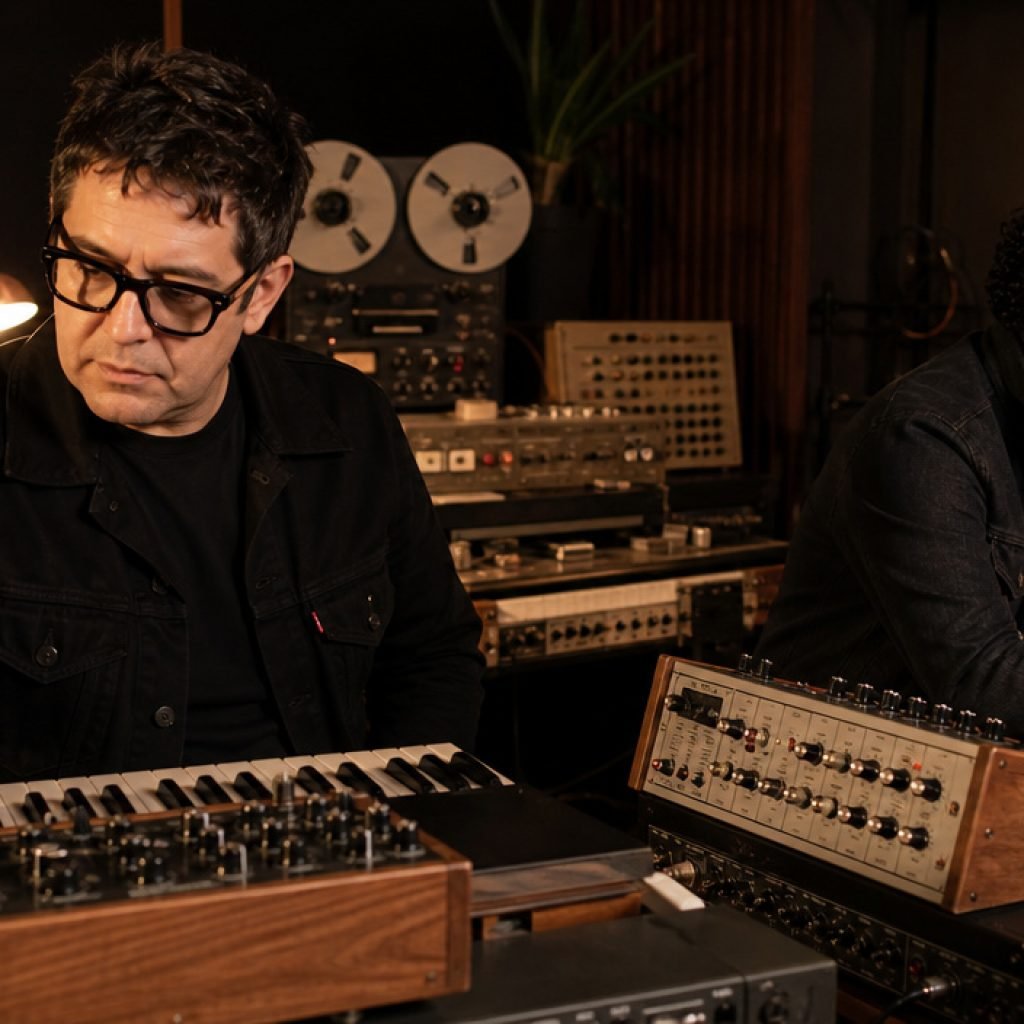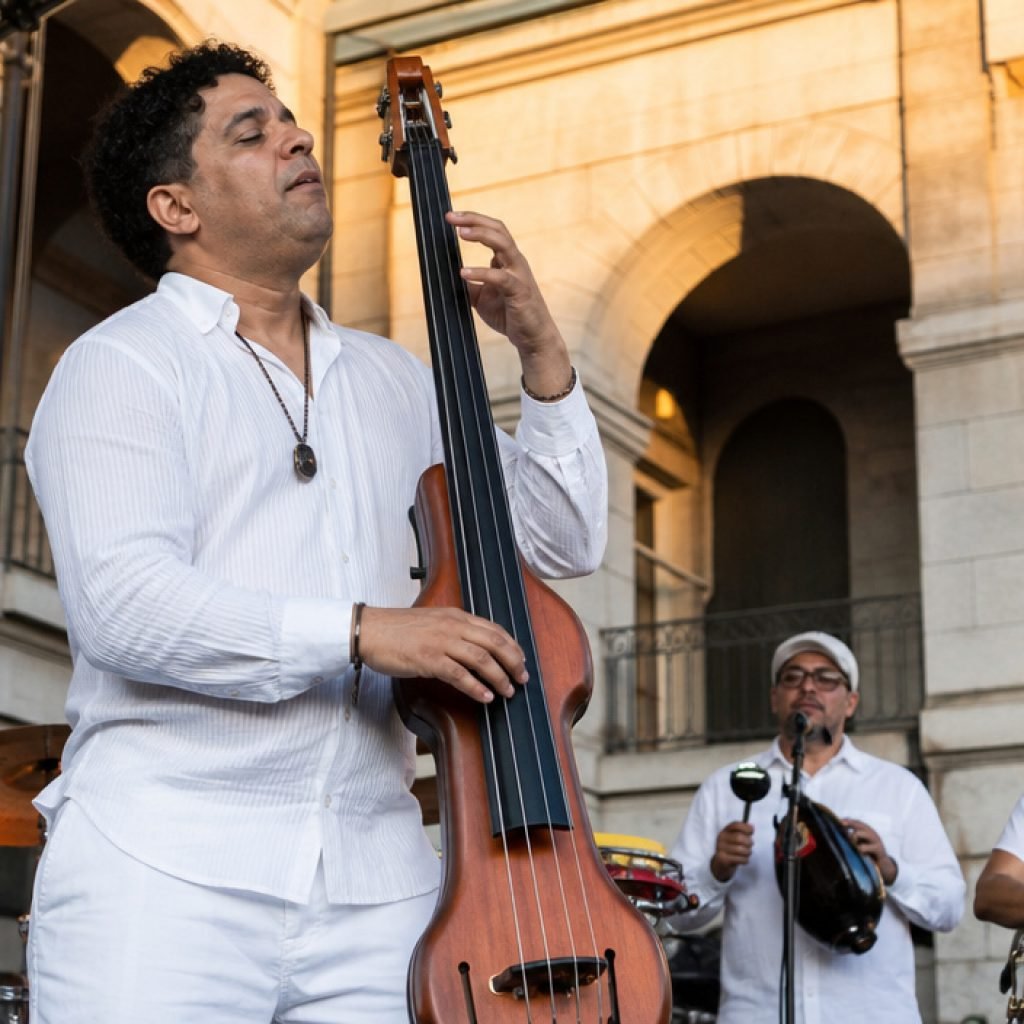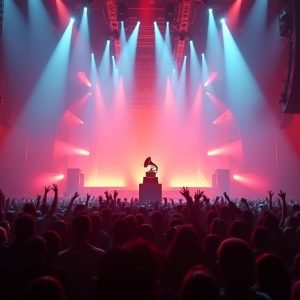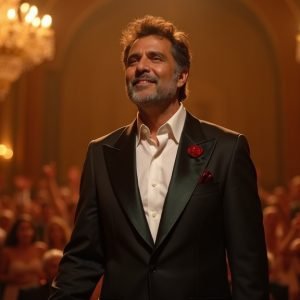
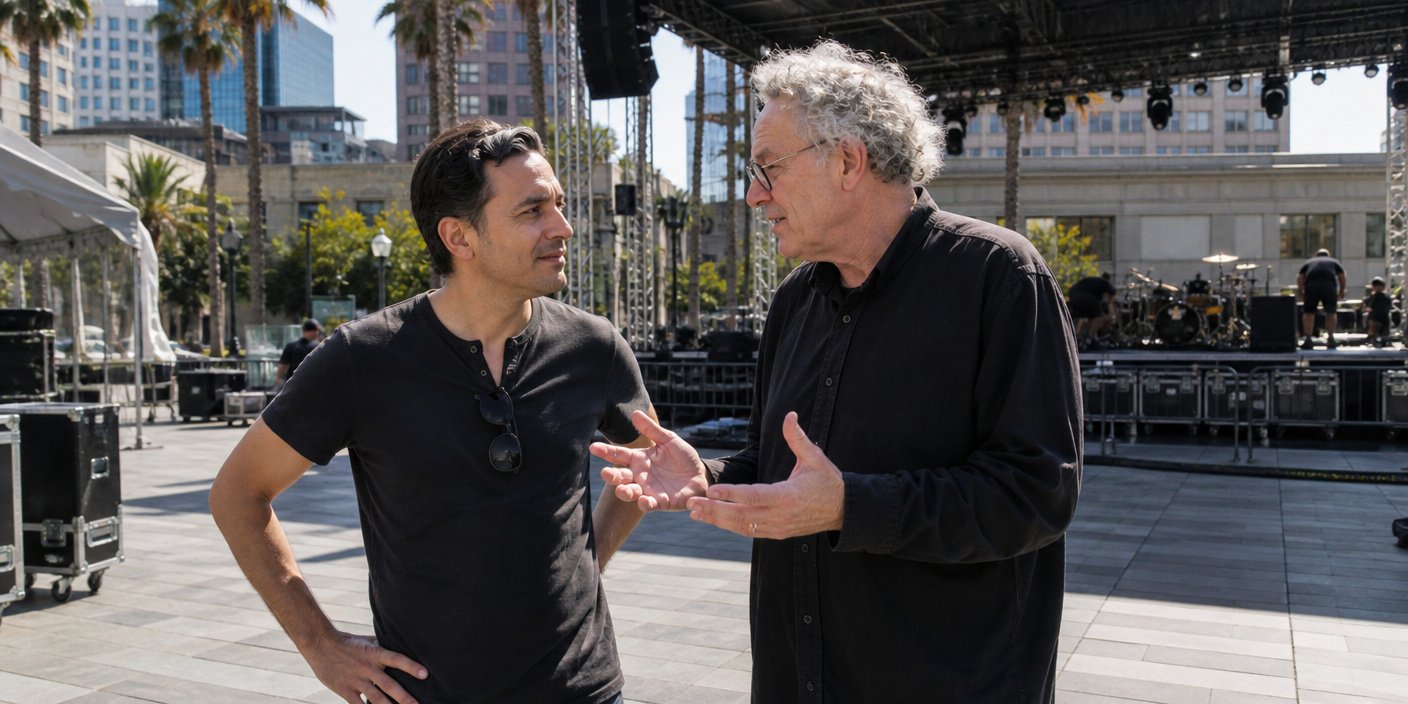
The rhythm of downtown San Jose is set to undergo a transformative shift this coming summer. As the San Jose Jazz Summer Fest prepares for its return from August 7 through August 9, 2026, the organization has signaled a major departure from its traditional programming strategies. In an effort to better reflect the multifaceted heritage of the South Bay, Associate Artistic Director Christian Vela, alongside outgoing artistic director Bruce Labadie, is spearheading an ambitious expansion of the festival’s Latin music stage. This year, the festival will intentionally move beyond its long-standing focus on salsa, aiming to weave the vibrant threads of cumbia, Cuban music, and Chicano soul into the fabric of the downtown experience.
Key Highlights:
- Dates: The festival is officially scheduled to take place from August 7-9, 2026, in downtown San Jose.
- Artistic Evolution: The programming team is diversifying the Latin music stage, moving away from a single-genre focus to include cumbia, Cuban music, and Chicano soul.
- Strategic Leadership: Associate Artistic Director Christian Vela is leading this programming shift in close collaboration with outgoing artistic director Bruce Labadie to ensure a seamless transition of the festival’s artistic vision.
- Venue Impact: The festival continues to serve as a critical economic and cultural anchor for downtown San Jose, utilizing the city’s urban landscape to drive foot traffic and tourism.
Redefining the Latin Soundscape in Silicon Valley
For years, the San Jose Jazz Summer Fest has been a fixture of the city’s cultural calendar, often relying on the reliable, high-energy draw of salsa to anchor its Latin programming. However, the 2026 edition represents a calculated pivot toward a more nuanced and expansive representation of Latin American musical heritage. By incorporating genres like cumbia and Chicano soul, the festival is not merely changing its setlist; it is engaging in a deeper cultural conversation about what constitutes ‘Latin music’ in a modern, diverse metropolitan area.
The Artistic Pivot: Beyond Salsa
The decision to expand the festival’s musical horizons is a strategic move to captivate a broader demographic. Salsa, while historically significant and immensely popular in the Bay Area, represents only one slice of the Latin musical pie. Christian Vela’s vision involves creating a stage that acts as a microcosm of the diaspora. By introducing the syncopated, accordion-heavy melodies of cumbia and the complex, polyrhythmic textures of traditional Cuban music, the festival aims to appeal to both older aficionados and younger generations who have grown up with a more eclectic musical diet. Furthermore, the inclusion of Chicano soul serves as a nod to the local history of the region—a genre that emerged from the fusion of R&B, rock, and Latin influences, which resonates deeply with the local identity of San Jose and the wider Silicon Valley area.
Collaborative Leadership: The Labadie-Vela Transition
The 2026 festival is more than just a musical showcase; it represents a pivotal moment in the organizational leadership of San Jose Jazz. Bruce Labadie, a stalwart of the festival’s artistic direction, is currently involved in a mentorship and collaborative process with Associate Artistic Director Christian Vela. This handover is critical for the long-term sustainability of the festival. By allowing Vela to steer the creative direction for the Latin stage while under Labadie’s seasoned guidance, the organization ensures that the festival retains its high production standards and community trust while simultaneously ushering in a fresh, forward-looking perspective.
Economic and Cultural Impact on Downtown San Jose
Beyond the artistry, the San Jose Jazz Summer Fest functions as an essential economic engine for downtown San Jose. The festival’s footprint—which spans multiple city blocks—historically drives significant revenue for local businesses, from restaurants and bars to boutique retailers. By diversifying the programming, organizers are attempting to extend the festival’s ‘stickiness.’ A more varied lineup encourages longer attendance periods and draws attendees from a wider array of geographic and demographic backgrounds. This strategic expansion is vital for downtown revitalization efforts, as it ensures the event remains relevant in a competitive landscape where urban festivals must constantly evolve to maintain consumer interest. The integration of Chicano soul and Cuban music is expected to increase ‘dwell time’ in the city core, as the festival targets niche audiences that might have previously looked elsewhere for specialized entertainment.
Building the Future of Jazz Festivals
As the festival approaches its August 2026 dates, the industry will be watching to see how this transition influences broader trends in festival curation. The shift toward genre-specific diversification is becoming a common theme in the music industry, as organizations recognize that a ‘one-size-fits-all’ approach is increasingly obsolete. San Jose Jazz’s move serves as a case study in how to successfully pivot a legacy event. By balancing the traditional—which provides comfort and familiarity—with the new, the organization is positioning itself as a leader in cultural curation rather than just a passive concert promoter. The success of this 2026 iteration could set a blueprint for future festivals seeking to balance historic identity with the demands of an increasingly diverse, genre-fluid audience.
FAQ: People Also Ask
When is the San Jose Jazz Summer Fest 2026?
The festival is scheduled to run from August 7 through August 9, 2026, in downtown San Jose.
Why is the festival changing its Latin music focus?
The festival is expanding its Latin stage programming to include genres like cumbia, Cuban music, and Chicano soul to better reflect the diverse cultural identity of the region and to move beyond a singular focus on salsa, which has dominated previous iterations.
Who is leading the artistic direction for this year’s festival?
Christian Vela, the Associate Artistic Director, is leading the programming shift in close collaboration with outgoing artistic director Bruce Labadie, who is overseeing the transition of the festival’s creative vision.
How does this festival impact downtown San Jose?
The San Jose Jazz Summer Fest acts as a significant economic driver, increasing foot traffic and revenue for local businesses throughout the downtown area, while serving as a central hub for cultural tourism in the Silicon Valley region.