
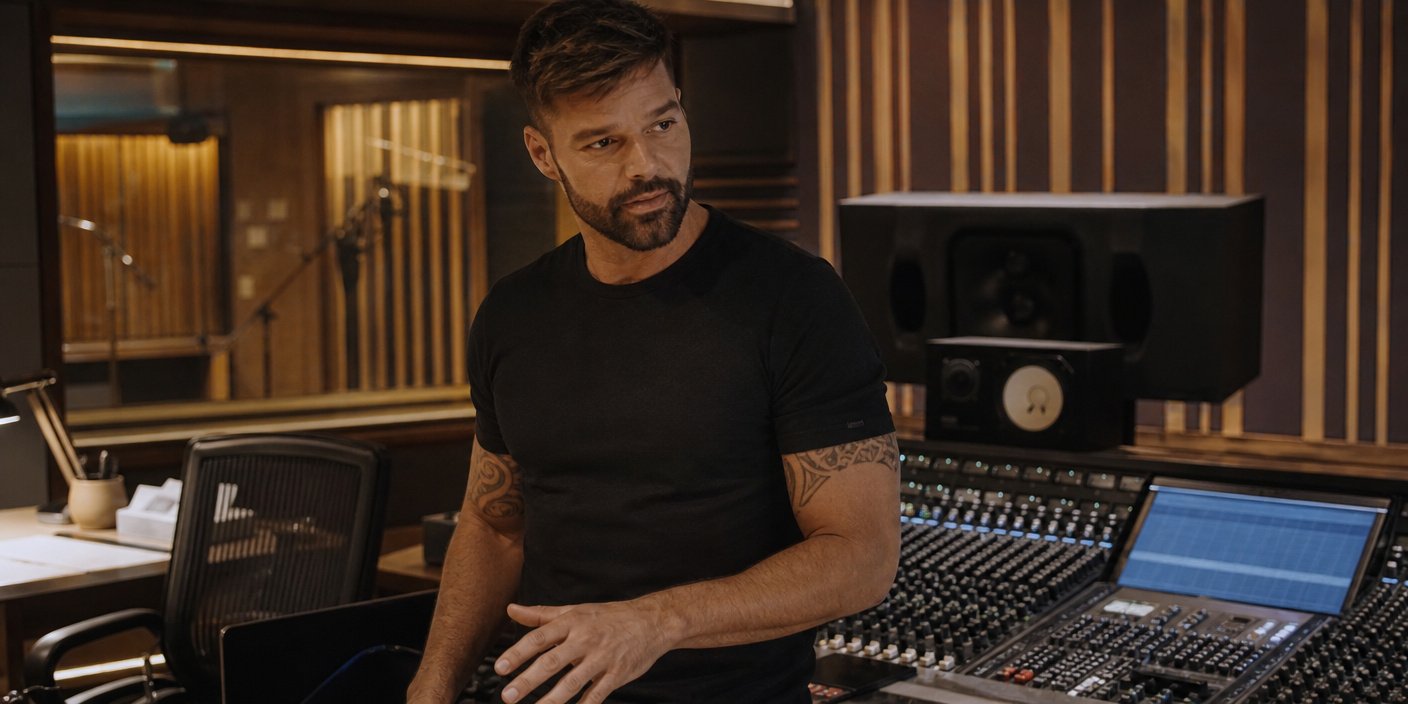
Ricky Martin, the global superstar synonymous with the explosion of Latin pop in the 1990s, has officially unveiled his latest project, ‘ReVivo.’ This sprawling 20-track album acts as both a time capsule and a forward-looking manifesto, blending the artist’s greatest hits with fresh reinterpretations and high-profile collaborations. By weaving together the soundscape of his formative years with the contemporary stylings of modern industry leaders, Martin is not merely repackaging a back catalog; he is recontextualizing his influence for a digital-native audience.
Key Highlights
- A Massive 20-Track Collection: ‘ReVivo’ offers an extensive look at Martin’s career, curated to bridge his classic anthems with current sounds.
- Star-Studded Collaborations: The project features dynamic partnerships with artists like Kany García and Grupo Frontera, bringing new genre-bending textures to established tracks.
- Genre Fusion: The album explores a blend of classic Latin pop, modern production techniques, and the booming influence of regional Mexican music.
- Strategic Legacy Preservation: The release highlights the current industry trend of legacy artists revisiting their catalogs to reclaim ownership and refresh their sonic identity.
The Sonic Evolution of a Latin Icon: Breaking Down ‘ReVivo’
For an artist with a career spanning over three decades, the challenge of ‘ReVivo’ was likely not just selection, but transformation. Ricky Martin has navigated the shifting tides of the music industry from the analog era of the late 80s and 90s to the algorithmic dominance of today’s streaming platforms. With ‘ReVivo,’ the focus shifts from a traditional “greatest hits” compilation to an immersive, reinvented experience.
Bridging Generations: The Collaborative Powerhouse
Perhaps the most striking aspect of the album is the deliberate curation of collaborators. By inviting Kany García—a powerhouse of emotional songwriting and melodic depth—to the studio, Martin injects a level of introspection into his catalog that balances his historically high-energy output. The collaboration with Grupo Frontera, on the other hand, represents a savvy alignment with the explosion of regional Mexican music. This genre has become one of the most commercially potent sounds in the global Latin market, and by integrating this sonic footprint into his classic repertoire, Martin successfully bridges the gap between his heritage in traditional pop and the current zeitgeist.
These collaborations do not feel like forced remixes; they function as a dialogue between the old guard and the new. When Martin leans into these fresh arrangements, he is inviting a younger demographic—who may know him only through viral clips or legacy playlists—to engage with his material on their own terms. It is a calculated move that reinforces his status as a malleable, relevant force rather than a static relic of the 90s “Livin’ la Vida Loca” era.
Beyond Nostalgia: Reimagining the Production
‘ReVivo’ serves as a study in production evolution. Many of the tracks included have been reimagined with updated sound design, stripping away the synths of the late 90s in favor of tighter, cleaner, or more organic instrumentation. In the modern era of music, clarity and genre-fluidity are paramount. By revisiting these 20 tracks, Martin addresses a common critique of classic pop albums: that they can sound dated. Through re-recording and re-mastering, he ensures that the sonic quality of his work is competitive with the current chart-toppers appearing on Spotify’s Global Top 50.
This process of re-recording is also economically and legally significant. In an industry where master recording ownership is a frequent battleground, re-recording classics allows artists to create “new” versions of their work that they fully control. While Martin has always maintained a strong command of his career, the artistic choice here is clear: he is prioritizing the ‘ReVivo’ versions as the definitive way to experience these songs in the modern age.
The Industry Context: Why ‘ReVivo’ Matters
‘ReVivo’ arrives at a pivotal moment for Latin music. The genre has moved beyond the “crossover” phases of the late 90s and has become a primary, self-sustaining pillar of global pop culture. Martin’s strategy here mirrors the “Taylor’s Version” trend, albeit with a focus on collaborative expansion rather than just faithful re-creation. It signals to the industry that legacy acts do not have to fade away; they can act as curators of their own history.
By leveraging his immense personal brand, Martin is able to draw attention to collaborators like Grupo Frontera, effectively using his platform to boost their visibility while simultaneously modernizing his own sound. It is a symbiotic relationship that creates a virtuous cycle of engagement. For the listener, the album offers a rare opportunity to hear a legend interrogate his own work, effectively “producing” his own evolution in real-time. As streaming continues to favor deep, extensive catalogs, an album of this length ensures that listeners have a lengthy, high-quality, and updated listening experience that serves as a one-stop-shop for the “Ricky Martin sound.”
FAQ: People Also Ask
1. What is the main concept behind Ricky Martin’s ‘ReVivo’?
‘ReVivo’ is a 20-track collection that revisits Ricky Martin’s extensive career by blending his classic catalog hits with fresh, modern interpretations and new collaborations with contemporary artists.
2. Who are the primary collaborators on the album?
Significant collaborations on the project include artists like Kany García and Grupo Frontera, who help bring a contemporary, genre-blending sound to Martin’s established tracks.
3. Is this a traditional greatest hits album?
No, it distinguishes itself from a traditional greatest hits compilation by focusing on reimagining and re-interpreting tracks rather than simply re-mastering original recordings, making it a project centered on artistic evolution.
4. Why is Martin releasing a collection like this now?
‘ReVivo’ aligns with current industry trends where artists are re-recording and re-imagining their catalogs to maintain ownership, update production standards for modern streaming, and connect with younger audiences through strategic collaborations.