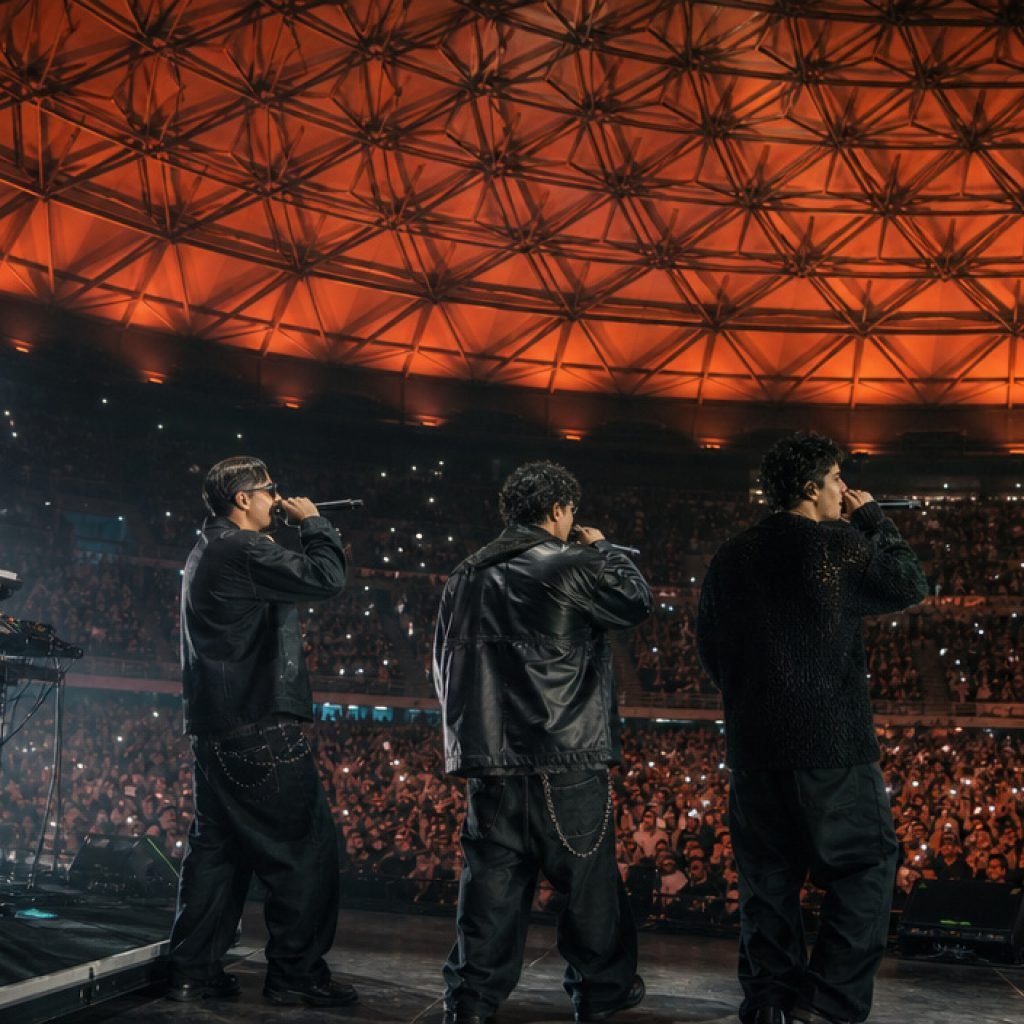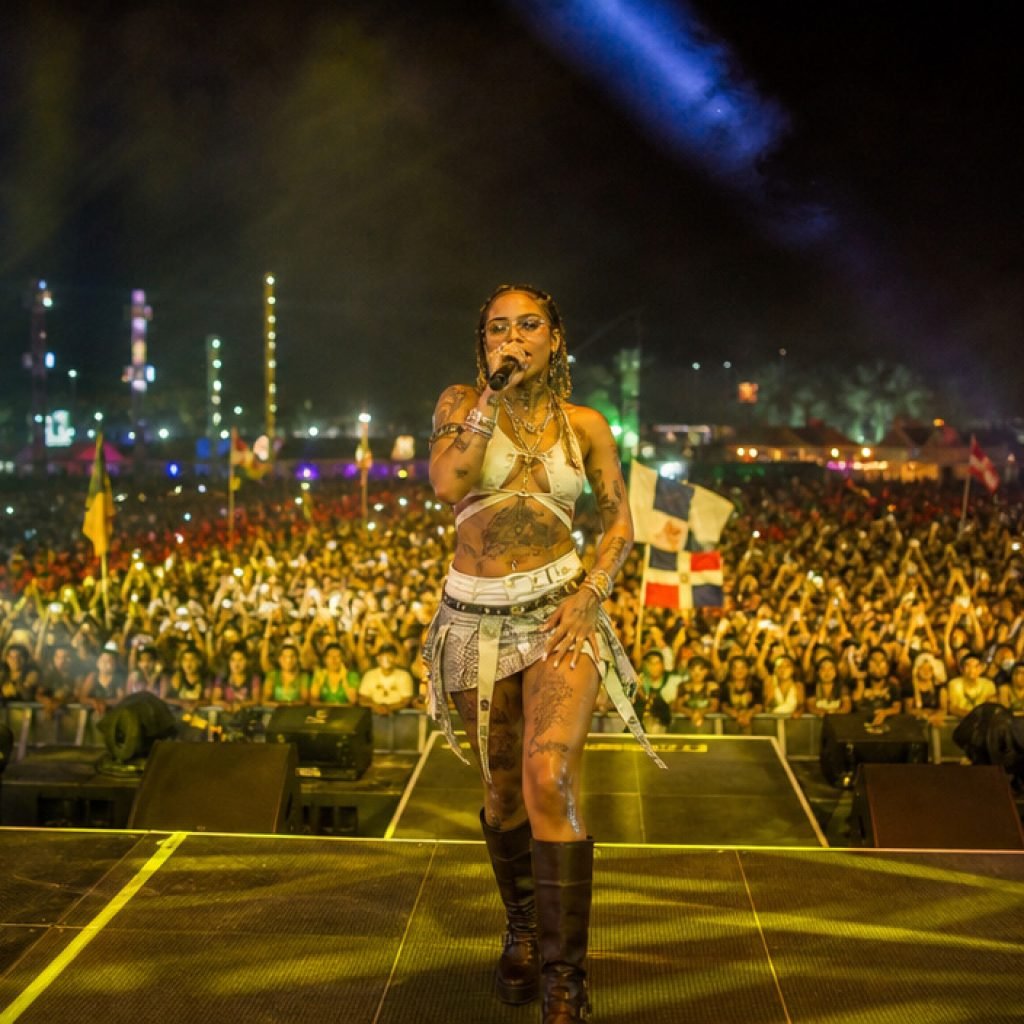
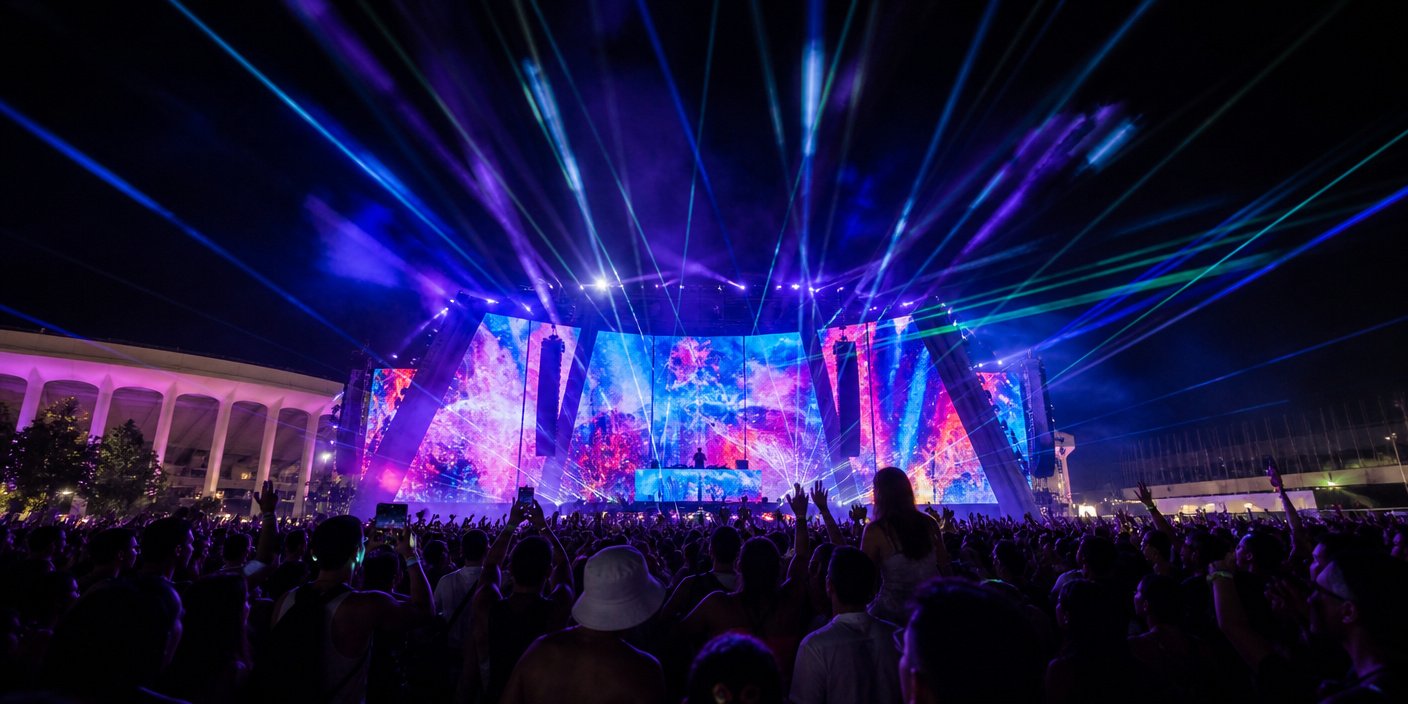
In the heart of Inglewood, the Hard Summer music festival has evolved into a powerhouse of cultural representation, marking a pivotal transition in the electronic dance music (EDM) landscape. By integrating an increasingly prominent roster of Latino artists and DJs at the Hollywood Park grounds, festival organizers are tapping into a demographic shift that is fundamentally altering how major festivals are programmed and experienced in Southern California.
Key Highlights
- Hollywood Park Residency: The festival’s move to Inglewood has solidified a new home that embraces the diverse cultural fabric of the local community.
- Strategic Programming: Insomniac Events has prioritized booking Latino talent, reflecting a conscious effort to align festival lineups with Southern California’s demographic reality.
- Cultural Catalyst: Latino artists are not just filling slots; they are introducing new rhythmic influences that are expanding the traditional boundaries of EDM.
- Economic & Social Impact: The rising influence of Latino ravers has driven ticket sales and attendance diversity, setting a benchmark for the future of the festival circuit.
The New Pulse of Electronic Music
The landscape of the music festival circuit is undergoing a dramatic transformation, and nowhere is this more evident than at Hard Summer. As the event transitioned to its current home at Hollywood Park in Inglewood, it didn’t just move to a new venue—it moved toward a new era. The festival, long a cornerstone of the Los Angeles electronic scene, is now serving as the primary proving ground for a cultural shift where the influence of Latino artists is no longer an outlier but a driving force.
Hollywood Park’s Cultural Transformation
Under the stewardship of Insomniac Events and CEO Pasquale Rotella, Hard Summer has become an increasingly accurate mirror of the Southern California population. Hollywood Park, which surrounds the SoFi Stadium, serves as more than just a venue; it acts as a cultural bridge. The move to Inglewood was strategic, placing the festival in a location that naturally draws from, and speaks to, a deeply diverse audience.
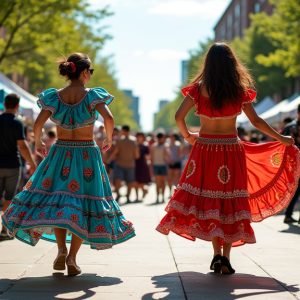
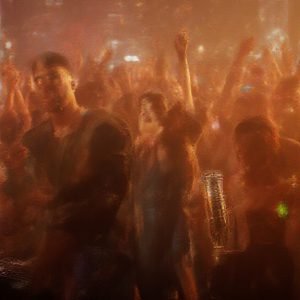
This shift in location has allowed organizers to break away from the traditional, euro-centric lineups that dominated early EDM festivals. Instead, we are seeing a deliberate inclusion of genres that resonate with the local crowd—moombahton, reggaeton-infused house, and high-energy bass music that incorporates Latin rhythms. This isn’t just about diversification for the sake of marketing; it is about authenticity. When attendees see artists who reflect their own heritage on the main stage, the energy of the crowd changes. The festival experience shifts from a consumer-product interaction to a shared, communal celebration of identity.
The Economic Power of the Latino Raver
From a business perspective, this shift is a masterstroke of market intelligence. The Latino demographic is among the fastest-growing segments in music consumption in the United States. By focusing on programming that resonates with this audience, Hard Summer is effectively future-proofing its business model.
Economic data from recent festival seasons indicates that lineups emphasizing diversity see a higher retention rate among younger festival-goers. When Hard Summer integrates heavy-hitting Latino talent, they aren’t just selling tickets; they are securing long-term brand loyalty. This economic ripple effect is being felt across the entire Insomniac portfolio, prompting other festival organizers to reassess their booking strategies. The era of the “generic” EDM lineup is fading, replaced by a demand for culturally relevant, hyper-localized programming that acknowledges the audience’s background.
The Talent Pipeline: Beyond the Mainstage
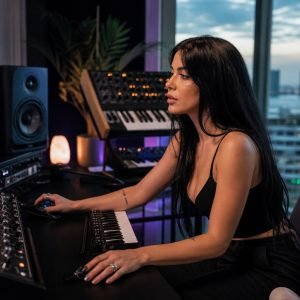
Perhaps the most exciting aspect of this evolution is the impact on the artistic side of the industry. Artists like Deorro and Jessica Audiffred are no longer just representatives of a niche; they are global ambassadors for a new soundscape. They are proving that the “crossover” appeal of Latin music—which has dominated the mainstream charts for years—is equally potent in the rave environment.
This artistic synthesis is creating a unique sonic identity for the Los Angeles festival scene. We are seeing a fusion of classic warehouse rave aesthetics with the rhythmic complexities of Latin-inspired beats. This innovation is keeping the scene fresh, providing a competitive edge for artists who can seamlessly blend these diverse influences. It is a win-win for the scene: fans get more dynamic music, and artists get a platform to showcase the full breadth of their creativity.
The Future of Festival Culture
Looking ahead, Hard Summer serves as a case study for the rest of the industry. The festival’s success demonstrates that inclusivity is not a trade-off for popularity; it is a catalyst for it. As we move into the next festival season, the blueprint established in Inglewood—prioritizing local demographic alignment and cultural authenticity—will likely become the industry standard. The “Latino wave” in festival culture is not a passing trend; it is the new foundation upon which the future of electronic music will be built.
FAQ: People Also Ask
Q: Why is the shift to Hollywood Park significant for Hard Summer?
A: Hollywood Park allows the festival to host a larger, more diverse crowd and places the event in a geographically and culturally central location that aligns with the demographics of modern Southern California ravers.
Q: Are other festivals following the Hard Summer lead?
A: Yes. Many major festival promoters are observing the success of Hard Summer’s inclusive programming strategy and are increasingly seeking to balance their lineups with diverse talent to meet audience demand and reflect current musical trends.
Q: Does this cultural shift change the music being played?
A: Yes, it has led to a wider integration of Latin-influenced electronic sounds, such as reggaeton-infused house and bass music, diversifying the sonic identity of the festival.
Q: Who are some key figures in this movement?
A: Artists such as Deorro and Jessica Audiffred are central to this evolution, helping to bridge the gap between traditional EDM and Latin-inspired beats on the main stage.