Spanish indie-pop duo Gavarnie has officially returned to the airwaves with their fourth single of 2026, “Tú te rendiste.” While the title translates to a heavy, final acceptance of “you gave up,” the track itself functions as a testament to moving forward, demonstrating a sophisticated evolution in the duo’s sound that balances live, raw instrumentation with the calculated precision of modern electronic production. This release marks a pivotal moment for the group as they solidify their position within the competitive Spanish indie scene.
The Sonic Duality: Live Guitars Meet Electronic Polish
The most striking element of “Tú te rendiste” is the deliberate tension Gavarnie maintains between acoustic performance and synthetic sound design. In an era where many indie-pop acts lean entirely into either bedroom-pop minimalism or highly polished, over-compressed production, Gavarnie carves a middle path.
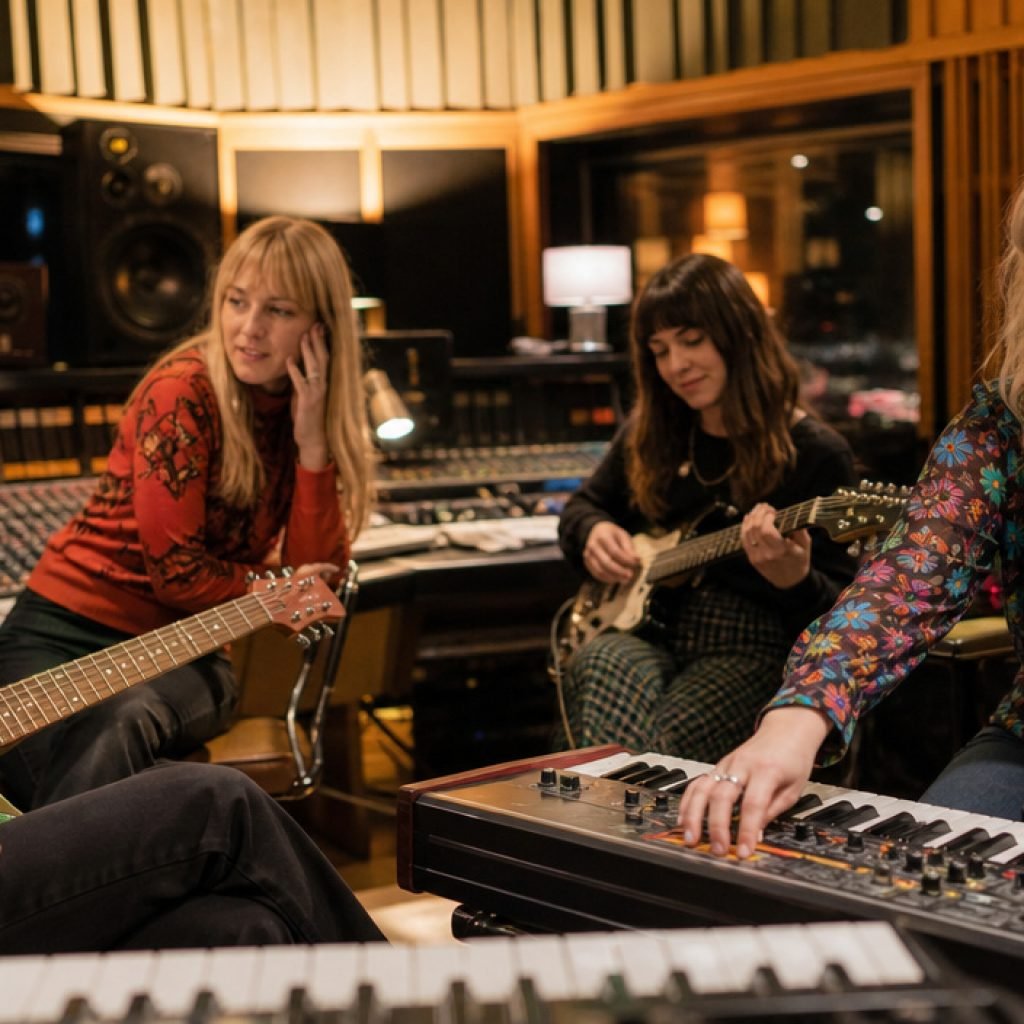
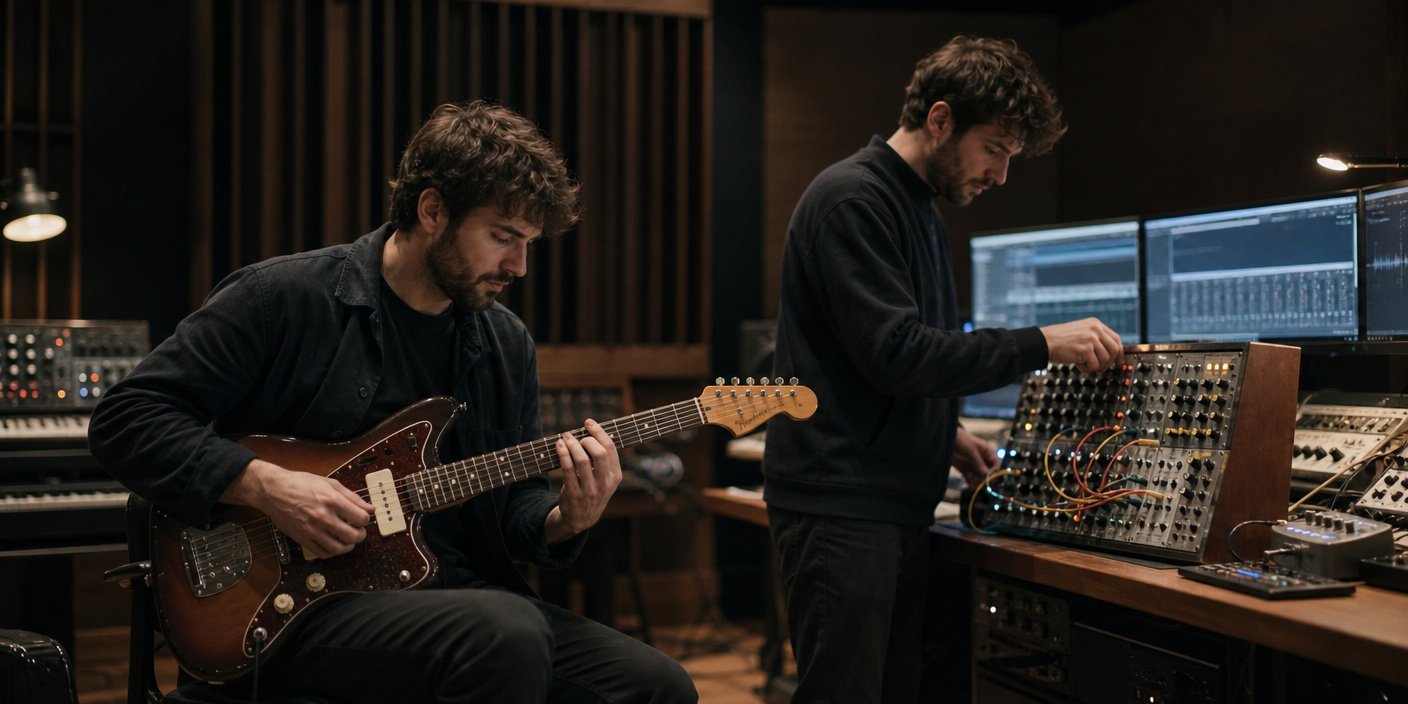
The track utilizes organic, live-recorded electric guitars that anchor the song in a tangible, human space—evoking the classic textures of alternative rock. However, this grit is filtered through a modern electronic lens. The production team behind the project has utilized granular synthesis to fracture the guitar chords during the pre-chorus, allowing the organic decay of the strings to bleed into digital artifacts. This technique serves as a sonic metaphor for the song’s lyrical core: the process of holding onto something that is effectively dissolving.
The rhythm section, characterized by a driving, gated-reverb drum beat, suggests a tempo that feels both nostalgic and urgent. By layering these elements, Gavarnie achieves a “hybrid aesthetic” that distinguishes them from their contemporaries. The duality here is not merely stylistic; it is structural. The guitars represent the memory of the relationship—the past—while the pulsating, rhythmic electronic elements represent the present, moving inevitably forward despite the emotional resistance.
Lyrical Analysis: The Anatomy of Acceptance
“Tú te rendiste” is an exploration of the emotional space between separation and acceptance. While “heartbreak” is a well-trodden trope in pop music, Gavarnie approaches the topic with a distinct clinical detachment that feels refreshing. The lyrics do not wallow in the tragedy of the separation; rather, they analyze the mechanics of it.
In the verses, the songwriting team focuses on the specific, mundane details of the breakup—the silence in the room, the lingering items, the shift in routine. By grounding the song in physical reality rather than abstract emotion, the duo creates a scenario that is highly relatable. The refrain, “Tú te rendiste” (You gave up), is delivered with a subtle cadence that avoids accusation, opting instead for a tone of resignation. This is the crux of the song’s momentum. By acknowledging the other person’s decision to leave, the protagonist of the song is finally freed to stop trying, stop fixing, and start moving. This creates the “momentum” alluded to in the track’s reception: the energy released when one stops fighting a lost cause.
The 2026 Spanish Indie Pop Landscape
To understand the significance of Gavarnie’s current trajectory, one must look at the broader context of the Spanish indie-pop scene in 2026. The market has seen a recent shift away from the hyper-local “bedroom pop” boom of the early 2020s and toward a more collaborative, production-heavy sound that blends international influences with domestic songwriting traditions.
Gavarnie is emerging as a leader in this transition. Their ability to maintain a consistent output—this is their fourth single of the year—is a strategic move in an attention-economy driven music industry. By releasing frequent, high-quality singles rather than waiting for a full-length album cycle, they maintain a constant dialogue with their audience. This methodology allows them to experiment with different production techniques in real-time, learning what resonates with listeners and adjusting their aesthetic accordingly.
Furthermore, the integration of live instrumentation is becoming a key differentiator. As digital fatigue sets in among listeners, acts like Gavarnie that can perform with authentic instruments—and incorporate those sounds into studio recordings—are seeing higher engagement rates. They are positioning themselves not just as studio entities, but as a live-ready act capable of translating these complex soundscapes to the stage.
Future Trajectory: What Happens After the Release?
With “Tú te rendiste” serving as the latest entry in their 2026 catalog, the question now shifts to the duo’s long-term planning. The consistency of their releases suggests they are building toward a larger project, likely a sophomore studio album or an EP that ties these themes together.
The momentum they are generating is not just viral; it is foundational. By establishing a signature sound that bridges analog and digital worlds, they are creating a brand identity that is easily recognizable. Fans can now expect a certain level of craftsmanship—the “Gavarnie signature”—which includes these specific, intricate production layers and the emotionally grounded, mature lyrical content. As they continue to tour and promote this track, the focus will likely remain on refining this hybrid sound, potentially incorporating more complex arrangements or collaborations with other artists who share this affinity for sonic texture.
Ultimately, Gavarnie has succeeded in creating a track that works on two levels: as a catchy, radio-friendly indie-pop anthem, and as a complex piece of audio engineering that rewards repeated, attentive listening. They have effectively turned the frustration of a breakup into the engine that drives their most compelling work to date.