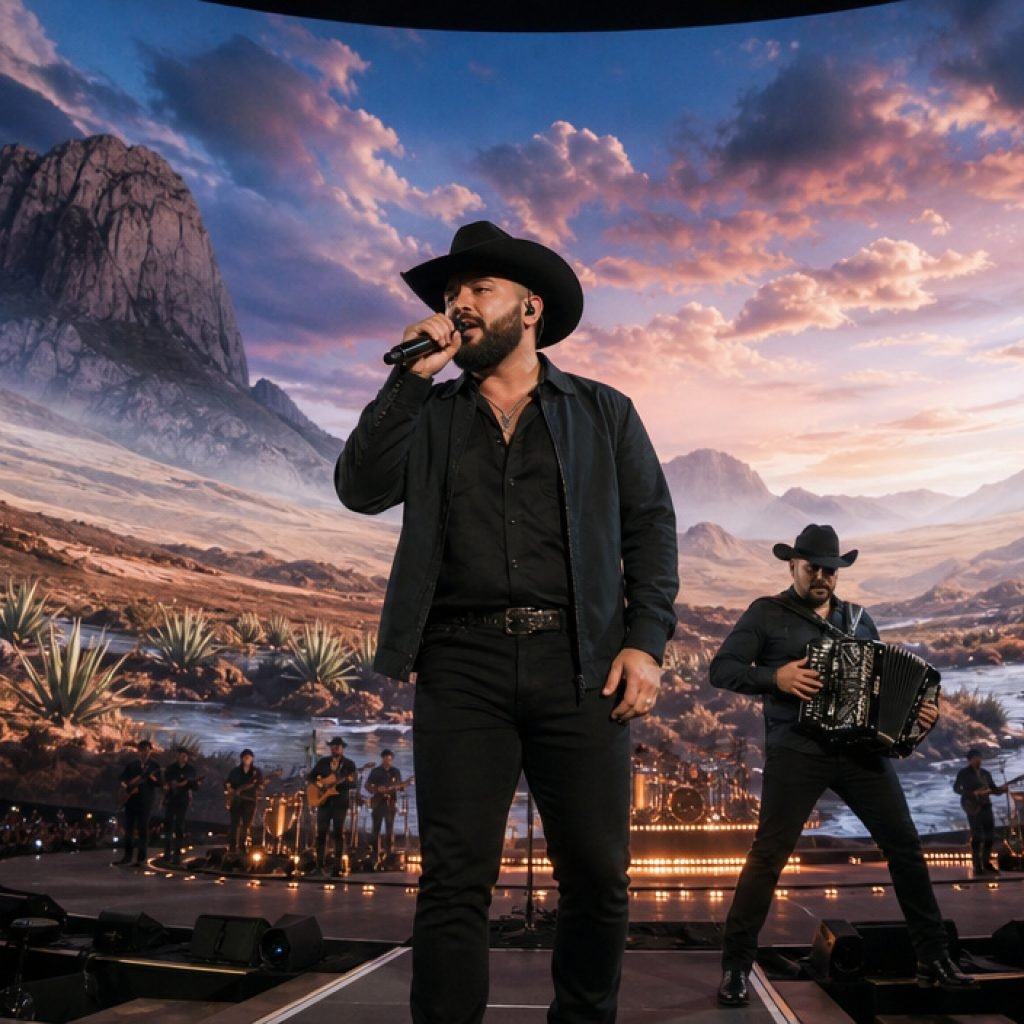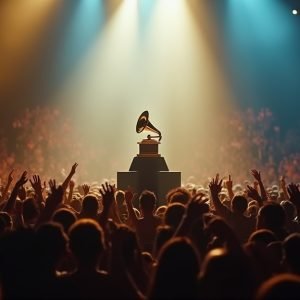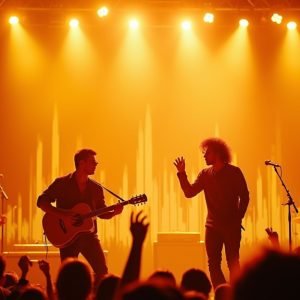
The vibrant pulse of Puerto Rican music echoed through the historic grounds of Queens, New York, as global superstar Rauw Alejandro delivered a landmark performance series. For two electrifying, sold-out nights at the iconic Forest Hills Stadium, Alejandro debuted his ‘Red Bull Chapters’ concept, drawing 13,000 fans per evening into a meticulously curated sonic autobiography. This was not merely a concert; it was an expansive exploration of the artist’s evolution, blending the avant-garde rhythms of contemporary reggaeton with the deep-seated legacy of Puerto Rico’s musical history.
The ‘Chapters’ Concept: A Narrative Evolution
The ‘Red Bull Chapters’ series is designed to deconstruct the artist’s trajectory, moving beyond the traditional “greatest hits” format. For Rauw Alejandro, this meant segmenting his setlist into distinct thematic arcs that reflect his transition from early SoundCloud experimentalism to the polished, futuristic soundscapes of his recent projects like Saturno and Vice Versa. By utilizing the venue’s massive scale, the production team created a sensory environment that mirrored the artist’s internal growth. Fans experienced a narrative arc, transitioning from the raw, intimate roots of his sound to the cinematic, large-scale production that has defined his global ascent. This structural choice allowed the audience to connect not just with the songs, but with the journey of the creator, highlighting why Alejandro remains a pivotal figure in the globalization of Latin urban music.
Forest Hills Stadium: A Venue for Cultural Milestones
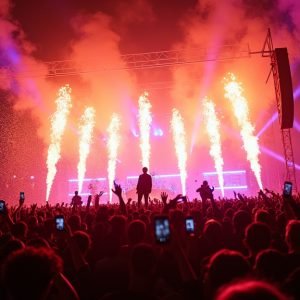
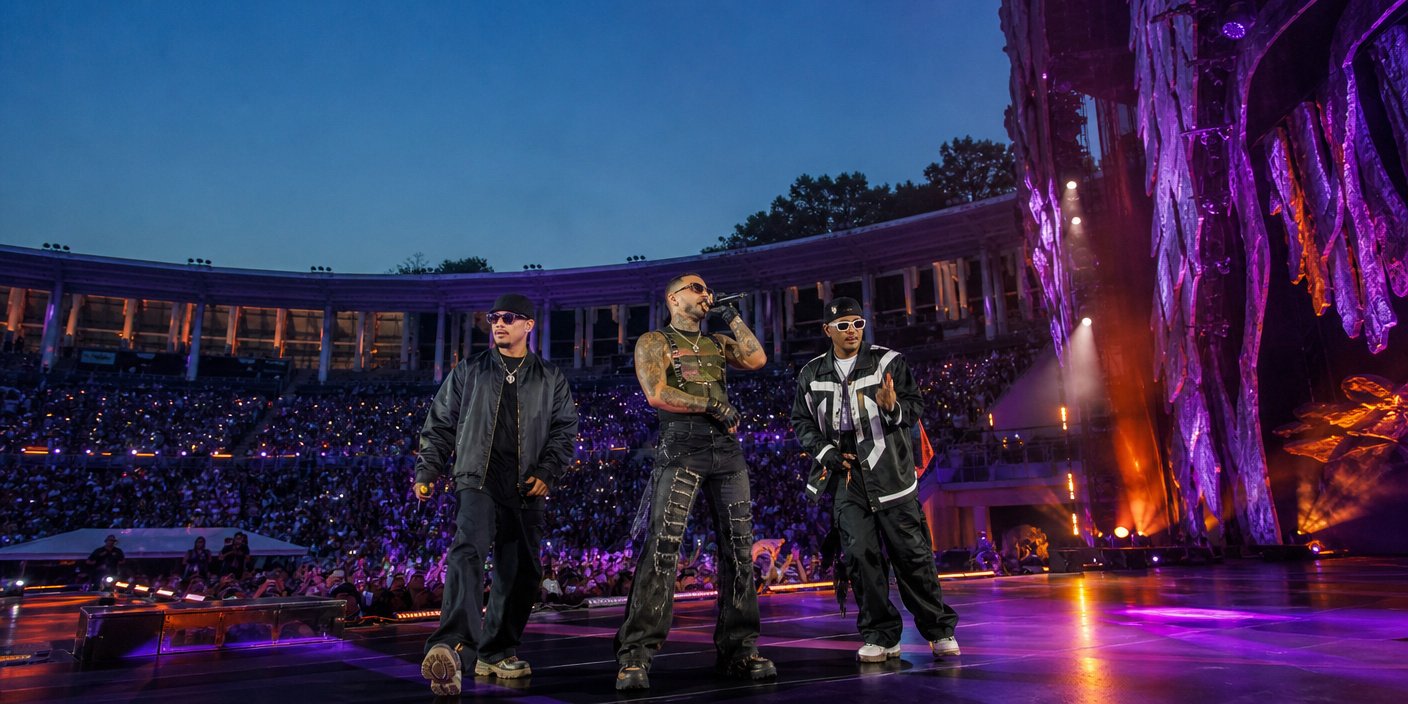
Choosing Forest Hills Stadium for this debut was a strategic decision that underscored the magnitude of the event. The venue, with its rich history of hosting legendary acts, provided a unique acoustic and visual backdrop that separated the experience from a typical arena tour. The open-air amphitheater setting in the heart of Queens enhanced the connection between the artist and the 13,000 attendees, creating an atmosphere that felt both grand and surprisingly personal. As the sun set over the stadium, the lighting production—designed to emphasize specific colors and silhouettes from Alejandro’s past album covers—transformed the space into an immersive art installation. For the local New York Latinx community, which maintains a profound cultural link to Puerto Rico, the stadium became a site of celebration, proving that Alejandro’s music now operates on a scale that demands historically significant landmarks.
Collaborative Synergy: The Power of Tainy and Chencho Corleone
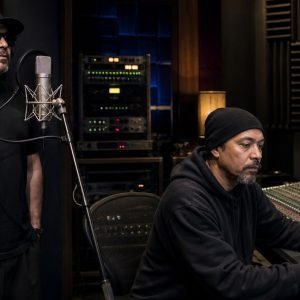
The narrative of ‘Red Bull Chapters’ would have been incomplete without acknowledging the architects of modern reggaeton. Alejandro invited two industry titans to the stage: Tainy and Chencho Corleone. Tainy, the legendary producer whose sonic fingerprints are on nearly every major modern Latin hit, brought a layer of authenticity to the arrangements. His presence during the set served as a bridge between the genre’s foundational production styles and Alejandro’s modern experimentation. Meanwhile, the appearance of Chencho Corleone, an icon whose career spans decades of reggaeton’s history, added a layer of reverence to the performance. When the trio aligned, the energy shift in the crowd was palpable. It underscored a crucial secondary angle of the event: the continuity of the genre. By inviting these specific collaborators, Rauw Alejandro framed his own success as an extension of the groundwork laid by his predecessors, rather than a solitary achievement.
The Economic and Cultural Ripple Effect
Beyond the artistry, the success of these two sold-out nights signals a shift in the live music economy. Promoters are increasingly looking toward experiential concepts—’Chapters,’ ‘Residencies,’ or ‘Deep Dives’—rather than standardized touring models. For Red Bull, partnering with an artist of Alejandro’s stature for a branded event of this magnitude validates their influence in the music space. The data suggests that fans are willing to travel and pay a premium for curated experiences that promise exclusivity and deeper insight into an artist’s process. Furthermore, the economic impact on the Queens area, from local hospitality to increased tourism traffic during the event dates, reinforces the role of major stadium residencies as engines for local economies. This event suggests that as global artists continue to capture the mainstream, the ‘residency’ model will likely become the standard for elite-tier performers looking to cement their legacy.