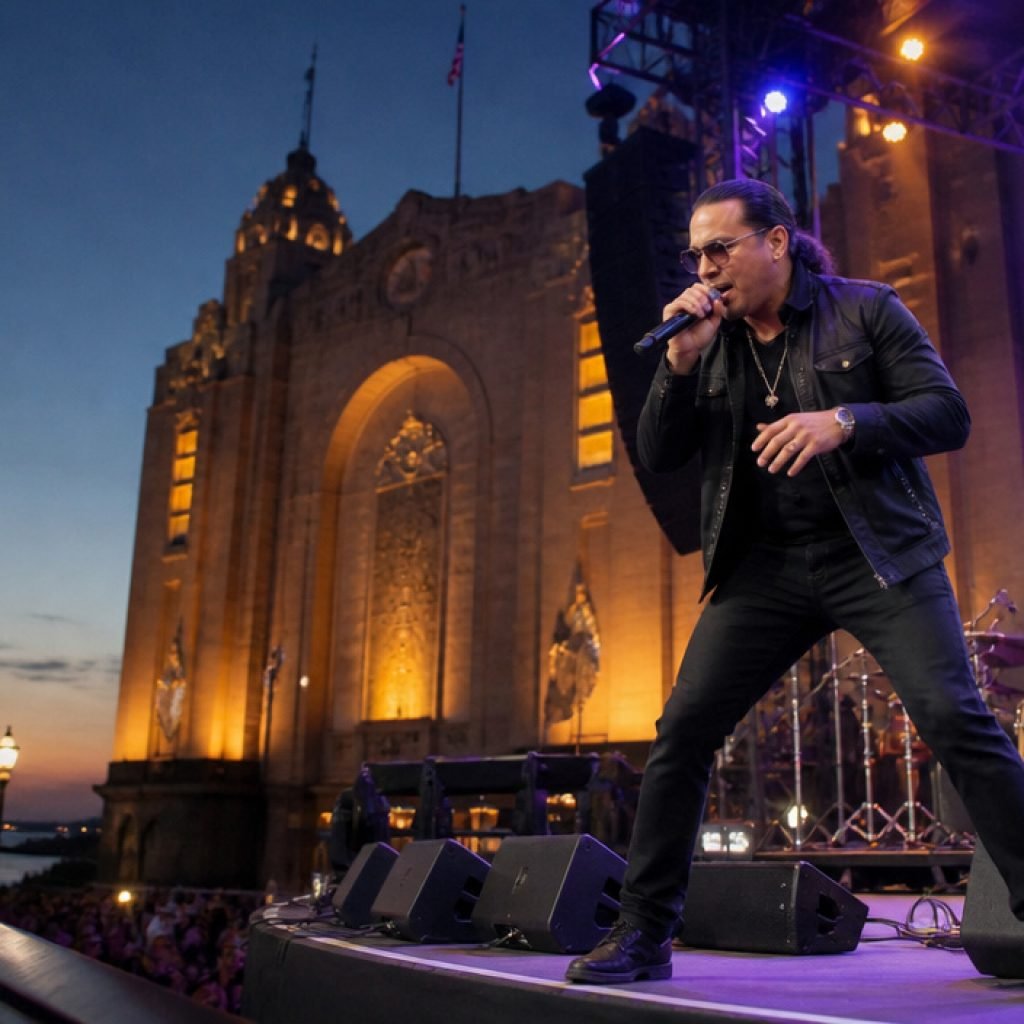
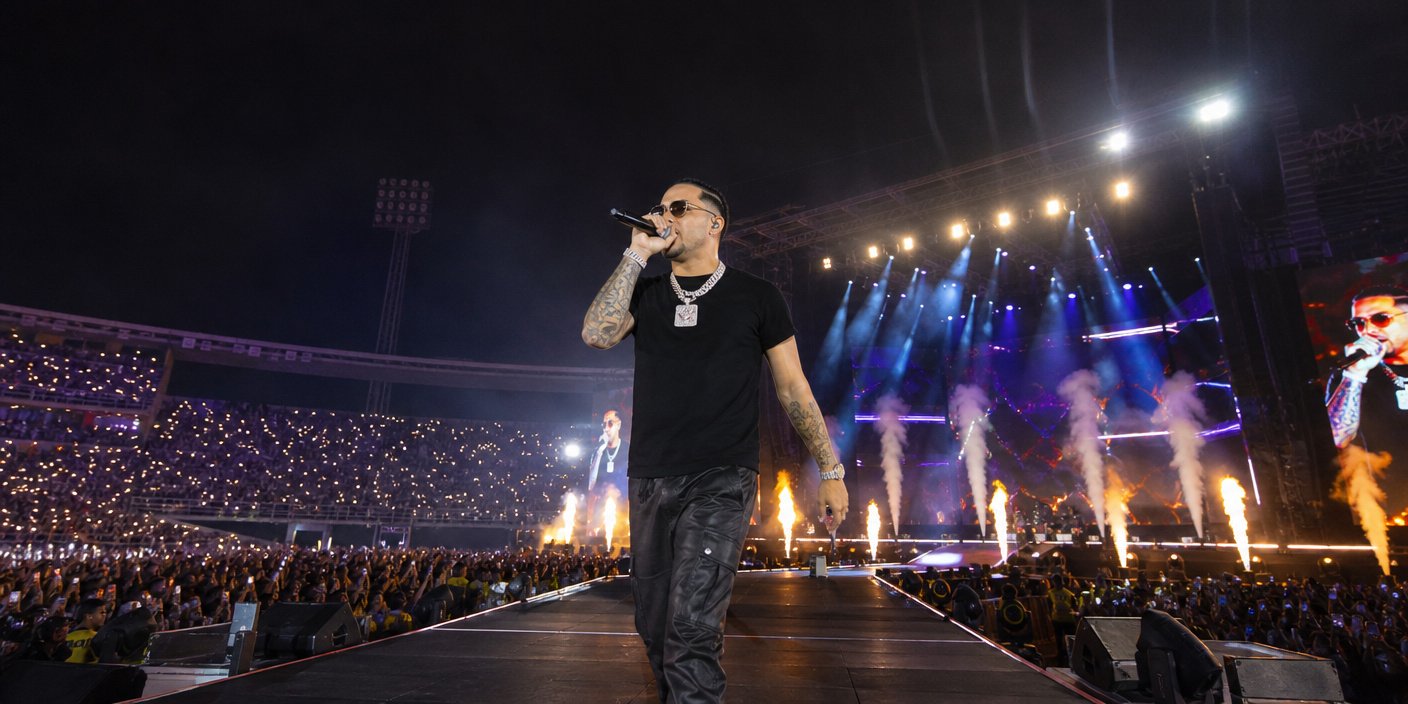
Colombian reggaeton sensation Ryan Castro has officially confirmed the final leg of his monumental “SENDÉ THE LAST DANCE” tour, setting the stage for a massive homecoming finale at Bogotá’s iconic Estadio El Campín. Following a banner year defined by the chart-topping success of his latest album, Hopi Sendé, and the viral dominance of his hit single “La Villa,” Castro is prepared to close this chapter with a historic performance that solidifies his ascent as a global reggaeton icon. This announcement marks not just the end of a touring cycle, but a significant milestone in the career of an artist who has become the voice of a generation in the Colombian urban scene.
The Rise of ‘Hopi Sendé’ and Global Reggaeton Dominance
The “SENDÉ THE LAST DANCE” tour has been more than a series of concert dates; it has been a sprawling exhibition of the power of modern Colombian reggaeton. The success of the tour is intrinsically linked to the critical and commercial reception of his latest album, Hopi Sendé. Since its release, the project has dominated global charts, effectively bridging the gap between traditional reggaeton rhythms and the evolving, experimental soundscapes that define the current Latin music landscape.
Industry analysts have pointed to the sonic versatility displayed in Hopi Sendé as the catalyst for the tour’s longevity. By blending high-energy club anthems with deeply personal, introspective lyrics, Castro has managed to cultivate a fanbase that is as broad as it is dedicated. The album’s production values have also set a new standard for urban Latin releases, creating a high-fidelity experience that the “SENDÉ THE LAST DANCE” tour successfully translated into live, high-octane stadium energy.
The Bogotá Finale: Estadio El Campín as the Ultimate Stage
Choosing Estadio El Campín for the final leg is a calculated and symbolic decision. For any artist of Colombian origin, performing at “El Campín” is the ultimate rite of passage. It is not merely a venue; it is a cultural institution. By positioning the grand finale in the heart of Bogotá, Castro is signaling his intent to celebrate with the very community that provided the foundation for his “El Cantante del Ghetto” persona.
This stadium show represents a significant logistical undertaking. The production for this final leg is rumored to be the most ambitious of the entire tour, featuring advanced pyrotechnics, immersive stage design, and a curated setlist that spans the highlights of his early career through the record-breaking success of “La Villa.” The event is expected to draw thousands of attendees, further cementing the venue’s status as the premiere destination for major international and local touring acts. Local tourism boards anticipate a significant economic impact, with fans traveling from across Latin America to witness the closing night of a tour that has redefined performance standards for the genre.
The Impact of ‘La Villa’
Central to the narrative of this tour is the undeniable impact of his single, “La Villa.” The track has functioned as a cultural touchstone, becoming ubiquitous across radio, streaming platforms, and social media. The song’s success provided the momentum necessary to extend the tour, demonstrating how a single viral hit can sustain an artist’s touring viability.
During the live performances, “La Villa” has consistently served as the setlist anchor. It is the moment where the crowd connection peaks, highlighting the song’s intricate production and rhythmic catchiness. The decision to conclude the “SENDÉ THE LAST DANCE” tour now, while the fervor surrounding the track is still at its zenith, is a strategic move that maximizes the cultural relevance of the entire project.
Looking Beyond the Stage: The Future of the ‘Ghetto’ Brand
As the curtain prepares to fall on this chapter, industry insiders are already speculating on the evolution of Castro’s brand. His movement, often referred to as the rise of the “Ghetto” sound, has successfully transitioned from niche Colombian urban markets to global prominence. This tour has provided the infrastructure—both in terms of fan reach and production capability—for Castro to explore international markets more aggressively in the future.
What comes next is likely a shift toward international collaborations and potentially a new studio project that builds upon the success of Hopi Sendé. The “SENDÉ THE LAST DANCE” tour has proven that Castro is not merely a localized phenomenon but a global entertainer capable of selling out the largest venues in the world. As he prepares to step off the stage at El Campín, the industry will be watching closely to see how he translates this momentum into his next career phase. Whether he leans further into the avant-garde reggaeton sound or returns to the raw, street-level storytelling that defined his early work, one thing is certain: Ryan Castro has effectively navigated the transition from local star to an international powerhouse.