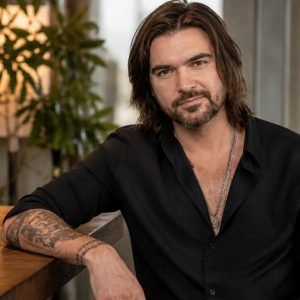
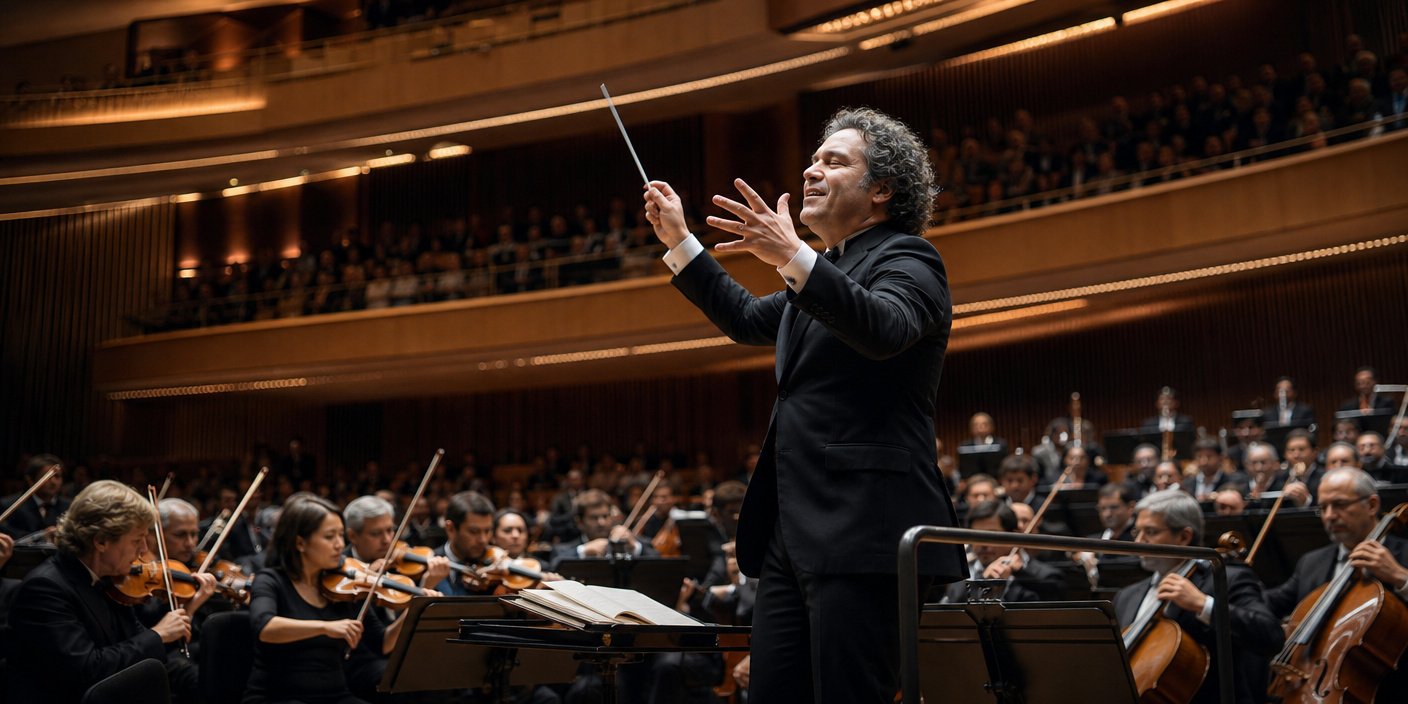
The New York Philharmonic stands on the precipice of a profound transformation. As the 2026-27 season approaches, the appointment of Gustavo Dudamel as the Music and Artistic Director signals more than just a change in leadership; it marks a fundamental shift in the identity of America’s oldest symphony orchestra. Dudamel, a conductor whose career has been defined by his ability to merge high-art excellence with radical accessibility, arrives at Lincoln Center with a clear mandate: to redefine what the classical canon represents in the 21st century.
Key Highlights
- Official Start Date: Gustavo Dudamel will assume the mantle of Music and Artistic Director for the New York Philharmonic starting in the 2026-27 season.
- Transitional Tenure: He concludes his historic 17-season tenure at the Los Angeles Philharmonic, where he transformed the organization into one of the most culturally vital ensembles in the world.
- Programming Philosophy: A central pillar of his vision is the diversification of the classical repertoire, specifically through the integration of Latin American composers and distinct musical traditions into mainstream programming.
- Institutional Impact: Dudamel aims to leverage the NY Philharmonic’s prestigious platform to act as a bridge between the traditional European-centric canon and a more inclusive, global auditory experience.
Orchestrating a Cultural Evolution in New York
The selection of Gustavo Dudamel to lead the New York Philharmonic is not merely an administrative hiring decision; it is a strategic repositioning of the orchestra within the global cultural zeitgeist. For over 180 years, the New York Philharmonic has been a bellwether for the American classical music establishment. By bringing in a conductor whose artistic DNA is inextricably linked to both the grand European tradition and the vibrant pulse of Latin American musical innovation, the board is betting on a future where the orchestra is less of a museum and more of a living, breathing community hub.
Bridging Traditions: The Latin American Influence
Dudamel has been vocal about his commitment to broadening the classical canon. In interviews regarding his upcoming transition, he emphasized that his programming will not treat Latin American music as an ‘add-on’ or a seasonal novelty. Instead, the goal is to integrate these traditions into the core of the orchestra’s mainstream narrative. This means programming symphonic works by composers like Alberto Ginastera, Silvestre Revueltas, and Arturo Márquez alongside Beethoven and Brahms, not as an afterthought, but as essential pillars of the repertoire.
This integration is pivotal for the New York Philharmonic’s relevance in an increasingly diverse city. By centering voices that have historically been marginalized in the symphonic space, Dudamel is effectively expanding the definition of ‘classical.’ He views this not as a political statement, but as an artistic necessity: to play music that reflects the diverse reality of the modern listener. For the Philharmonic, this signifies a departure from the strict, canon-heavy programming of the 20th century toward a more pluralistic approach that invites new audiences into the concert hall.
The 2026-27 Transition and Institutional Goals
The lead-up to the 2026-27 season is a period of intense preparation. The logistics of such a transition are significant. Dudamel is currently finalizing his tenure at the Los Angeles Philharmonic, where he built a massive, devoted following and established the Youth Orchestra Los Angeles (YOLA). The challenge in New York—a city with a vastly different history, acoustic environment at David Geffen Hall, and competitive landscape—will be to maintain his signature high-energy performance style while adapting to the unique pressures of the New York stage.
Industry analysts are watching closely to see how Dudamel manages the transition from the relatively younger, more flexible LA environment to the venerable, legacy-steeped atmosphere of the NY Phil. The expectation is that he will bring his ‘connectivity’ philosophy to New York—a belief that the conductor is a mediator between the composer, the musicians, and the audience, rather than an authoritarian figure. This shift in leadership style is expected to boost morale within the orchestra and drive record-breaking ticket interest among younger demographics who resonate with his populist, yet highly rigorous, artistic approach.
Pedagogical Foundations: Music as a Human Right
Beyond the baton, Dudamel’s influence will likely extend to education. His roots in El Sistema—the Venezuelan music education program that provides free musical training to hundreds of thousands of children—serve as the foundation for his professional ethics. He has consistently championed music education as a social tool for empowerment. It is highly anticipated that he will initiate collaborative programs in New York, seeking to replicate the success of his community-building efforts in Los Angeles. This focus on education is not just philanthropic; it is a long-term strategy to cultivate the next generation of symphony subscribers and musicians, ensuring the long-term sustainability of the New York Philharmonic in a digital-first entertainment economy.
FAQ: People Also Ask
1. When does Gustavo Dudamel start at the New York Philharmonic?
Gustavo Dudamel is slated to officially begin his tenure as the Music and Artistic Director of the New York Philharmonic starting in the 2026-27 season.
2. Is Gustavo Dudamel leaving the Los Angeles Philharmonic?
Yes, his appointment in New York marks the conclusion of his historic 17-season tenure as the Music and Artistic Director of the Los Angeles Philharmonic.
3. What is the main focus of Dudamel’s artistic vision?
His primary focus involves broadening the classical music canon by integrating Latin American composers and musicians into the mainstream programming, while simultaneously expanding the orchestra’s educational and community outreach.
4. Why is this appointment considered a major shift for the NY Philharmonic?
Dudamel is the first Latino conductor to lead the NY Philharmonic, and his reputation for modernizing the concert experience is expected to bring a significant cultural shift to the institution, making it more inclusive and globally oriented.