The 1968 album ‘Acid’ by percussionist and bandleader Ray Barretto remains a defining artifact of the late-1960s New York music scene. Released during a volatile and creative period for Fania Records, the album transcended the boundaries of the then-popular Boogaloo movement, offering a more sophisticated, jazz-inflected approach to Latin music. As a pivotal entry in the Fania catalog, ‘Acid’ captured the intersection of uptown Latin culture, downtown jazz sensibilities, and the burgeoning consciousness of the urban American experience. It is not merely a collection of dance tracks; it is a sonic document of a city in flux.
Key Highlights
- Cultural Synthesis: ‘Acid’ bridges the gap between the chaotic, fun-loving Boogaloo era and the more disciplined ‘Salsa dura’ that would define the 1970s.
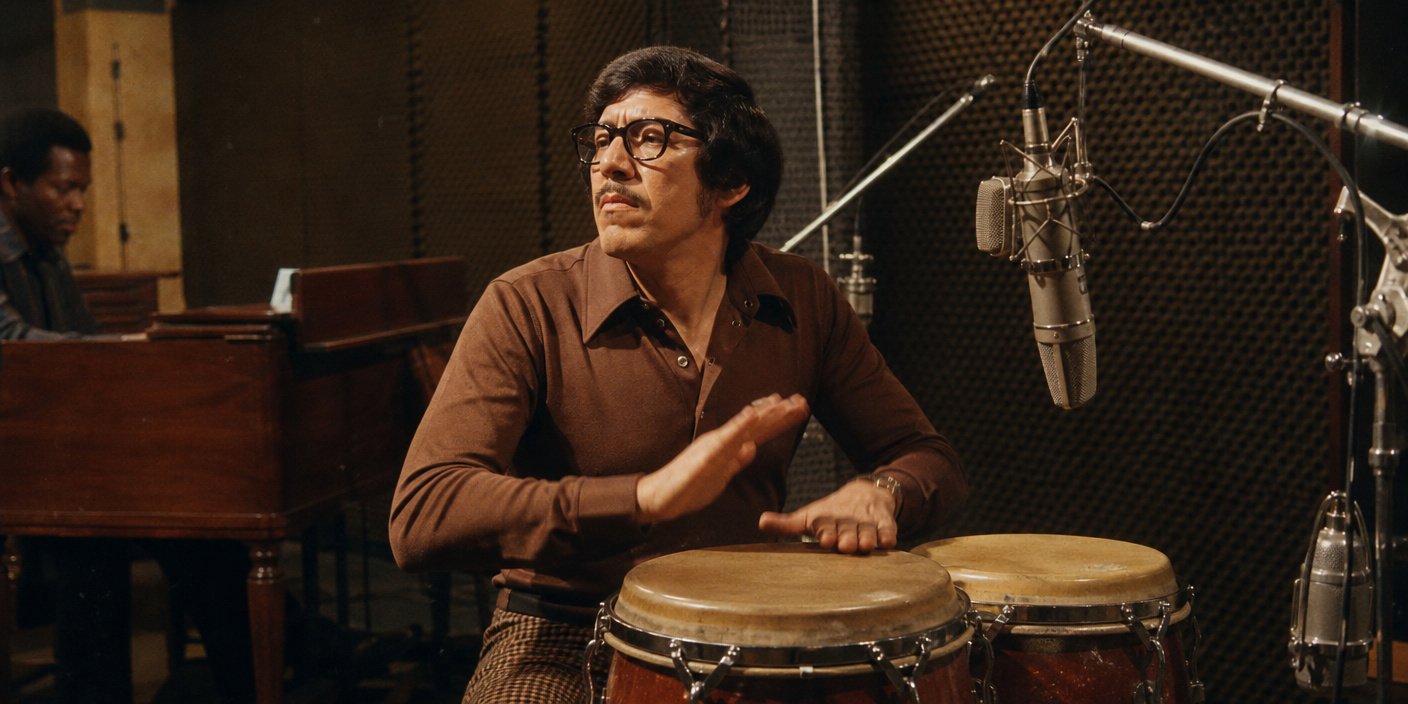
- Production Mastery: The album is noted for its raw, organic recording quality, highlighting Barretto’s distinct, heavy-hitting conga style and tight horn arrangements.
- Fania Records Anchor: It serves as a cornerstone of the Fania Records catalog, helping to establish the label as the preeminent voice for Latin music in the United States.
- Enduring Influence: Tracks like ‘A Deeper Shade of Soul’ have been sampled and referenced repeatedly in modern hip-hop and electronic music, proving the timeless quality of the record’s rhythmic foundations.
The Sonic Architecture of 1968
The late 1960s in New York City was a period of intense artistic experimentation, particularly within the Latin music communities of the Bronx and Spanish Harlem. Ray Barretto, already an established percussionist who had played with legends like Dizzy Gillespie and Tito Puente, was in a unique position to influence the direction of the genre. With ‘Acid,’ Barretto didn’t just record a Latin album; he recorded a New York album.
The Intersection of Jazz and the Streets
‘Acid’ occupies a rare space between the dance halls of the Palladium and the gritty, soul-infused clubs of Manhattan. The title track, ‘Acid,’ is a hypnotic, relentless groove that utilizes a prominent Hammond B3 organ—an instrument more commonly associated with soul and gospel than traditional salsa. By introducing these textures, Barretto signaled that the Latin sound was not static; it was absorbing the sonic landscape of its environment. The interplay between the driving conga patterns and the brass section creates a tension that is simultaneously aggressive and melodic. This was music for the streets, yet it demanded the attention of jazz critics.
Analyzing the ‘Acid’ Sound: Beyond the Boogaloo
While 1968 was the tail end of the Boogaloo craze—a fusion of Latin rhythms and R&B—’Acid’ purposefully avoided the kitsch that often bogged down that genre. Barretto kept his rhythms tight and grounded. In ‘A Deeper Shade of Soul,’ one can hear the blueprint for the complex, funk-driven rhythms that would dominate the next decade. The record features a sharp, clinical separation of instruments, allowing each element of the percussion—the cowbell, the quijada, the guiro—to cut through the mix with crystalline clarity. This precision was not incidental; it was the mark of a bandleader who understood the physical demand of his audience.
A Visual and Sonic Artifact: The Fania Legacy
Fania Records, founded by Johnny Pacheco and Jerry Masucci, was in the process of building an empire. ‘Acid’ was released at a time when the label was shifting from a niche imprint to a powerhouse. The cover art itself—an abstract, swirling liquid depiction of ‘acid’—signaled a psychedelic departure from the typical band photos found on Latin albums at the time. This aesthetic choice was intentional, aligning the record with the counterculture movement of the era without sacrificing the integrity of the Afro-Cuban roots. The production quality was rugged and immediate, avoiding the polished, sometimes sterile, sheen of later commercial productions.
Sociopolitical Resonance
It is impossible to discuss the music of 1968 without addressing the sociopolitical climate. The Civil Rights Movement and the growing Nuyorican identity movement were deeply intertwined. For listeners in the barrios, the music of Ray Barretto provided a sense of dignity and cultural pride. ‘Acid’ served as a rallying point for a generation navigating the pressures of urban poverty, assimilation, and the struggle for representation. When the horn section kicks in on tracks like ‘The New Hawkins,’ it is not just a musical flourish; it is an assertion of presence, a declaration that this sound belongs to the center of the American cultural map.
Long-Term Impact and Sampling History
The technical excellence of the percussion work on ‘Acid’ eventually made it a treasure trove for hip-hop producers in the 1990s and 2000s. The breakbeats embedded in tracks like ‘Acid’ and ‘Together’ have been looped by artists ranging from legendary DJ crews to experimental electronic producers. This cross-generational appeal underscores the genius of Barretto’s arrangement. By focusing on the ‘pocket’—the precise moment where the groove settles and compels movement—Barretto created music that functions on a primal level. The album stands as a testament to the idea that authenticity is the highest form of commercial appeal. In retrospect, ‘Acid’ did not merely reflect the music of 1968; it projected the evolution of the genre into the 1970s and beyond, setting the bar for every percussion-led ensemble that followed in its wake.
FAQ: People Also Ask
1. Why is the album titled ‘Acid’?
Despite the psychedelic associations of the late 1960s, the title refers to the ‘acid’—the sharp, biting, and intense quality of the music and the raw, unpolished energy of the recording session, which stood in contrast to the smoother Latin jazz of the time.
2. Did this album change the direction of Fania Records?
Yes, ‘Acid’ helped pivot Fania Records toward a more ‘barrio-centric,’ gritty sound that eventually paved the way for the ‘Salsa dura’ explosion of the 1970s, moving away from the more commercialized Boogaloo.
3. Is Ray Barretto’s ‘Acid’ considered Jazz or Soul?
It is a hybrid. The album functions as a fusion piece, successfully blending Afro-Cuban jazz structures with the rhythmic sensibilities of American soul and funk, making it difficult to categorize under a single genre label.