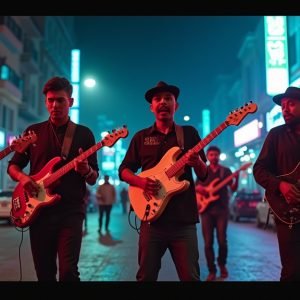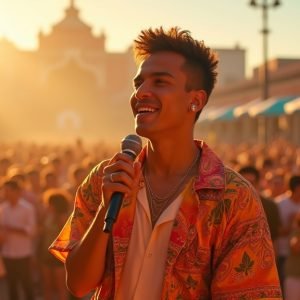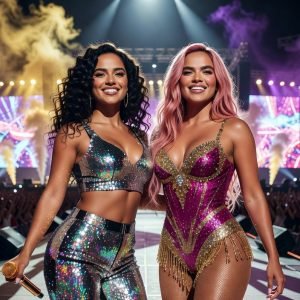
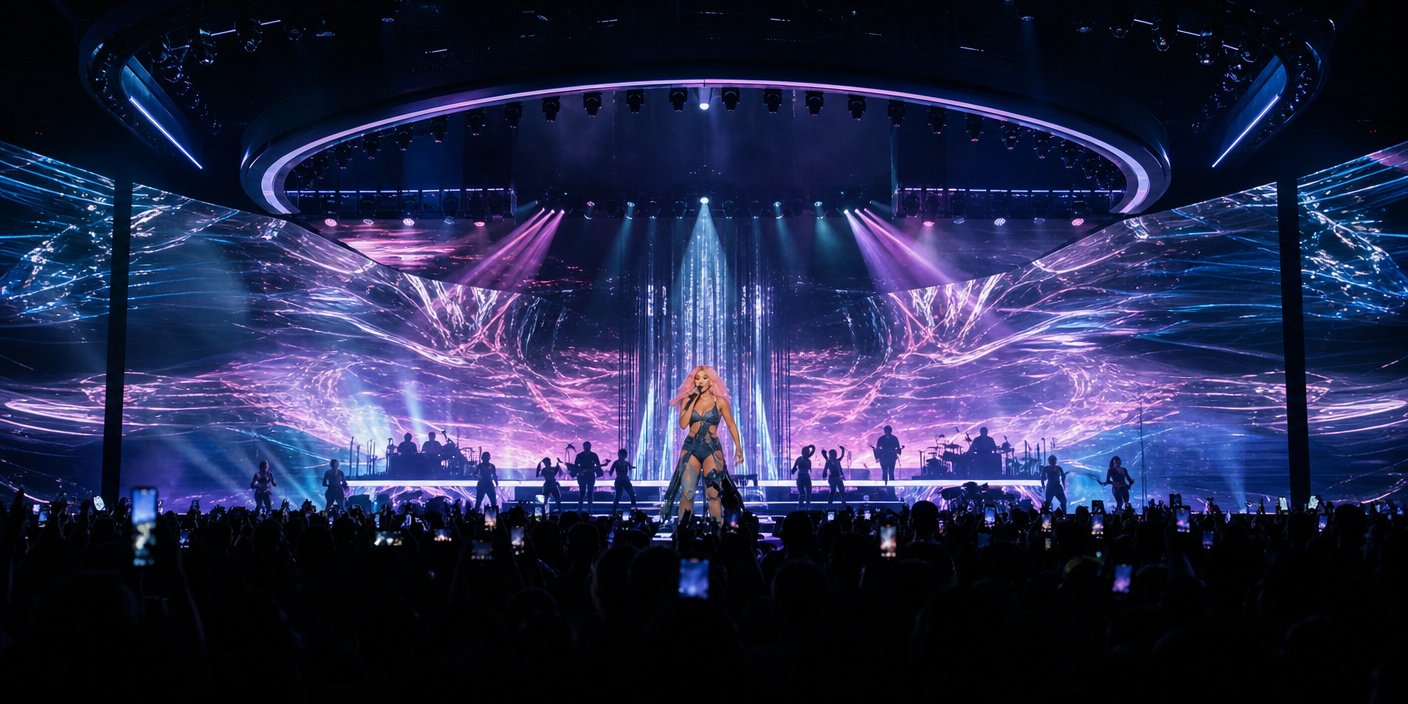
Latin music’s grip on the U.S. touring market tightens this October 2026, as global superstars Karol G, Chayanne, and Don Omar spearhead a massive wave of concert events across the country. As the industry moves into the final quarter of the year, these three distinct titans of the genre are not only filling arenas but are fundamentally reshaping the concert-going landscape in North America, proving that the demand for Latin music has moved well beyond niche audiences to become a dominant force in the mainstream touring economy.
Key Highlights
- Triple-Threat Lineup: Karol G, Chayanne, and Don Omar are headlining concurrent U.S. tours throughout October 2026, marking one of the most concentrated periods of Latin music performances in recent history.
- Cross-Generational Reach: The lineup bridges the gap between reggaeton pioneers, modern pop icons, and enduring romantic balladry, capturing a diverse demographic that spans multiple generations of concert-goers.
- Economic Impact: These high-demand tours are projected to generate significant revenue for major U.S. metropolitan hubs, driving tourism, hospitality bookings, and local service industry spikes in every host city.
- Technological Spectacle: The 2026 touring cycle for these artists showcases unprecedented levels of stage production, including interactive LED environments and hyper-localized visual storytelling.
Latin Rhythms Define the October 2026 Concert Landscape
The U.S. live music industry has long sought the secret to consistent, high-volume ticket sales. This October, the answer is found in the rhythmic, high-energy performances of Latin America’s biggest stars. While the summer festival circuit often dominates headlines, the October 2026 schedule has revealed a sophisticated strategic shift: the “Latin Takeover” is no longer a seasonal trend but a year-round pillar of the touring market.
The Power of the Triad: Karol G, Chayanne, and Don Omar
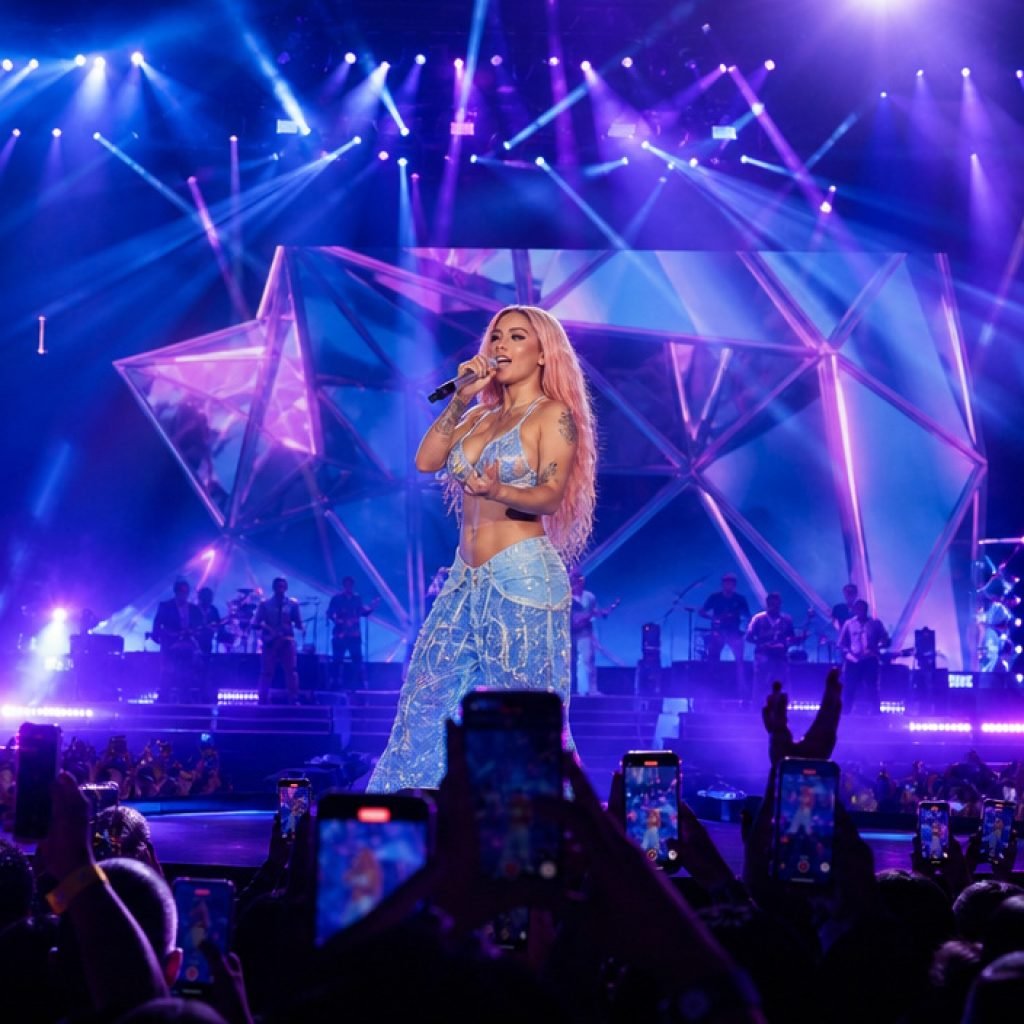
The success of this current touring wave is largely attributed to the distinct positioning of its three primary leaders. Karol G, representing the massive global appetite for reggaeton and urbano, continues to sell out venues with a production aesthetic that emphasizes female empowerment and high-octane choreography. Her October dates are widely viewed as the centerpiece of this autumn’s concert calendar, acting as a magnet for younger demographics and social-media-driven ticket purchases.
In contrast, the inclusion of Chayanne provides a crucial demographic anchor. A veteran of the industry with a catalog spanning decades, Chayanne captures the sentimental and romantic market. His presence in the October lineup speaks to the “legacy appeal” that keeps the Latin music economy stable. Industry analysts have noted that the intergenerational nature of his fan base—often seeing mothers and daughters attending together—provides a unique ticket velocity that newer acts struggle to match.
Don Omar, meanwhile, represents the foundational legacy of the genre. As a reggaeton pioneer, his tour is less about the pop-gloss production and more about the cultural significance of the movement. For many cities on his tour route, these dates are treated as milestone cultural events, effectively anchoring the “Latin music” brand within the broader U.S. concert ecosystem.
Economic Impact: The “Latin Factor” in Urban Revenue
The economic implications of this touring convergence are staggering. Data from major ticketing aggregators indicates that Latin music tours now command some of the highest per-capita spending at venues, driven by strong merchandise sales and high-occupancy event experiences. Cities hosting these tours—including major markets like Miami, Los Angeles, and New York, as well as secondary markets like San Antonio and Charlotte—are reporting significant “spillover” revenue.
Hotels, restaurants, and local transport authorities in these host cities are tracking a measurable uptick in activity during show weekends. The “Latin Factor” in urban revenue is characterized by a concentrated spend: fans of these artists often travel from neighboring states, creating a “mini-tourism” effect. For the 2026 season, local chambers of commerce have begun specifically targeting these concert dates for promotional campaigns, acknowledging that the draw of stars like Karol G and Don Omar acts as a powerful economic catalyst.
Production Values: A New Era of Concert Spectacle
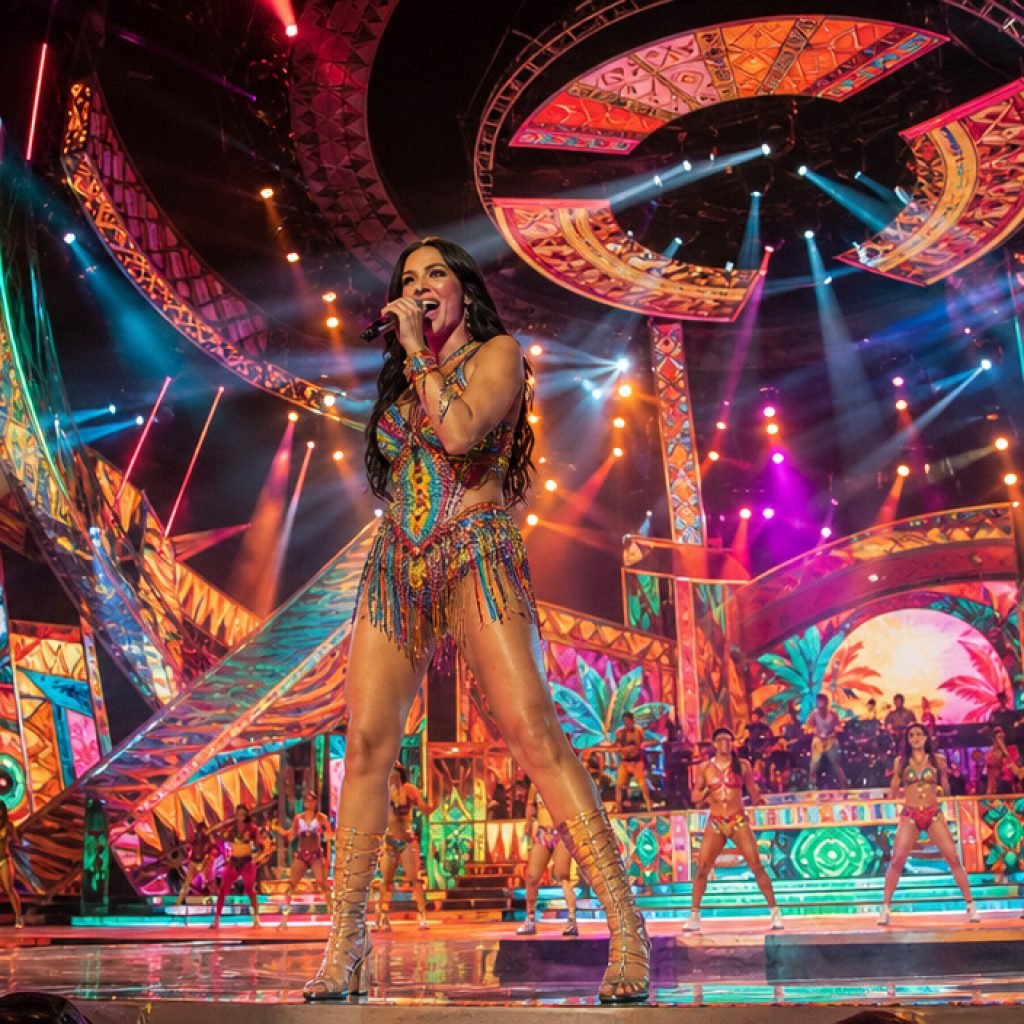
It would be a mistake to view these tours solely through the lens of music; they are, in reality, large-scale theatrical productions. The October 2026 lineup sets a new bar for concert technology. Karol G’s tour, in particular, has been praised for its integrated LED stage designs, which synchronize lighting and digital visuals with the rhythm of the music in real-time. This technological investment is not mere vanity; it is a necessity in a modern touring environment where fans expect an immersive, “Instagrammable” experience.
Chayanne and Don Omar have adopted similar, albeit thematically distinct, approaches. Where Karol G leans into futuristic, high-contrast visual environments, the more traditional tours are utilizing massive, high-definition projection mapping to create intimacy in sprawling arenas. This technical arms race is pushing venues to upgrade their capabilities, with many mid-tier arenas investing in fiber-optic infrastructure and reinforced rigging systems specifically to accommodate these massive, data-heavy production sets.
As the October dates proceed, it is clear that the Latin music industry is setting the standard for how touring acts should engage with modern audiences. By combining massive, cross-generational appeal with cutting-edge production technology and a robust economic footprint, Karol G, Chayanne, and Don Omar are not just touring—they are defining the sound and the shape of American live entertainment in the mid-2020s.
FAQ: People Also Ask
1. Which cities are seeing the highest ticket demand for the October 2026 Latin tours?
Demand is currently peaking in metropolitan areas with high Latino populations, specifically Miami, Los Angeles, Chicago, and Houston. However, organizers have noted surprising ticket velocity in cities like Las Vegas and Atlanta, suggesting the reach of these artists has successfully expanded far beyond traditional strongholds.
2. How are ticket prices for these concerts comparing to other major tours?
While ticket prices fluctuate based on venue capacity and secondary market demand, the Latin music segment is currently showing stable, high-value pricing. There is less “price volatility” compared to some pop acts, suggesting that the fan base for Karol G, Chayanne, and Don Omar is highly committed and willing to pay premium prices for guaranteed event access.
3. Will there be additional dates added to these tours later in the year?
While the current focus is on the October 2026 lineup, touring schedules for major artists are rarely static. Promoters often add “leg two” dates depending on the financial performance of the first run. Interested fans should monitor official artist channels for late-breaking announcements regarding tour extensions.
4. Is there a specific dress code or theme for these concerts?
While not mandatory, attending these concerts has become a fashion event in itself. Fans of Karol G often incorporate the singer’s signature color palettes and streetwear-meets-glam aesthetic into their outfits, while Chayanne and Don Omar crowds often lean into a mix of sophisticated casual and high-energy concert attire.