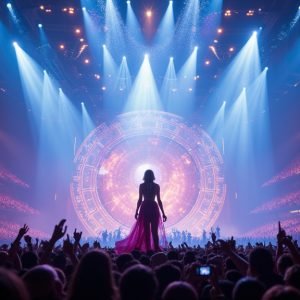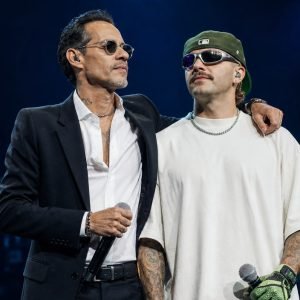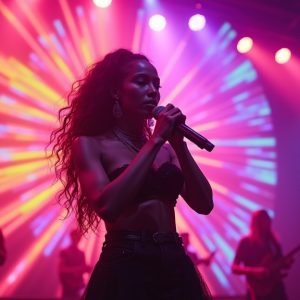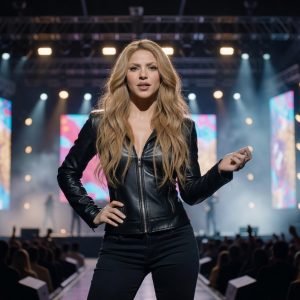
The United States is currently experiencing an unprecedented cultural and economic shift in the live music sector, characterized by a massive influx of Latin American talent dominating major venues throughout October 2026. This is not merely a seasonal trend; it is the culmination of a decade-long expansion that has seen Latin music transition from niche market appeal to a central pillar of the American touring economy. As fans across the country flock to stadiums and arenas, the month of October has effectively become a showcase for the diversity, scale, and immense drawing power of the Hispanic music industry.
The Titans Leading the Stage
The current touring landscape is headlined by three distinct icons, each representing a different facet of the Latin music evolution. Karol G, arguably the current empress of reggaeton, continues to sell out venues with production values that rival the world’s biggest pop stars. Her tour stops this October are serving as the anchor for ticket sales in major metropolitan hubs, signaling a shift where Spanish-language artists are now the primary draw for record-breaking revenue.
Parallel to this, the enduring legacy of artists like Chayanne and Don Omar provides a multi-generational appeal that sustains this October surge. Chayanne brings the classic, high-energy pop sensibilities that have captivated audiences for decades, ensuring that the venues are not just filled with Gen Z fans, but a broad demographic that spans from Boomers to Millennials. Meanwhile, Don Omar, a pioneer of the reggaeton genre, utilizes his massive catalog to command high-energy performances that bridge the gap between early 2000s nostalgia and the modern urban explosion. This triumvirate—Karol G, Chayanne, and Don Omar—demonstrates the sheer breadth of the market; it is a holistic ecosystem that thrives on both cutting-edge innovation and time-honored star power.
Economic Engines and Urban Impact
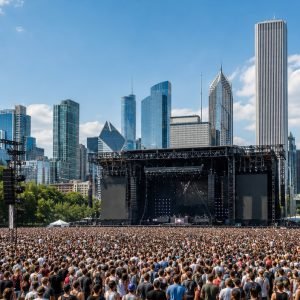
The economic implications of this touring volume are significant. When artists of this caliber tour, they bring more than just music; they mobilize logistics, hospitality, and local vendor services on a massive scale. Cities like Miami, Los Angeles, New York, and Houston are reporting a notable “Latin Music Premium” in local economic activity. This includes spikes in hotel occupancy, restaurant bookings, and public transportation utilization during concert weeks. Unlike smaller, more sporadic touring acts, the production scale required for a Karol G or Don Omar tour creates a micro-economy within host cities, often requiring hundreds of local temporary workers for load-ins, security, and event management.
Furthermore, the integration of Latin artists into major mainstream venue circuits, often managed by entities like Live Nation or AEG, has normalized the presence of Spanish-language performance as a standard high-revenue driver. This is a departure from the “crossover” mentality of the 2000s, where Latin artists were often treated as secondary or festival-specific acts. In October 2026, the playing field has been leveled completely.
The Future of the Latin Touring Circuit
Looking beyond the October calendar, the trajectory for Latin music in the US appears to be moving toward permanent residency in the top-tier of touring revenue. The success observed this month suggests that demand is not only keeping pace with supply but is actually outpacing it. As organizers plan for 2027, the focus is shifting toward secondary and tertiary markets. Historically, Latin tours were concentrated in traditional hubs. However, the data from October 2026 indicates that audiences in smaller, non-traditional cities are showing high demand, prompting promoters to expand their routing.
This expansion is bolstered by the digital consumption habits of the audience. With platforms like Spotify and Apple Music providing granular data on where listeners are located, promoters are no longer guessing where the fans are; they are following the data. This data-driven approach to tour routing, combined with the star power of figures like Chayanne and the urban dominance of Karol G, is creating a self-sustaining cycle of growth that shows no signs of slowing down.
Evolving Production Values
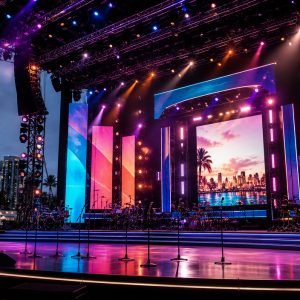
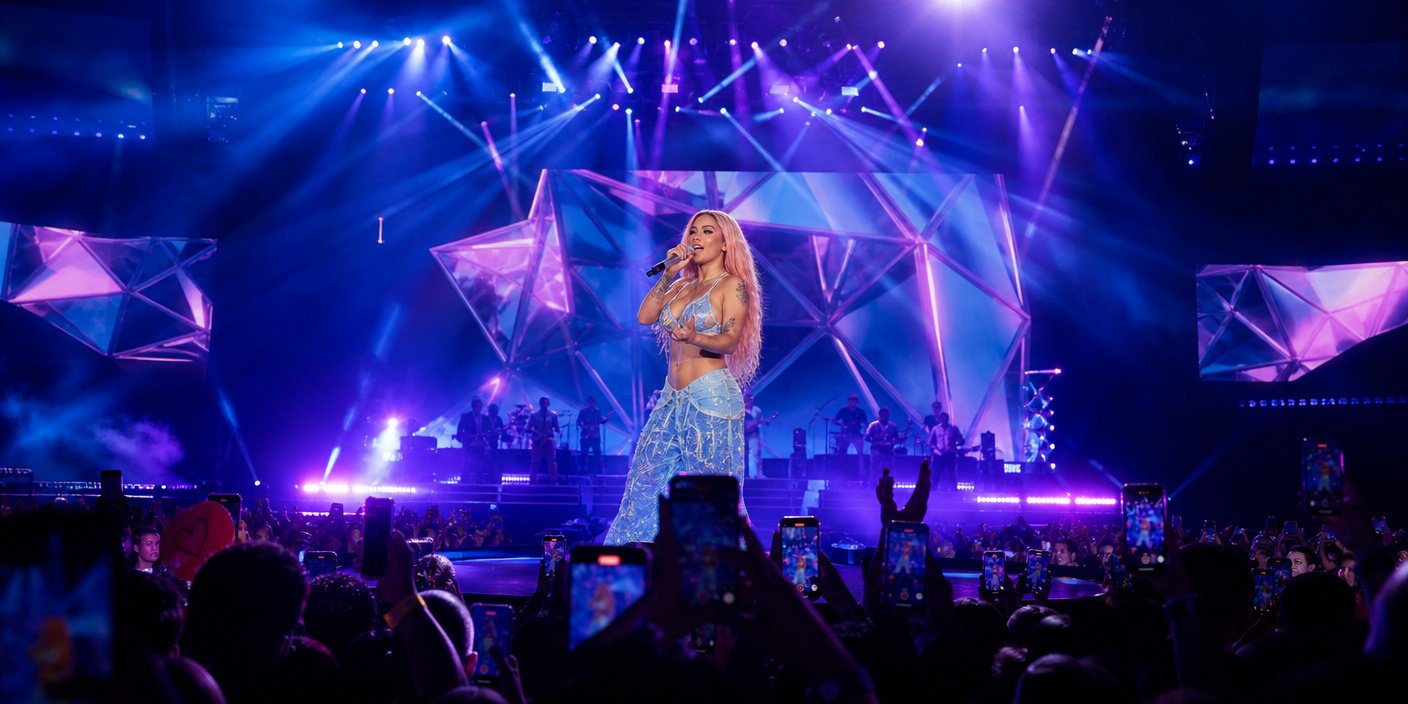
Another critical secondary angle is the technical escalation of these tours. The shows in October 2026 are setting new benchmarks for visual production. From immersive LED stage designs that sync with rhythmic beats to the complex choreography that characterizes the performances of Chayanne and the urban swagger of Karol G’s stage presence, the bar has been raised. Fans now expect a “spectacle” experience, not just a concert. This investment in production quality is a strategic move to ensure these acts remain competitive in a landscape that is increasingly crowded with entertainment options. As these artists continue to dominate, the infrastructure surrounding them—from stage technology to ticketing platforms—is maturing alongside the genre.