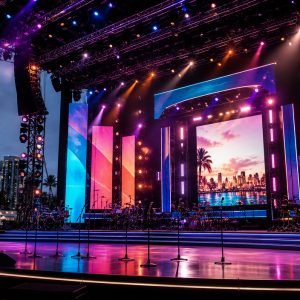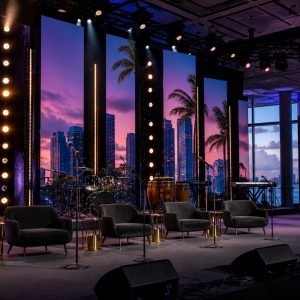
The Grammy Museum has officially inaugurated “Latin Music Appreciation Day,” a landmark initiative designed to honor the historical trajectory and explosive global influence of Latin music artists. This new fixture on the cultural calendar serves as a focused platform to celebrate the technical mastery, rhythmic diversity, and socio-political contributions of Latin musicians, bridging the gap between historical archival preservation and modern fan engagement.
Key Highlights
- Formal Recognition: The establishment of an annual “Latin Music Appreciation Day” provides a dedicated timeframe for the Museum to showcase its extensive collection of Latin music artifacts.
- Educational Integration: The initiative includes new workshops and masterclasses aimed at students and aspiring industry professionals, focusing on the history and business of Latin music.
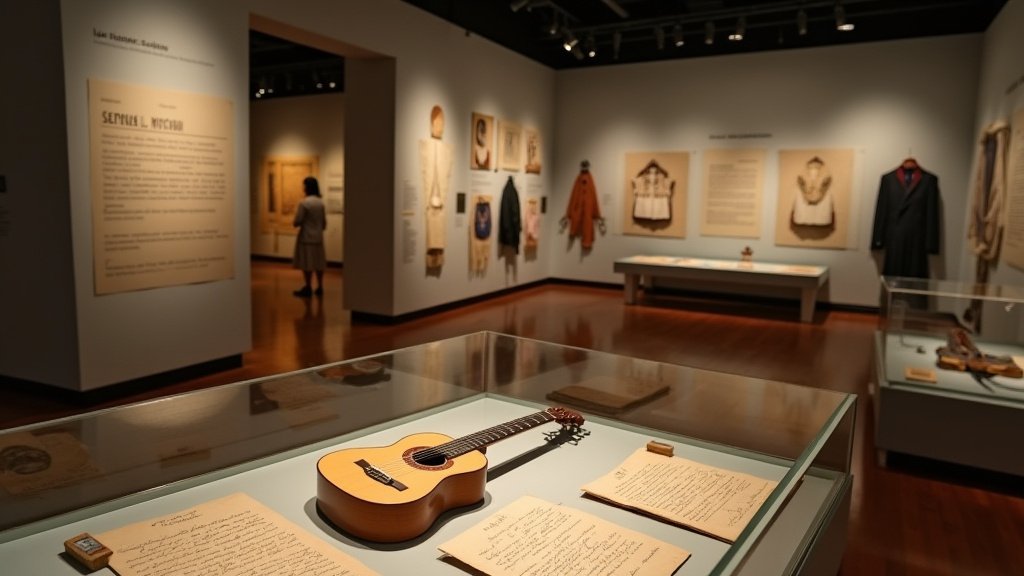
- Archive Activation: The museum will leverage its proprietary archives to highlight rare instruments, handwritten lyrics, and performance memorabilia from legendary Latin artists.
- Strategic Cultural Alignment: This day aligns with broader efforts by the Recording Academy and the Latin Recording Academy to ensure accurate historical documentation of Latin music’s evolution.
Honoring the Rhythm: The Grammy Museum’s New Strategic Initiative
The launch of Latin Music Appreciation Day marks a significant shift in how cultural institutions curate and acknowledge the contribution of non-Anglo genres within the American museum landscape. By codifying this day, the Grammy Museum is not merely creating a calendar event; it is reinforcing its commitment to the global music community by providing a permanent platform for the celebration of Latin artistic legacy.
The Cultural and Historical Imperative
Latin music has long been a foundational pillar of global pop culture, yet its systematic documentation within major institutional archives has often lagged behind the genre’s popularity. The creation of this day directly addresses this gap. The Museum’s curators have signaled that this initiative will prioritize the “backstory” of the music—the evolution of regional styles from the Caribbean, South America, and the Iberian Peninsula into the global powerhouse that currently dominates streaming charts.
For the Grammy Museum, this is about more than just entertainment; it is about education. The initiative will serve as an anchor for academic lectures, bringing musicologists and industry veterans together to discuss the impact of artists who have shaped the sounds of Reggaeton, Salsa, Merengue, and Latin Pop. By anchoring these conversations in a specific, dedicated day, the museum ensures that these discussions are not scattered but are instead concentrated, allowing for deeper engagement from the public and the media alike.
Economic and Global Impact: A Sector in Evolution
When examining the rise of Latin music, the numbers are undeniable. Latin music consumption has experienced double-digit growth in streaming numbers year-over-year, becoming a dominant force in the global music business. The Grammy Museum’s decision to elevate this genre acknowledges this economic reality.
However, the institution is careful to balance modern popularity with historical respect. The initiative will examine how Latin music became an economic juggernaut, analyzing the crossing-over of sounds and the role of the Latin Recording Academy in fostering professional development for Latin producers, engineers, and songwriters. This secondary angle—the professionalization of the Latin music industry—is a cornerstone of the new programming. Students attending the museum’s seminars will learn not just about the hits, but about the rights management, production techniques, and marketing strategies that have allowed Latin artists to transcend linguistic barriers.
Preservation as a Pillar
At the core of the Grammy Museum’s mission is the preservation of artifacts. The “Latin Music Appreciation Day” will serve as a launchpad for rotating exhibits featuring iconic items from the vault. This could range from the original manuscript of a pivotal composition to the specific instruments used during historically significant studio sessions. By displaying these items, the museum provides a tangible connection to the creative process, offering a level of intimacy that digital streaming cannot replicate.
This focus on preservation also serves a secondary purpose: it validates the genre as a formal study of musicology. By treating a Latin artist’s microphone, notebook, or stage outfit with the same archival rigor as a rock or pop icon’s artifacts, the museum asserts the equal standing of Latin music in the pantheon of cultural history. This is vital for future generations, ensuring that the stories behind the music are not lost to time or neglect.
Future Outlook and Community Outreach
Looking forward, the Grammy Museum intends to expand this day into a week-long series of events in the coming years. By fostering relationships with Latin-based community organizations, schools, and cultural centers in Los Angeles and beyond, the museum aims to broaden its demographic reach. The goal is to move the museum from a destination that houses objects to a dynamic community hub that creates connections.
As the industry continues to evolve, the distinction between “Latin music” and “global music” continues to blur. The Grammy Museum’s initiative is a proactive step in recognizing that the future of music is intrinsically tied to the innovation and vibrancy currently emerging from the Latin music sector. Through this dedication of time and resources, the institution secures its relevance for the next decade of listeners and creators.
FAQ: People Also Ask
Q: What is the primary purpose of Latin Music Appreciation Day at the Grammy Museum?
A: The primary purpose is to celebrate the contributions of Latin music to the global music landscape, utilizing the Museum’s educational and archival resources to foster a deeper understanding of the genre’s history and impact.
Q: Will this initiative include new exhibits?
A: Yes, the Grammy Museum has indicated that the day will be used to highlight specific artifacts, documents, and historical instruments from its archives, often serving as a focal point for rotating exhibits.
Q: How does this initiative support aspiring musicians?
A: The program includes educational workshops, masterclasses, and panels led by industry professionals, focusing on both the artistry and the business side of the Latin music industry.
Q: Is this announcement related to the Latin Recording Academy?
A: While managed by the Grammy Museum, the initiative works in tandem with the broader goals of the Recording Academy and the Latin Recording Academy to promote and preserve Latin music excellence.