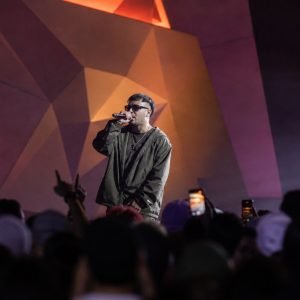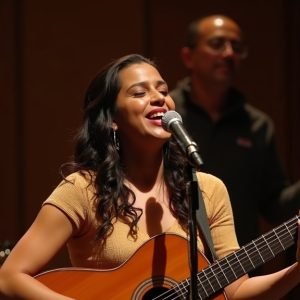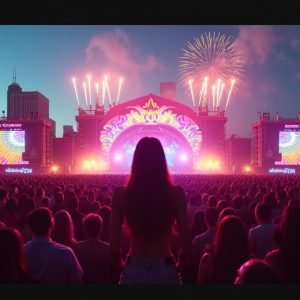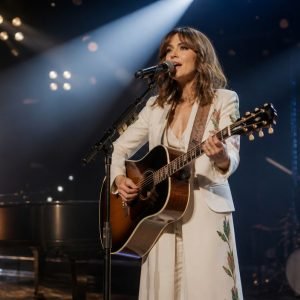
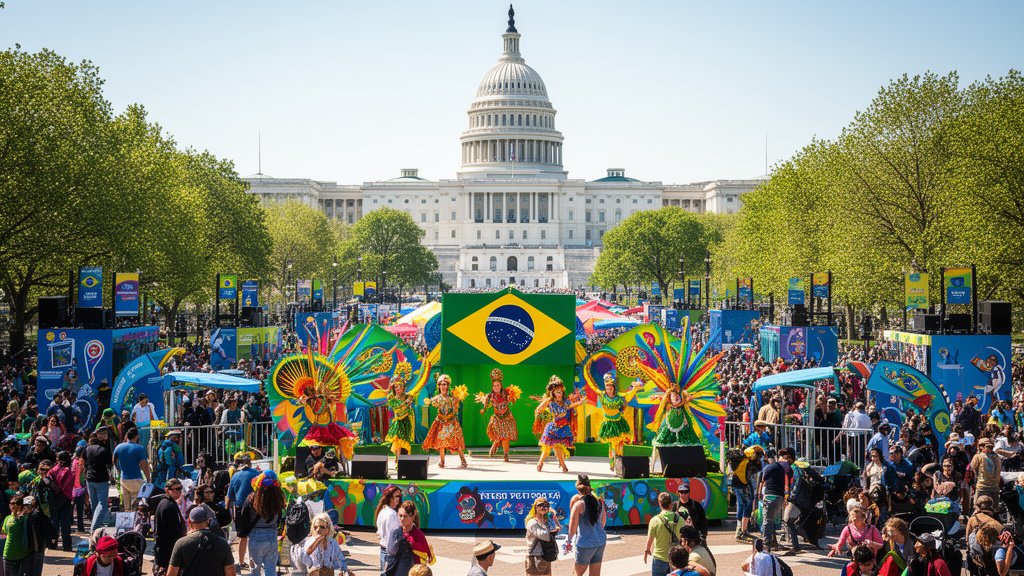
Fiesta DC, the nation’s largest Latino festival, has officially returned to the heart of Washington, D.C., for its highly anticipated 2026 edition, running from September 26 through September 27, 2026. Transforming Pennsylvania Avenue into a kaleidoscope of colors, rhythmic beats, and culinary delights, the festival continues its longstanding tradition of celebrating the rich tapestry of Latin American heritage. This year, the event has taken a distinct turn toward the intersection of athletics and culture, operating under the ambitious theme ‘Sports Across the Americas,’ while shining a spotlight on Brazil as the official Country of Honor.
Key Highlights
- Dates: The festival spans September 26-27, 2026, featuring a weekend of parades, performances, and public exhibits.
- Theme: ‘Sports Across the Americas’ explores the deep, historical relationship between Latin American sporting culture and community building.
- Country of Honor: Brazil takes center stage this year, with dedicated pavilions and performances showcasing the nation’s unique contribution to music, dance, and athletics.
- Location: The main festivities are concentrated along Pennsylvania Avenue, drawing record crowds to the nation’s capital.
The Cultural Phenomenon of Fiesta DC 2026
The return of Fiesta DC 2026 marks a pivotal moment for the District of Columbia. As the event solidifies its reputation as the largest Latino festival in the United States, organizers have elevated the 2026 iteration to address deeper cultural narratives. The decision to adopt ‘Sports Across the Americas’ as the central theme is not merely cosmetic; it is a tactical effort to weave together the disparate histories of athletic competition throughout North, Central, and South America.
From the ancient ballgames of Mesoamerica to the modern dominance of regional soccer leagues, the theme serves as a connective tissue between the thousands of attendees. By focusing on sports, the festival organizers—led by the Fiesta DC leadership and local cultural stakeholders—have successfully bridged generational gaps. Elder generations share stories of historic regional matches, while younger attendees engage with the athletic displays and interactive exhibits that populate the parade route.
Honoring Brazil: A Bridge to the Amazon
Central to this year’s experience is the designation of Brazil as the Country of Honor. The Brazilian delegation has brought an unprecedented level of production value to the festival. Traditional Samba troupes perform alongside capoeira demonstrations, transforming the mid-afternoon energy on Pennsylvania Avenue into a high-octane celebration reminiscent of Carnival.
Beyond the aesthetics, the Brazilian pavilion serves as an information hub, providing attendees with context regarding Brazil’s influence on global sports, particularly in the realm of football—or soccer—and the country’s preparation for international sporting cycles. The inclusion of Brazilian culinary arts, from the iconic feijoada to pão de queijo, provides a sensory experience that grounds the abstract theme of the festival in tangible cultural heritage. This partnership underscores a growing geopolitical and social interest in deepening ties between the U.S. capital and the largest nation in South America.
The Economic Engine: A Boost for D.C.
One of the most vital, yet often overlooked, aspects of Fiesta DC is its significant economic impact on Washington, D.C. Local small businesses, food vendors, and artisans, many of which are minority-owned, rely on this weekend as one of the most lucrative periods of the fiscal year. The influx of tourists from across the Mid-Atlantic region creates a micro-economy that circulates thousands of dollars per stall over the two-day period.
Economists tracking the event have noted that the 2026 expansion—leveraging the ‘Sports Across the Americas’ theme—has attracted a more diverse demographic of visitors, including sports tourism enthusiasts. By moving beyond traditional festival offerings and incorporating athletic-themed tourism, Fiesta DC is creating a scalable model for other cultural festivals across the United States. The city’s hospitality sector, specifically hotels and transit hubs near the National Mall, has reported near-capacity bookings, suggesting that the festival is increasingly a driver of regional economic resilience.
Historical Context: From Roots to the Main Stage
To understand the magnitude of Fiesta DC 2026, one must look at the festival’s evolution from a localized parade to a national beacon. Originating decades ago, the event was established to provide a platform for the growing Latino population in the District to claim space and visibility. Today, the festival functions as both a celebration and an advocacy tool. It stands as a testament to the demographic shifts within the capital, where the Latino community has become an indispensable pillar of the workforce, education, and local governance.
The progression from a simple community gathering to a sophisticated, themed event—now featuring specific ‘Countries of Honor’ and high-level educational themes—reflects a maturing organization. This evolution suggests a future where the festival could potentially expand to include week-long programming or satellite events across the city, mirroring the trajectory of international cultural festivals like South by Southwest or the Smithsonian’s Folklife Festival.
Future Projections: Sustainability and Global Reach
Looking toward 2027 and beyond, the success of the ‘Sports Across the Americas’ theme provides a roadmap for future iterations of the festival. There is significant speculation among organizers regarding the integration of digital technology in future years. Concepts such as virtual reality sports museums and augmented reality parade experiences are being discussed as potential additions. As the festival grows, the challenge remains to maintain its organic, community-led spirit while managing the logistical complexities of a massive, globally-recognized event.
If the 2026 turnout is any indication, the demand for high-quality, authentic cultural representation in the capital is higher than ever. Fiesta DC is not just surviving; it is setting a standard for how metropolitan areas can leverage their diverse populations to drive tourism, economic growth, and social unity.
FAQ: People Also Ask
Q: What is the main theme of Fiesta DC 2026?
A: The theme for 2026 is ‘Sports Across the Americas,’ which highlights the cultural and historical impact of athletics throughout the Western Hemisphere.
Q: Why is Brazil the Country of Honor this year?
A: Brazil was chosen to showcase its immense contribution to international culture, sports, and arts, providing festival-goers with unique access to Brazilian music, cuisine, and athletic traditions.
Q: Where exactly in Washington, D.C. does the festival take place?
A: The main festivities, including the parade and vendor pavilions, are concentrated along the historic Pennsylvania Avenue corridor.
Q: How does this festival impact the local economy?
A: Fiesta DC acts as a significant economic catalyst, driving substantial revenue for local small businesses, artisans, and the hospitality sector through increased tourism and foot traffic.