
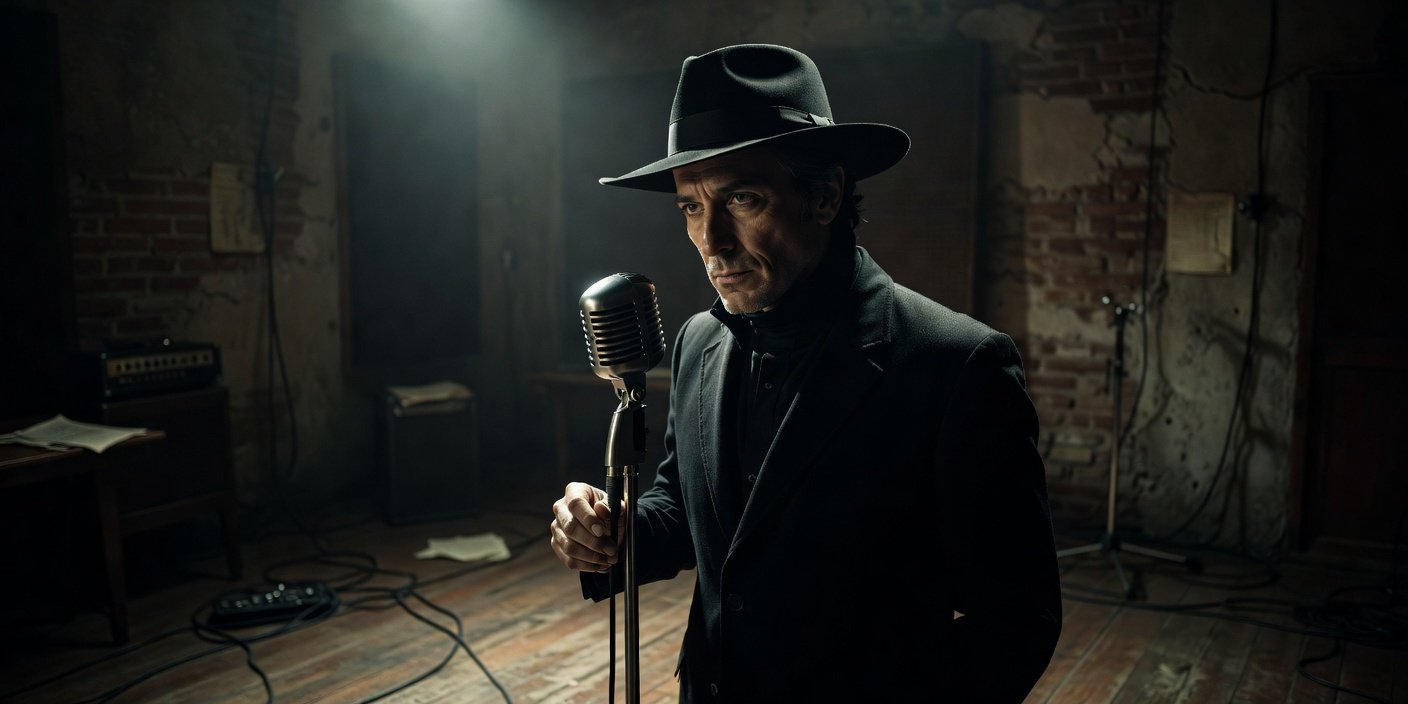
Enrique Bunbury has officially released his 14th studio album, De un siglo anterior, arriving today, April 17, 2026. This highly anticipated project serves as a profound meditation on time, identity, and the musical heritage of the Spanish-speaking world. Recorded in the storied studios of Desierto de los Leones in Mexico, the album represents a distinct pivot for the Aragonese singer-songwriter, who continues to defy the expectations of the rock genre by weaving in the raw, emotive textures of Latin American folklore. As the music world turns its ears to this new collection of ten tracks, it is clear that Bunbury is not merely chasing current trends but actively reshaping his artistic legacy.
Key Highlights
14th Studio Milestone: De un siglo anterior* cements Bunbury’s position as one of the most prolific and enduring voices in Spanish-language rock.
- Conceptual Roots: The album is described as a celebration of the passage of time and an homage to the musical foundations of the 20th century.
- Production Pedigree: Co-produced with long-time collaborator Ramón Gacías, the record features a meticulous, analog-influenced sound recorded in the atmospheric Desierto de los Leones studio.
- Global Tour: The release coincides with the lead-up to his expansive ‘Nuevas Mutaciones Tour 2026’, spanning major cities across the U.S., Mexico, and South America.
The Anatomy of ‘De un siglo anterior’: A Sonic Reflection
Embracing the Latin Folklore
At the core of De un siglo anterior lies a deliberate engagement with Latin American and Hispanic roots. While Bunbury is historically rooted in rock and roll, his latest work is a departure from pure electric-driven distortion. Instead, the tracks function as a dialogue between modern sensibilities and traditional folklore. By incorporating rhythmic patterns and harmonic structures that define regional music styles, Bunbury achieves a sound that feels both ancient and immediate. This is not a radical break from his past, but rather a deepening of the fascination he has exhibited throughout his career, stretching back to his foundational days with Héroes del Silencio.
The ‘Desierto’ Influence
The recording process for this album was central to its character. By retreating to the Desierto de los Leones, a location imbued with isolation and atmospheric intensity, Bunbury sought a sanctuary to strip away the artifice of high-production, synthetic pop music. The choice of studio was deliberate, intended to foster a sense of ‘vulnerability’ in the recordings. Engineers and musicians involved in the project noted that the acoustics of the space allowed for a natural, uncompressed clarity, particularly in the vocal tracks, which the artist believes are the primary vehicles for the album’s emotional weight.
Introspection as Artistic Fuel
Bunbury has been vocal about his desire to move away from the ‘complication’ of his youth, opting instead for a mature, direct lyrical approach. In tracks like La voz and Un brindis al sol, the listener is confronted with a performer who is actively grappling with his place in the modern landscape. The album title itself, De un siglo anterior (From a Previous Century), acts as a double entendre: it acknowledges the musical traditions of the 1900s—the bedrock of modern songwriting—while simultaneously critiquing how quickly the current digital age moves, often at the expense of depth and narrative coherence.
The ‘Nuevas Mutaciones’ Tour
Artistically, the cycle of the album is tied to the upcoming Nuevas Mutaciones Tour 2026. Unlike previous massive stadium tours, this run is curated to feel more intimate, focused on the dynamic interaction between the band and the audience. With a 21-date itinerary covering key cultural hubs such as New York, Los Angeles, and Mexico City, the tour is designed to showcase the sonic nuances of the new record while reinvigorating his back catalog. The band composition, a hybrid team drawing from Huracán Ambulante and Los Santos Inocentes, ensures that the live performance remains a high-energy, technically proficient experience.
Secondary Angles: Examining the Broader Impact
1. The Persistence of the ‘Album’ Format: In an era dominated by singles and TikTok-friendly snippets, Bunbury’s commitment to the long-form, cohesive 10-track LP is a counter-cultural statement. It forces the listener to engage with the artist’s full vision, challenging the current model of fragmented music consumption.
2. Economic Autonomy for Legacy Artists: By self-producing and controlling the release and tour logistics, Bunbury represents a shift in how legacy rock acts manage their economic footprint. He avoids the top-heavy label management systems, opting instead for direct, independent-style control that allows for greater creative freedom and, arguably, a more sustainable, long-term business model.
3. Cross-Generational Musical Migration: The album highlights how Spanish-language rock is currently evolving by ‘looking back to go forward.’ By integrating folklore, Bunbury bridges the gap between older listeners who grew up with traditional Latin music and a younger demographic exploring the roots of their culture, effectively making historical sounds relevant in a 2026 context.
FAQ: People Also Ask
Q: What does the title ‘De un siglo anterior’ mean?
A: It translates to ‘From a previous century.’ The title reflects Bunbury’s homage to 20th-century music roots, which he considers the foundational bedrock of modern popular music, while also commenting on his own career trajectory.
Q: Where was the album recorded?
A: The album was recorded at the Desierto de los Leones, a studio location in Mexico known for its unique atmosphere, which influenced the organic, vulnerable sound of the record.
Q: How many tracks are on the new album?
A: De un siglo anterior features a 10-track repertoire, designed as a cohesive narrative experience.
Q: Is there a tour associated with this release?
A: Yes, Bunbury has announced the Nuevas Mutaciones Tour 2026, which includes 21 dates across the U.S., Mexico, South America, and Spain, kicking off in October.