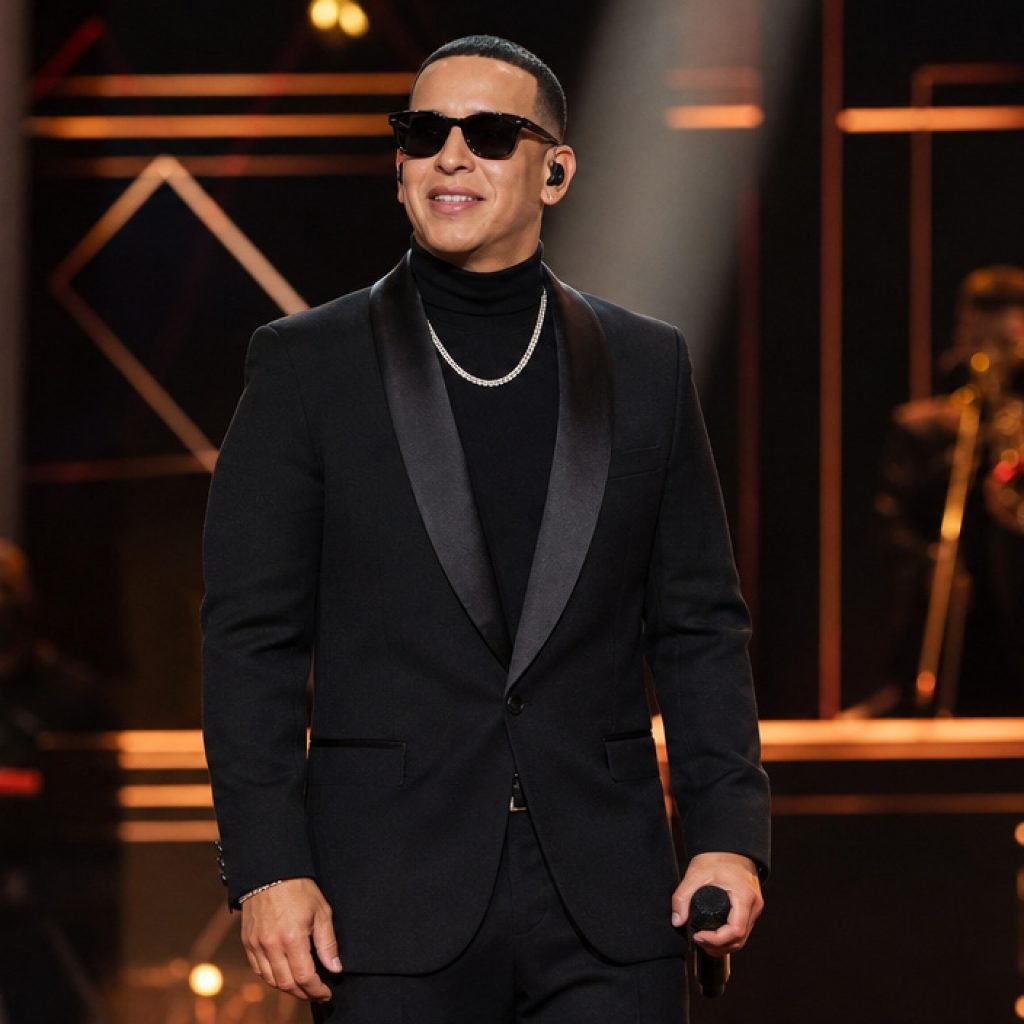
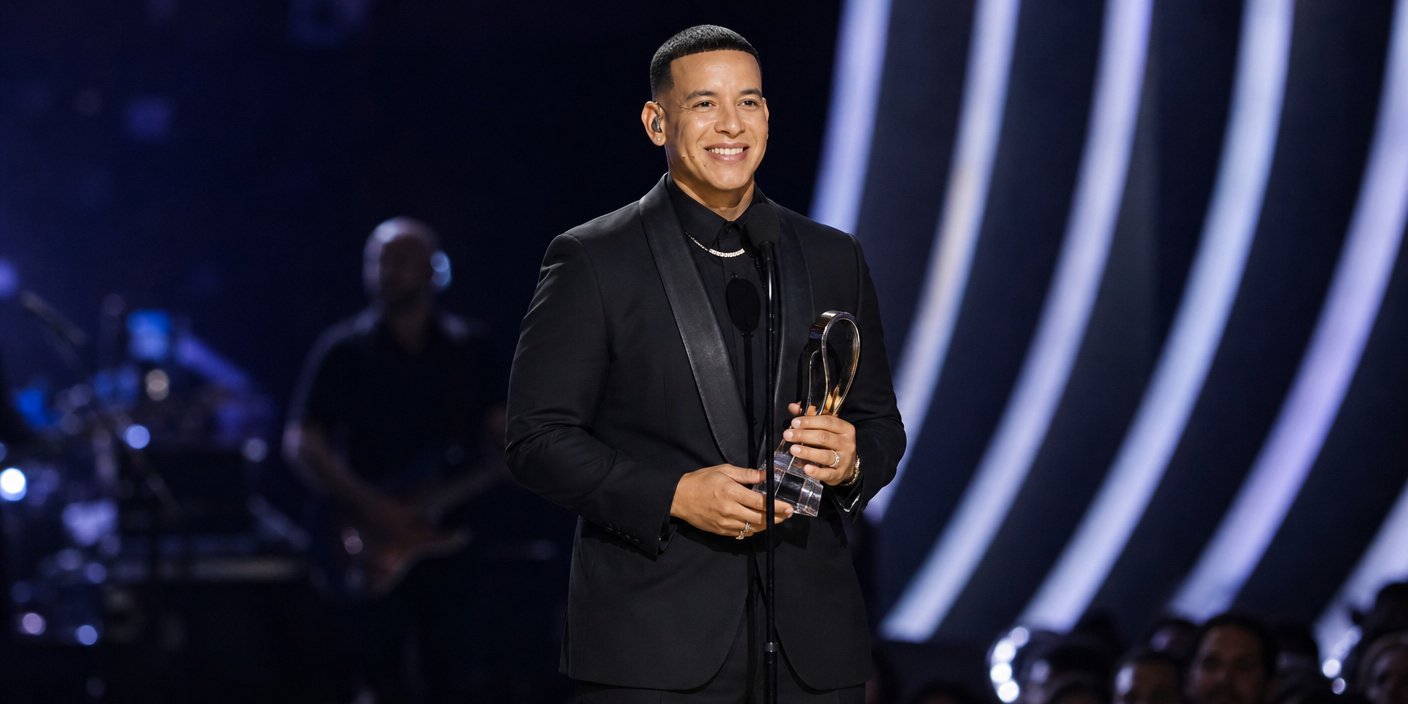
The Latin Recording Academy’s decision to honor Daddy Yankee as the 2026 Person of the Year represents more than just a celebratory accolade; it is a seismic shift in the historical narrative of the global music industry. For decades, the genre of reggaeton was marginalized by institutional gatekeepers, yet Daddy Yankee—born Ramón Luis Ayala Rodríguez—consistently dismantled those barriers through sheer cultural force. As detailed in the recent LA Times ‘The De Los Podcast,’ this recognition serves as a definitive acknowledgment that the ‘King of Reggaeton’ did not just participate in the music industry, he fundamentally rewired it, turning a localized subculture from Puerto Rico into the dominant global sound of the 21st century.
Key Highlights
- Historic Validation: Daddy Yankee becomes one of the few urban artists to receive the Latin Recording Academy’s Person of the Year award, signaling a permanent shift in institutional acceptance.
Globalizing Reggaeton: The award honors his instrumental role in propelling reggaeton from the streets of San Juan to the top of the Billboard* charts worldwide.
Career Longevity: The recognition spans his entire catalog, notably highlighting the seminal impact of his 2004 album, Barrio Fino*.
- Cultural Legacy: The academy acknowledges his influence beyond music, recognizing his role as a business mogul and a figurehead for Latin American representation.
The Architect of the Global Urban Sound
To understand the magnitude of Daddy Yankee receiving the 2026 Person of the Year title, one must look at the trajectory of the Latin music industry before and after the release of Barrio Fino. Before the mid-2000s, reggaeton was often confined to regional circuits and underground clubs. Daddy Yankee’s success was not a stroke of luck; it was a carefully executed campaign of musical evangelism. He took a genre characterized by heavy dembow rhythms and raw, street-level storytelling and infused it with the production polish required for mass consumption without stripping away its identity.
This specific evolution is what critics and historians in ‘The De Los Podcast’ identify as his primary contribution. By the time ‘Gasolina’ became an international anthem, Daddy Yankee had already established the blueprint for what we now understand as ‘Global Pop.’ He bridged the gap between Latin markets and mainstream US radio, effectively forcing the gatekeepers of the Latin Recording Academy to reckon with a movement that had already won over the streets.
The Institutional Shift: Better Late Than Never?
A significant theme emerging from the recent discussions surrounding this honor is the concept of ‘delayed recognition.’ For much of the early 2000s, urban artists were excluded from the most prestigious categories at award shows, often relegated to niche, short-lived categories. The 2026 Person of the Year award is an institutional admission of this oversight.
The Academy’s choice is a tacit acknowledgment that the industry failed to fully support the urban movement in its infancy. By bestowing this honor now, the Latin Recording Academy is effectively formalizing a new chapter in its history, one where reggaeton is no longer treated as a volatile trend but as the backbone of the Latin industry. This transition is crucial for the legacy of younger artists who have built their careers on the infrastructure Daddy Yankee laid down, from J Balvin to Bad Bunny.
Business Acumen and the ‘Barrio Fino’ Blueprint
Beyond his vocal contributions, Daddy Yankee’s impact on the economics of Latin music cannot be overstated. He was one of the first artists to understand the importance of owning one’s master recordings and building a brand that transcended individual hit songs. He moved the goalposts for what an artist could earn and how they could leverage their fame into wider business interests—ranging from film production to clothing lines and athletic endorsements.
This entrepreneurial spirit is a vital component of the Person of the Year criteria, which evaluates an artist’s philanthropic work, artistic excellence, and total contribution to the Latin music community. Daddy Yankee’s ‘Daddy Yankee Foundation,’ which focuses on providing resources to underprivileged children in Puerto Rico, has been a quiet but steady force for over a decade. The award committee has clearly factored in this commitment to his community, highlighting that his influence is measured not just in record sales but in tangible social impact.
Future Implications for the Latin Grammys
What does this mean for the future of the Latin Grammys? It sets a precedent. The 2026 Person of the Year recognition is a clear signal that the Academy is looking to move away from traditional, melody-focused definitions of ‘artistry.’ By honoring a pioneer of the rhythmic, percussive-heavy genre of reggaeton, the organization is acknowledging that the future of Latin music—and indeed, global music—lies in the hybridity of styles.
This shift suggests that future award cycles will likely see an even heavier integration of urban, trap, and electronic Latin music into top-tier categories. Daddy Yankee’s legacy is now cemented as the bridge between the old guard of Latin pop and the new, digital-first, genre-fluid reality of the modern music listener. As he looks toward his post-touring life, this accolade serves as the perfect punctuation mark on a career that redefined what it meant to be a Latin superstar.