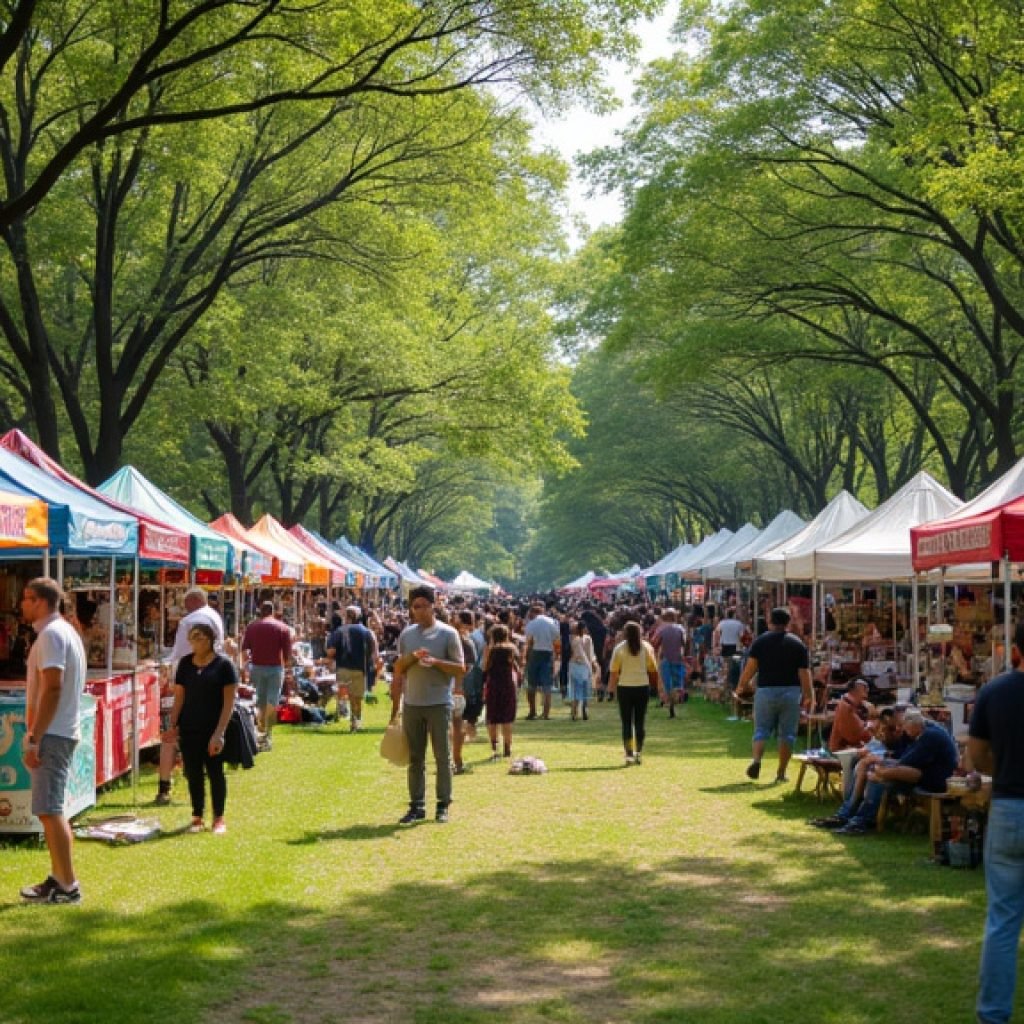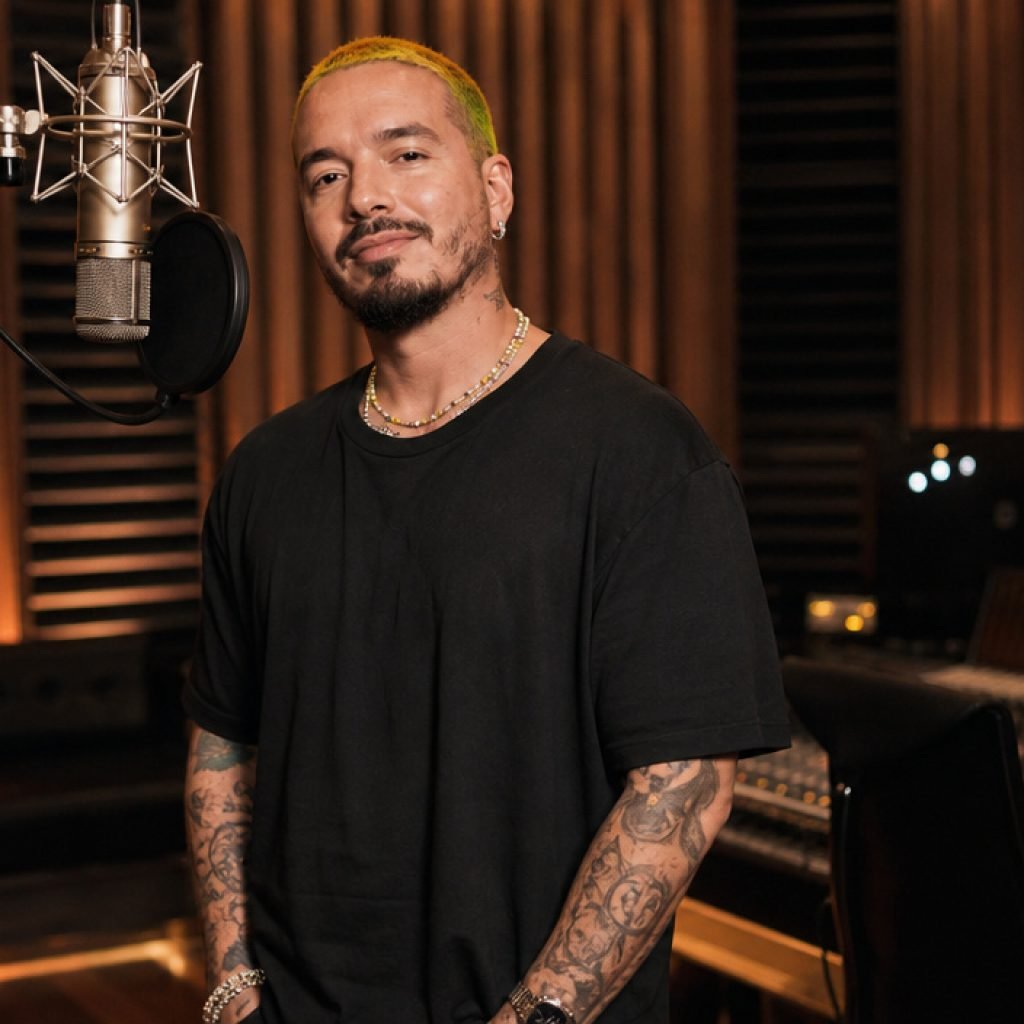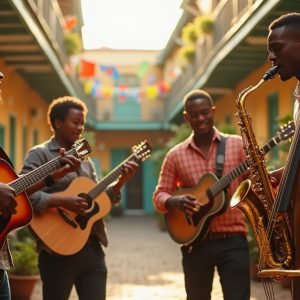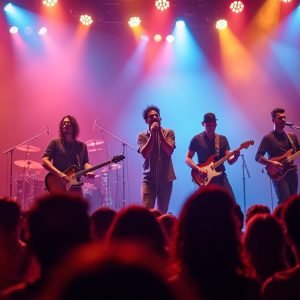
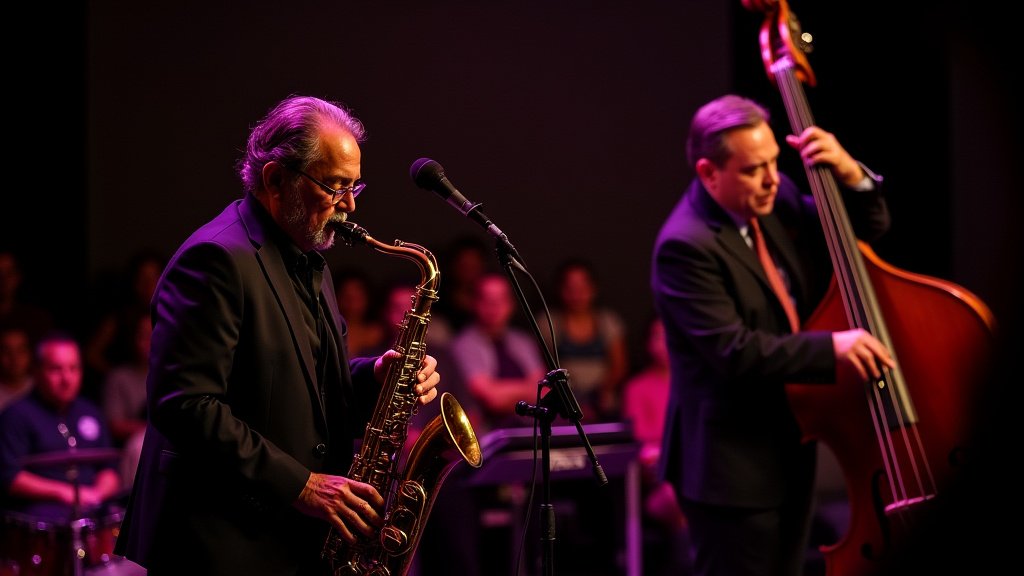
Bloomington’s FAR Center for Contemporary Arts recently transformed into a hub of international solidarity as local organization “Bloomington Ayuda” hosted a high-energy fundraiser dedicated to providing urgent relief for earthquake-stricken communities in Colombia and Venezuela. By merging the cultural vibrancy of Latin jazz with a mission of humanitarian aid, organizers successfully mobilized residents to contribute to recovery efforts following devastating seismic events in the region.
Key Highlights
- Cultural Synergy: The event utilized Latin jazz as a powerful medium to foster community engagement, bridging the gap between local residents and victims of international natural disasters.
- Strategic Venue: The FAR Center for Contemporary Arts served as the host, providing a backdrop that emphasized both aesthetic appreciation and social responsibility.
- Immediate Humanitarian Goal: Funds raised are earmarked for immediate recovery and reconstruction, addressing critical needs such as medical supplies, clean water, and temporary shelter for displaced families.
- Grassroots Mobilization: The efforts by Bloomington Ayuda represent a growing trend of local organizations taking responsibility for global crises when international aid corridors are slow to establish.
Strengthening Global Ties Through Local Action
The catastrophic seismic activity that recently rocked parts of Colombia and Venezuela has left thousands without adequate infrastructure, prompting an immediate response from communities worldwide. In Bloomington, the collective known as Bloomington Ayuda organized a specific initiative designed not just to collect donations, but to build awareness about the ongoing challenges faced by the affected populations.
The Intersection of Art and Crisis Response
Music has long served as a vessel for social change, and the decision to host a Latin jazz fundraiser was both strategic and symbolic. By inviting local musicians to perform, the organizers ensured that the event resonated with the cultural heritage of the regions being assisted. This sensory connection helps donors feel closer to the populations they are supporting, transforming a standard donation into a more personal, empathetic exchange.
The FAR Center for Contemporary Arts provided an ideal venue for this intersection of culture and activism. The venue’s commitment to community engagement made it a fitting partner for an organization looking to bridge the distance between the American Midwest and the Andean regions of South America.
Assessing the Humanitarian Impact
The earthquakes in Colombia and Venezuela have disrupted fragile supply chains, damaged essential public infrastructure, and created a housing crisis in several vulnerable municipalities. Recovery in these regions often spans months, if not years. Bloomington Ayuda’s fundraising focus is twofold: providing immediate, life-saving necessities and contributing to long-term reconstruction projects.
According to regional reports, the damage to infrastructure has made it difficult for local authorities to reach rural areas with medical aid. Grassroots initiatives like those organized by Bloomington Ayuda are vital because they can often funnel resources directly to local relief agencies that have the logistical knowledge to reach the hardest-hit areas, circumventing some of the bureaucracy that often plagues large-scale international aid organizations.
The Evolution of Local Aid
This event is a testament to the power of community-driven philanthropy. While national governments and large NGOs play a crucial role in disaster relief, local chapters and community organizations like Bloomington Ayuda provide a specific type of support: agility and targeted advocacy. By operating on a local scale, they are able to rally the community quickly, bypassing lengthy administrative hurdles and ensuring that funds are transferred to where they are needed most—without the significant overhead costs often associated with massive institutional aid programs.
Furthermore, the success of this event highlights the multicultural fabric of the Bloomington community. By actively engaging with the needs of Colombia and Venezuela, the community is affirming its identity as a global neighbor, recognizing that the health and stability of these South American nations are inextricably linked to the broader international community.
Moving Forward: Sustainability in Relief
As the immediate news cycle moves on from the disaster, Bloomington Ayuda intends to maintain its focus on the long-term recovery process. The organization has noted that reconstruction is often the costliest and most overlooked phase of disaster management. By establishing these initial fundraising channels, they are creating a framework that can be reactivated for future crises or sustained for the long-term rebuilding efforts required in the aftermath of these specific tremors.
FAQ: People Also Ask
1. What is Bloomington Ayuda?
Bloomington Ayuda is a community-based organization dedicated to providing social and humanitarian support. They frequently partner with local institutions to host events that raise funds for crisis relief and social justice causes.
2. Why was the FAR Center chosen for this fundraiser?
the FAR Center for Contemporary Arts is a hub for community-led initiatives in Bloomington. Its commitment to social impact and accessible venue space made it a strategic choice for an event aimed at maximizing community participation.
3. How are the funds being distributed?
Funds are typically distributed through established humanitarian channels that focus on the specific regions affected in Colombia and Venezuela. These channels ensure that money reaches local recovery teams providing medical care, food, and housing assistance.
4. Will there be future events like this?
Based on the success of the recent Latin jazz fundraiser, Bloomington Ayuda has indicated a commitment to continued advocacy. Interested donors and volunteers are encouraged to follow their social media channels or check the FAR Center event calendar for future updates.
5. Can I still contribute to the relief fund?
Yes, even following the event, the organization continues to accept donations for the recovery efforts. Information regarding direct contributions can typically be found through their official communication channels or by contacting the FAR Center directly regarding the specific relief fund campaign.