The sun-drenched grounds of Greenwood Park in Brooklyn provided the perfect backdrop for the Sazón Latin Food Festival on Sunday, August 30, 2026, where the air was thick with the savory, intoxicating aromas of sofrito, roasted meats, and fresh corn masa. As a cornerstone event for the city’s culinary calendar, the festival successfully bridged the gap between traditional heritage and modern gastronomy, drawing record crowds eager to celebrate the diversity of the Latin American diaspora.
Key Highlights:
- Attendance Surge: The festival saw an estimated 15,000 visitors, marking a significant increase in local engagement with Latin American cultural programming.
- Vendor Diversity: Over 50 local vendors from the Brooklyn area participated, showcasing regional specialties ranging from Colombian arepas to Puerto Rican mofongo and Mexican street corn.
- Sustainability Focus: Event organizers implemented a new ‘Greenwood Green’ initiative, ensuring that 90% of food packaging used at the event was compostable or recyclable.
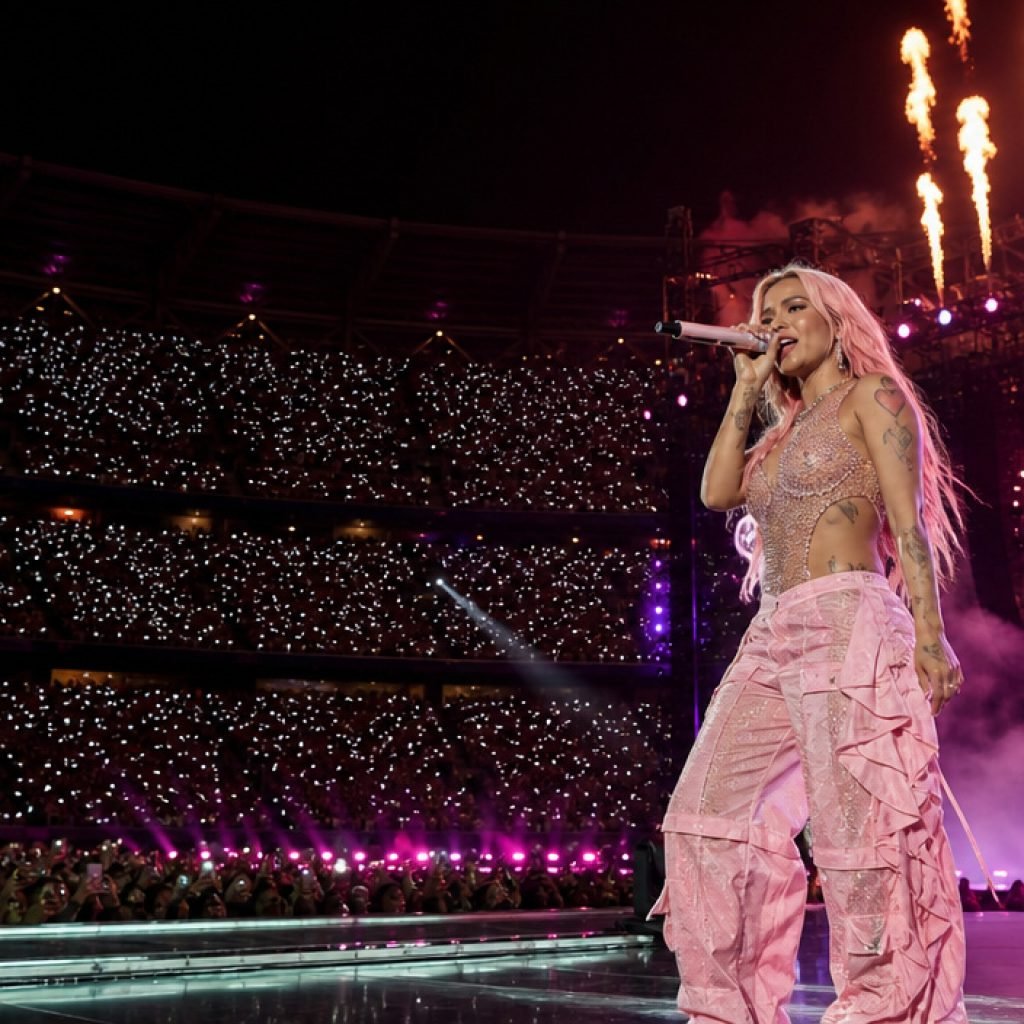
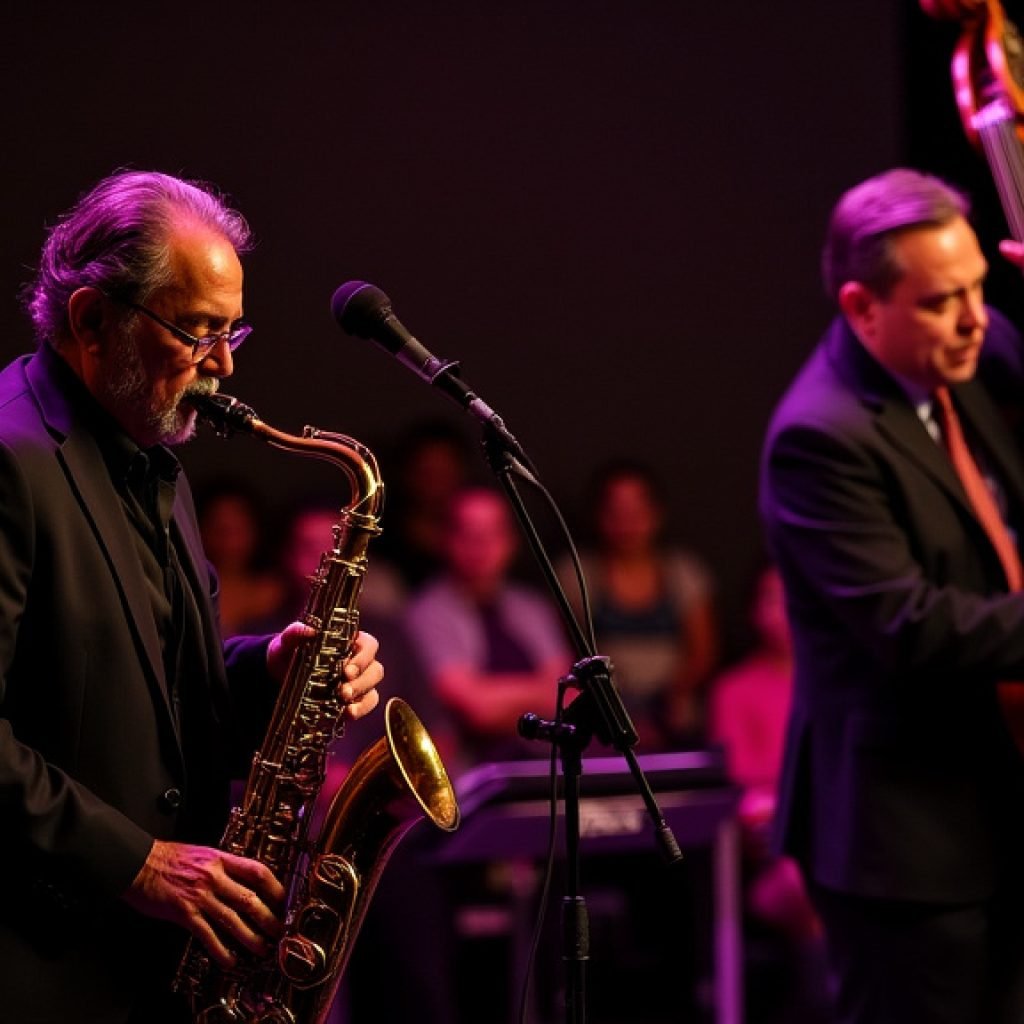
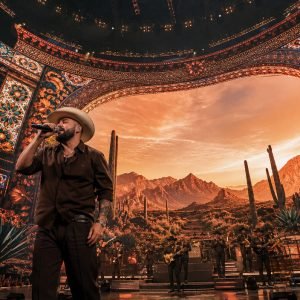
- Cultural Impact: The event featured a dedicated ‘Heritage Stage’ for live music, highlighting the evolution of Latin American rhythms from traditional folk to contemporary urban fusion.
A Culinary Tapestry Served on a Plate
The Sazón Latin Food Festival 2026 was far more than a mere gathering of food trucks and stalls; it served as a living, breathing testament to the profound influence of Latin American culture on the modern Brooklyn culinary scene. The festival, which took place in the heart of Greenwood Park, functioned as a sensory odyssey. For the uninitiated, the term ‘Sazón’ represents not just a blend of spices, but the very essence of Latin cooking—a generational knowledge passed down through families, defining the flavor profile of homes across the continent.
The Culinary Landscape
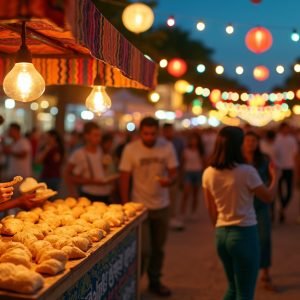
Walking through the festival, one could observe the intricate variety of the Latin American diaspora. The culinary landscape was expertly curated to provide a comprehensive look at the continent’s breadth. A standout success was the ‘Arepa Alley,’ a dedicated section where vendors from Venezuela and Colombia showcased competing styles of the humble corn cake. The contrast in textures—the charred, crispy exterior of a fresh-off-the-grill arepa against the soft, doughy interior—was a masterclass in street food preparation. Nearby, the scent of slow-roasted pork (pernil) drew massive queues to the Caribbean stalls, where the traditional, salt-crusted skin of the roast provided a crunchy, savory satisfaction that served as the event’s unofficial soundtrack.
Beyond the familiar staples, the festival offered adventurous tasters a glimpse into less-commercialized regional dishes. We witnessed a high volume of interest in ancestral grains, with vendors using quinoa and amaranth in innovative ways, blending pre-Columbian dietary staples with modern vegan-friendly trends. This fusion is precisely what makes Brooklyn’s current food scene so formidable; it is a place where culinary tradition is not static, but evolving.
Greenwood Park: A Hub of Community
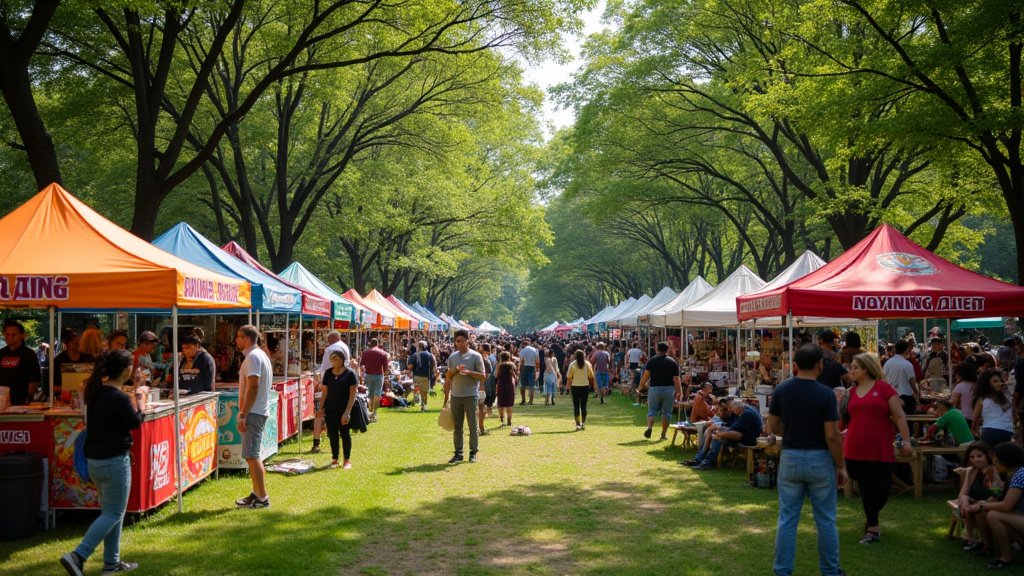
The choice of Greenwood Park as the venue was strategic. Unlike the concrete confines of larger, more impersonal city squares, Greenwood Park offered a lush, canopy-covered environment that allowed the festival to breathe. The layout facilitated a natural flow, where attendees could move from the high-energy music stages—which showcased everything from Cumbia to reggaeton—to the more contemplative, shaded eating areas.
This spatial design played a crucial role in the event’s success. By fostering an atmosphere of leisure rather than a rush-to-consume environment, the festival invited families to stay longer, picnic on the grass, and engage in the communal aspect of eating. It underscored a key sociological reality: food is the ultimate icebreaker. Strangers bonded over the heat of hot sauce choices, and multi-generational families shared stories while navigating the various stall offerings, creating a ripple effect of community cohesion that resonated throughout the afternoon.
Economic and Cultural Ripples
The economic impact of the 2026 Sazón Festival cannot be overstated. For many of the independent business owners—many of whom are first-generation immigrants—the festival acts as a primary launchpad for brand awareness. By participating, these small-scale entrepreneurs gained access to a wider demographic beyond their immediate neighborhoods. The Brooklyn Cultural Council, which supported the event’s logistical framework, noted that the festival contributed to a localized economic boost, with many participating vendors reporting sold-out inventory before the day’s end.
Furthermore, the event highlighted the importance of culinary tourism within the borough. As Brooklyn continues to solidify its reputation as a global food destination, festivals like Sazón provide a structured narrative for tourists and locals alike to explore the depths of Latin American cuisine. It moves the conversation forward from ‘ethnic food’—a term often used to otherize—to a more nuanced understanding of distinct, sophisticated culinary traditions that are foundational to the city’s identity. The success of the 2026 edition sets a high bar for future iterations, cementing the Sazón Latin Food Festival as an indispensable fixture of the New York City summer.
FAQ: People Also Ask
1. Q: Was there an entry fee for the Sazón Latin Food Festival 2026?
A: No, the festival was free to enter, though individual food and drink items were sold directly by the participating vendors. Some premium workshops and tasting sessions required advance tickets.
2. Q: Will the Sazón Latin Food Festival return to Greenwood Park in 2027?
A: While official dates for 2027 have not yet been announced, the overwhelming success and high turnout for the 2026 event strongly suggest a return to the same location, with organizers expressing interest in expanding the footprint.
3. Q: How do vendors get selected for this festival?
A: Selection is curated by a committee that evaluates vendors based on culinary authenticity, commitment to sustainability, and local community impact within the Brooklyn borough.
4. Q: Is the Sazón Latin Food Festival family-friendly?
A: Absolutely. The 2026 event included a dedicated ‘Kids Zone’ featuring cultural crafts, traditional dance workshops, and educational games, making it a staple for families.