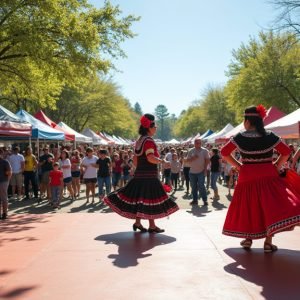
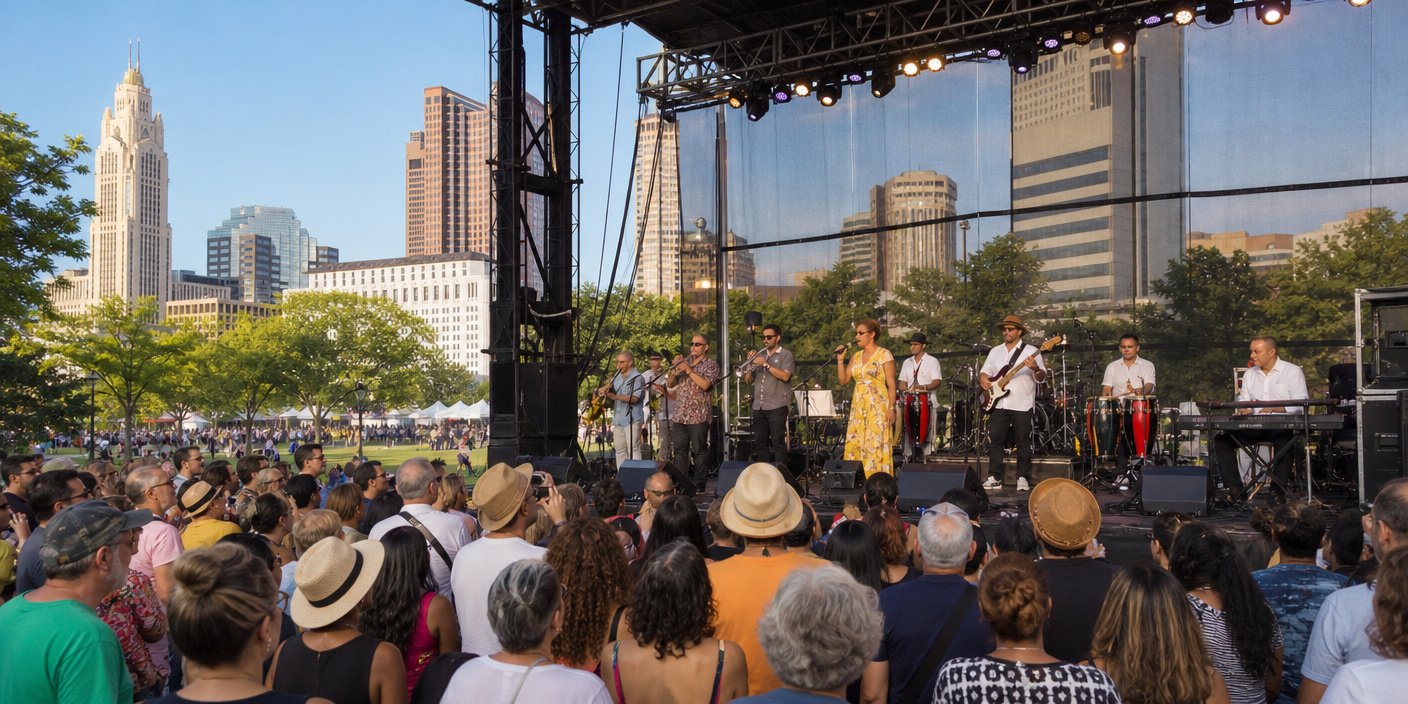
The 29th annual Festival Latino has officially concluded its most ambitious run to date, marking a triumphant shift in venue strategy that saw the heart of downtown Columbus transformed into a vibrant epicenter of Latin American culture. By moving operations to the Columbus Commons and the historic Ohio Theatre, organizers have not only expanded the festival’s physical footprint but have also woven the event deeper into the urban fabric of the city. For nearly three decades, this festival has served as a cornerstone of Ohio’s cultural calendar, yet the 2026 edition stands out as a pivotal evolution, bridging the gap between community tradition and high-capacity urban programming.
The Strategic Shift: Redefining Urban Placemaking
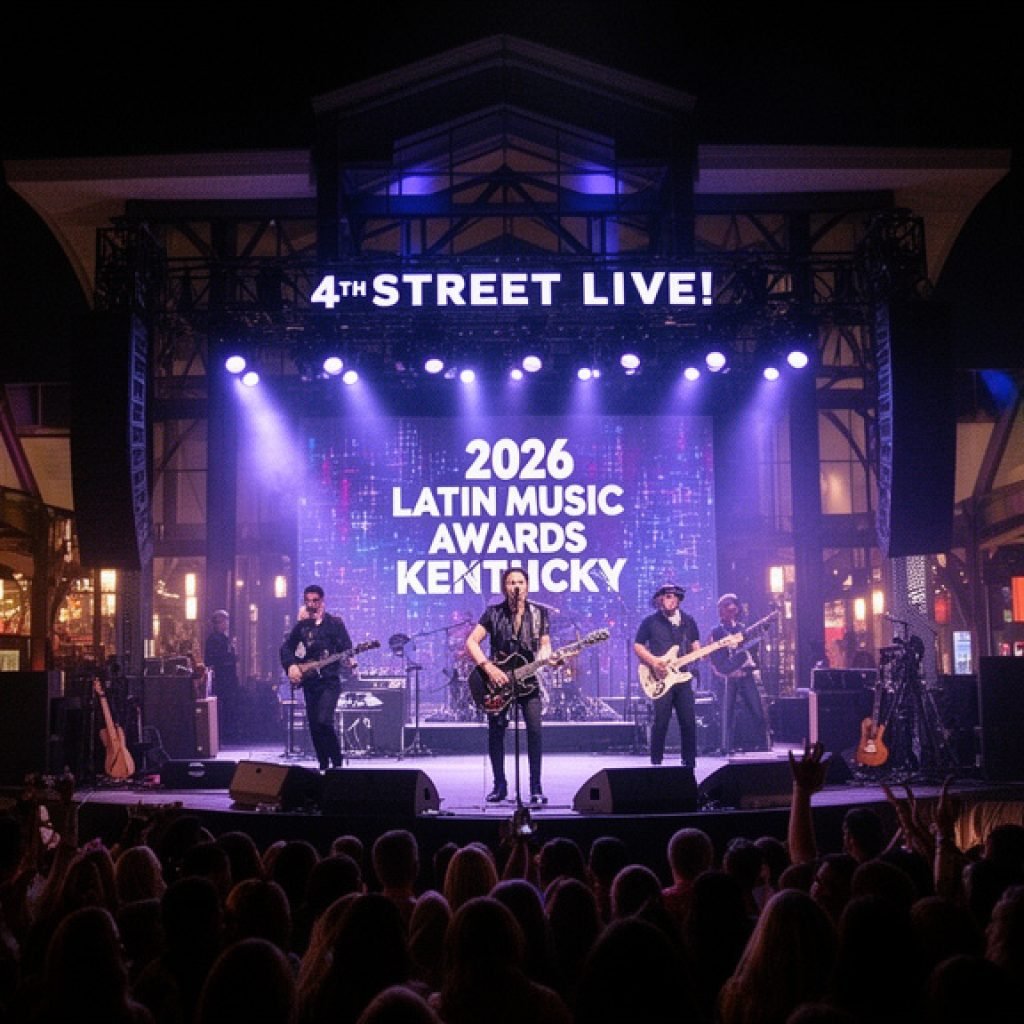
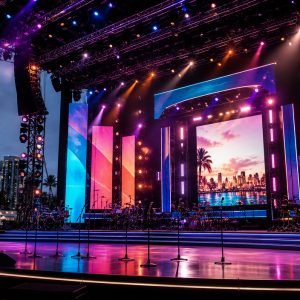
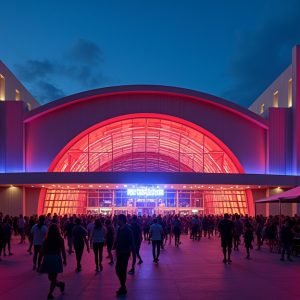
The decision to utilize the Columbus Commons and the Ohio Theatre was a calculated maneuver by festival planners to accommodate growing attendance while maximizing the central business district’s engagement. In previous iterations, the festival faced the typical logistical constraints of smaller neighborhood venues. By relocating to the Commons, organizers leveraged the park’s natural amphitheater-style acoustics and central accessibility, effectively turning the downtown core into an open-air venue. This move is emblematic of a broader trend in ‘cultural placemaking,’ where major city events are no longer relegated to the periphery but are placed at the literal center of the city’s economic and social activity.
The Ohio Theatre, a National Historic Landmark, provided a prestigious indoor counterpoint to the outdoor energy of the Commons. This dual-venue approach allowed for a tiered programming structure: high-energy, percussive outdoor performances suited for large crowds, and intimate, sophisticated acoustic sessions within the historic theater. This spatial strategy mirrors the diversity of the programming itself, respecting the scale of the music while enhancing the overall patron experience.
The Soundtrack of Success: A Curated Lineup
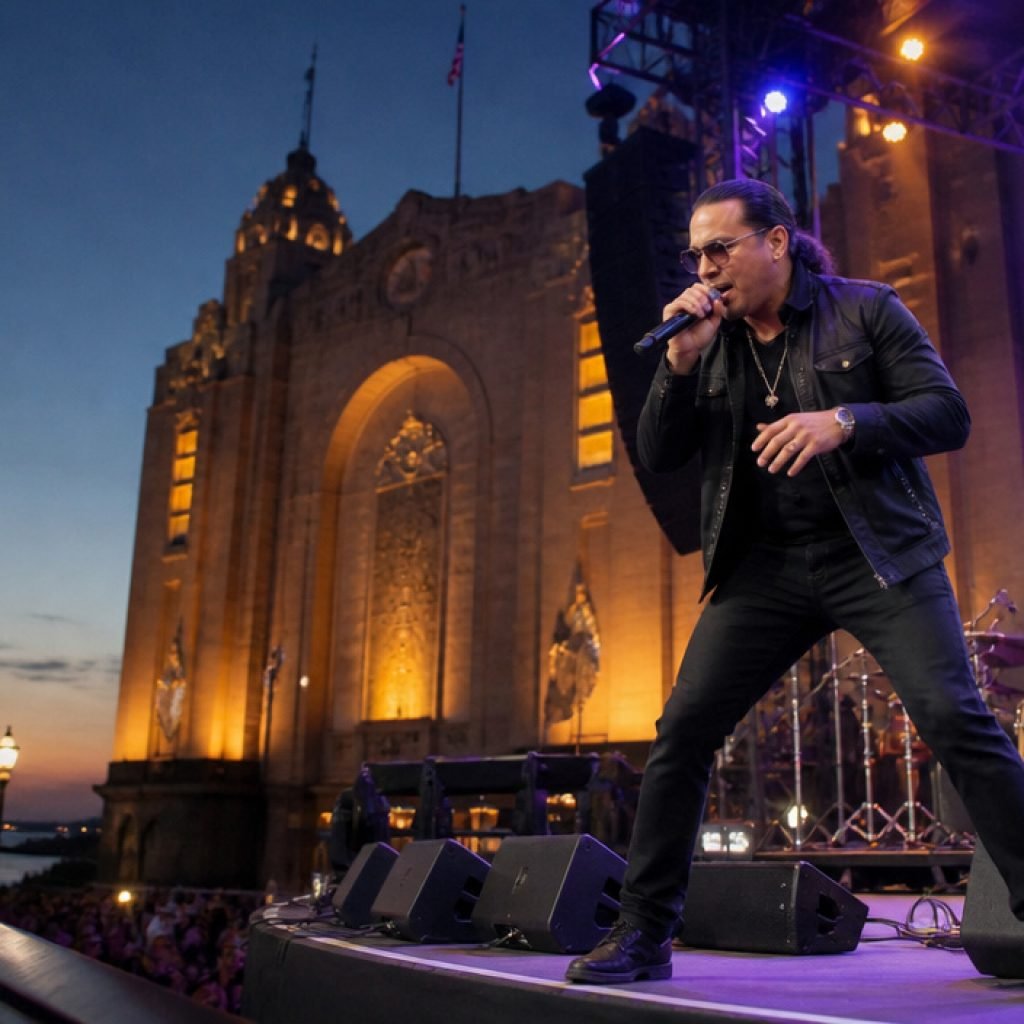
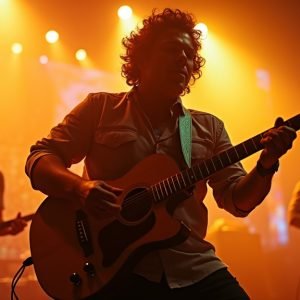
Central to the weekend’s success was an uncompromising commitment to artistic quality. The festival organizers curated a lineup that bridged generational and genre-based divides, ensuring that the programming resonated with both long-time residents and new audiences. The performances of OKAN, Mazizo Musical, and Oro Sólido were not merely entertainment; they were the focal points of a massive, weekend-long cultural dialogue.
OKAN, the Afro-Cuban ensemble known for their intricate compositions and powerhouse vocals, brought a level of technical musicality to the Ohio Theatre that underscored the festival’s commitment to artistic prestige. Their presence helped elevate the event from a community gathering to a nationally recognized performance showcase. In contrast, Mazizo Musical and the merengue legends Oro Sólido provided the kinetic energy required for the outdoor stages. Oro Sólido’s set, in particular, acted as a catalyst for crowd engagement, highlighting the enduring power of merengue to unify diverse demographics through rhythm and dance. The interplay between these acts demonstrated the festival’s ability to program a wide spectrum of Latin American sounds, from traditional folk roots to contemporary pop-infused beats.
Twenty-Nine Years of Cultural Legacy
To understand the magnitude of this year’s success, one must contextualize it within the festival’s 29-year history. Since its inception, Festival Latino has evolved from a grassroots gathering into the largest Latin American event in Ohio. This longevity is significant; it reflects the growing demographic diversity of Columbus and the city’s increasing role as a destination for international arts and culture. The 2026 edition serves as a bridge, honoring the community founders who established the festival decades ago while aggressively modernizing the format to appeal to a younger, more globalized audience.
The organizational discipline required to pull off such a transition—maintaining the ‘community feel’ while managing the logistical complexities of two high-traffic downtown venues—cannot be overstated. It marks a maturation of the festival management, positioning the event as a critical component of Columbus’s annual tourism and economic development strategy.
The Economic and Social Ripple Effect
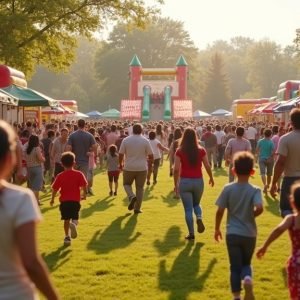
Beyond the stage, the impact on the downtown business ecosystem was palpable. With thousands of attendees flooding the Columbus Commons, local vendors and businesses reported an uptick in foot traffic that mirrors other major municipal festivals. However, unlike temporary pop-up events, the Festival Latino brings a specific type of economic vitality: multi-generational families who engage with local restaurants, hotels, and retail shops throughout the duration of the event. This creates a sustainable economic feedback loop, proving that large-scale cultural events are a net positive for urban revitalization.
Furthermore, the festival acts as a vital bridge between the Latin American community and the broader Columbus population. By highlighting music, heritage, and regional cuisine, the event fosters intercultural exchange, reducing social barriers and promoting a sense of shared civic pride. It reinforces Columbus’s brand as a welcoming, diverse, and dynamic capital city, which is essential for attracting talent and business investment in an increasingly competitive national landscape.
Looking Toward the 30th Anniversary
As the dust settles on the 2026 weekend, the conversation immediately shifts to the milestone 30th anniversary. If the 2026 move to the Commons is any indication, the future of Festival Latino is one of continued expansion and deeper integration with the city’s urban infrastructure. Planners are likely already looking at how to scale this model, perhaps extending the duration of the event or incorporating more satellite venues throughout the downtown corridor. The success of this year has set a high bar, demonstrating that when community culture is given the space and stage it deserves, the entire city reaps the rewards.
FAQ: People Also Ask
How many years has Festival Latino been running in Columbus?
Festival Latino has been a staple of the Columbus cultural scene for 29 years, growing from a small local event to the largest Latin American festival in Ohio.
Why did the festival move to Columbus Commons and the Ohio Theatre in 2026?
Organizers moved the event to provide more space for attendees, improve acoustics and production quality, and centralize the festival within the downtown business district to maximize accessibility and economic impact.
Who were the headlining performers at this year’s festival?
The 2026 festival featured high-profile performances by the Afro-Cuban ensemble OKAN, the regional sounds of Mazizo Musical, and merengue icons Oro Sólido.
Is the festival family-friendly?
Yes, the festival is designed as an all-ages event, featuring music, cultural exhibits, and food vendors intended to provide a community-focused experience for attendees of all generations.