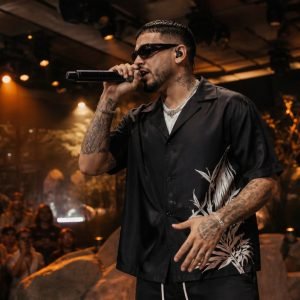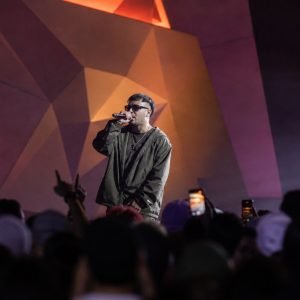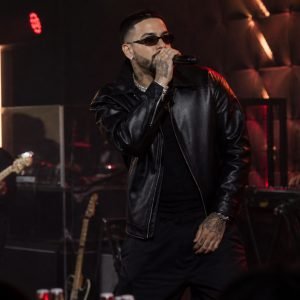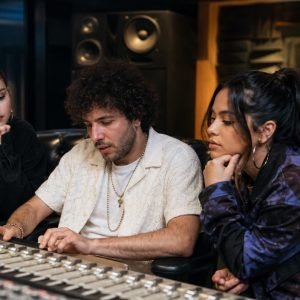
The 60th edition of the Montreux Jazz Festival has officially cemented its status as the world’s most versatile music showcase, blending deep-rooted jazz tradition with a forward-thinking, genre-defying lineup. By welcoming international Latin music sensations like Danny Ocean and Young Miko alongside legendary virtuosos, the festival has navigated its landmark 60th anniversary with a strategic embrace of global pop culture. This shift does more than just fill seats; it reinforces Montreux’s historical mandate to remain the heartbeat of musical innovation, ensuring that Lake Geneva remains the epicenter of the global music industry in 2026.
Key Highlights
- Landmark Anniversary: The 2026 iteration marks the 60th consecutive year of the Montreux Jazz Festival, solidifying its legacy as the longest-running major jazz gathering in the world.
- Latin Music Integration: The inclusion of Danny Ocean and Young Miko signifies a major programming pivot, signaling the festival’s commitment to urban and Latin pop integration.
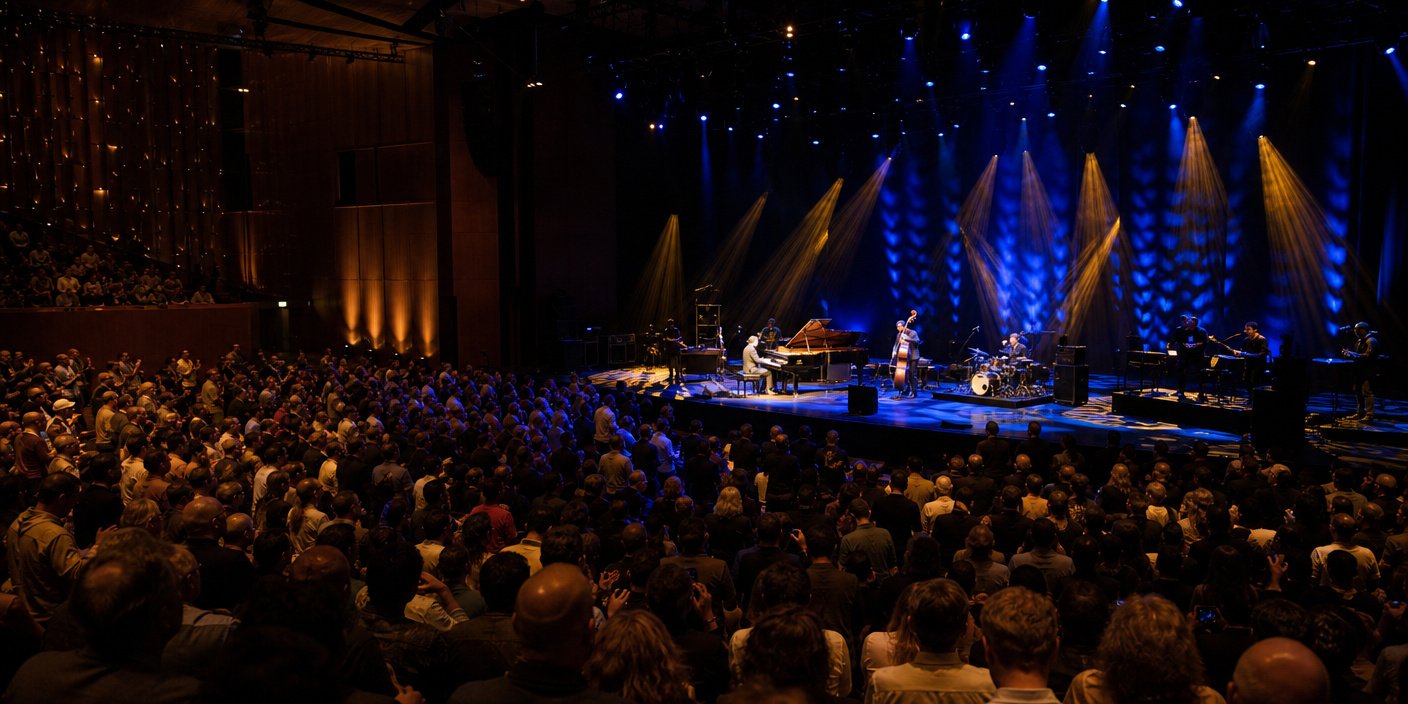
- Acoustic Excellence: The event maintains its world-renowned commitment to high-fidelity audio production, utilizing the iconic Auditorium Stravinski to host both acoustic jazz ensembles and high-energy modern performances.
- Economic and Cultural Pulse: The festival continues to drive significant tourism to the Vaud canton, blending high-end cultural tourism with an accessible, open-air atmosphere along the lakefront.
The Grand Anniversary: A Legacy in Motion
For six decades, the Montreux Jazz Festival has functioned as more than just a series of concerts; it has acted as a sonic laboratory. Founded in 1967 by the late Claude Nobs, the festival was born from a desire to bring the world’s best jazz musicians to the shores of Lake Geneva. In 2026, the spirit of ‘Funky Claude’—as Nobs was affectionately known—permeates every corner of the grounds. The 60th anniversary is not merely a retrospective celebration of jazz legends like Miles Davis or Nina Simone, who once graced these stages, but a bold statement on the future of the industry.
The Shift Toward Global Latinity
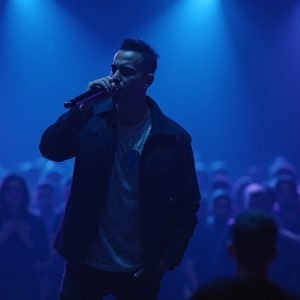
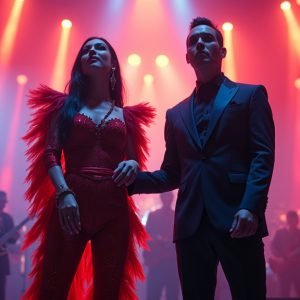
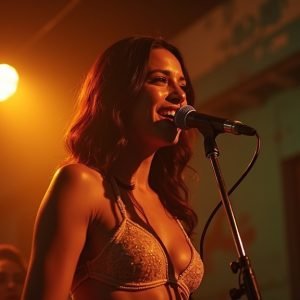
The programming decisions for the 2026 edition have sparked significant conversation among industry analysts and long-time attendees. By booking artists like Danny Ocean and Young Miko, the organizers are addressing the massive explosion of Latin and urban music in the global streaming era. Danny Ocean, known for his infectious, genre-bending melodies, and Young Miko, the Puerto Rican trailblazer whose lyrical prowess has captivated the digital generation, bring a different frequency to the festival. This is a deliberate ‘generational bridge.’ While traditionalists might query the displacement of nightly bebop sessions, the festival’s core audience has shifted. The integration of these acts ensures that the festival remains culturally relevant, preventing the stagnation that often haunts long-running historical institutions.
Engineering the Perfect Sound
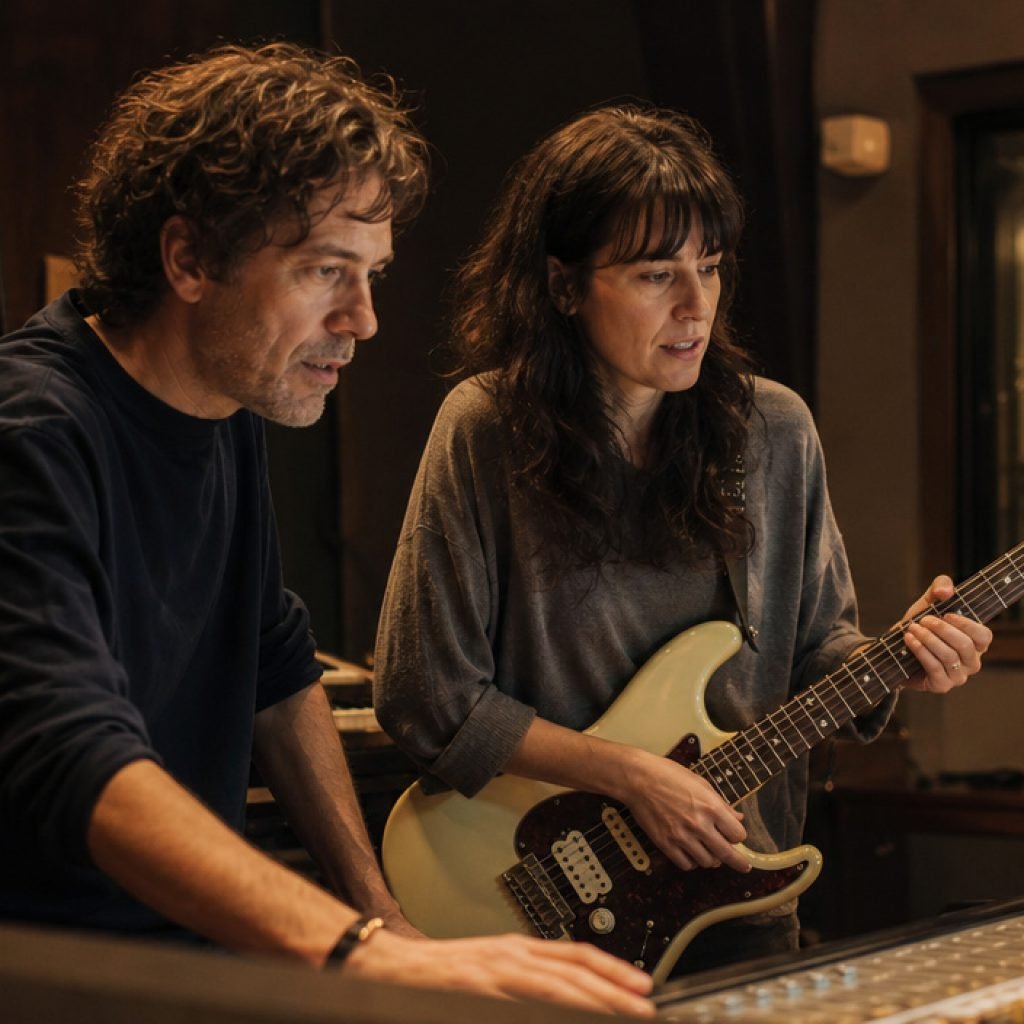
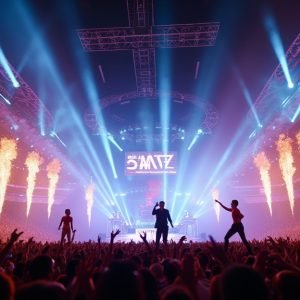
Beyond the artist lineup, the 2026 festival demonstrates an unmatched commitment to technical production. The Montreux Jazz Festival has always been famous for its state-of-the-art live recording and sound engineering. In 2026, this reputation is heightened by a renewed focus on multi-sensory experiences. The sound design within the Auditorium Stravinski has been upgraded to accommodate the bass-heavy, percussion-driven nature of modern Latin urban music without sacrificing the nuance required for a jazz quartet. This technical flexibility is a hallmark of the festival’s adaptation strategy; it allows the venue to transition seamlessly from the subtle brushwork of a snare drum to the massive, synthesized soundscapes of contemporary pop hits, all while maintaining the hallmark ‘Montreux Sound’ that audiophiles treasure.
Economic Impact and Cultural Diplomacy
The 60th-anniversary celebration has also served as a catalyst for economic growth in the region. Hotels in Montreux and surrounding areas reported near-total capacity months in advance of the July 2026 dates. Beyond the immediate revenue, the festival acts as a form of cultural diplomacy. By positioning Latin superstars in a setting traditionally reserved for jazz royalty, the festival fosters a unique cross-pollination. Fans of traditional jazz are introduced to modern Latin rhythms, and younger Latin music enthusiasts are exposed to the sophisticated history of jazz improvisation. This intellectual and auditory exchange is the primary engine of the festival’s longevity. As the world becomes increasingly fractured by digital silos, the festival provides a physical space where disparate genres—and the audiences that love them—can collide in the name of artistic excellence.
Looking Ahead: The Next 60 Years
As the final notes of the 60th edition fade over the waters of Lake Geneva, the management team faces the inevitable challenge of planning for the future. Can the festival sustain this balance between heritage and progress? The consensus among music critics is clear: the Montreux Jazz Festival will survive only as long as it refuses to be a museum. The 2026 edition is proof that the festival is willing to take risks, sacrifice purity for reach, and continue to expand its global footprint. By blending the historical gravitas of its 60-year lifespan with the urgent, modern energy of acts like Young Miko and Danny Ocean, Montreux has not just celebrated its past—it has secured its future.
FAQ: People Also Ask
Q: What is the significance of the 60th anniversary of the Montreux Jazz Festival?
A: It represents six decades of continuous operation since the festival’s founding in 1967. This milestone marks the festival’s evolution from a niche jazz gathering into a globally recognized cultural phenomenon that balances artistic heritage with modern commercial appeal.
Q: Why is Latin music featured heavily in the 2026 lineup?
A: The festival aims to reflect current global music consumption trends. By featuring artists like Danny Ocean and Young Miko, the festival successfully bridges the gap between traditional jazz patrons and the younger, globally diverse demographic that dominates current music charts.
Q: How does the festival maintain its acoustic reputation with modern music?
A: The festival utilizes the state-of-the-art facilities at the Auditorium Stravinski, which have been upgraded with advanced acoustic technologies. These systems are specifically designed to maintain high-fidelity sound quality regardless of whether the performer is a traditional jazz ensemble or a modern, technology-heavy Latin pop artist.
Q: What is the role of Claude Nobs in the modern Montreux Jazz Festival?
A: While Claude Nobs passed away in 2013, his philosophy of ‘musical freedom’ remains the guiding principle. The festival’s current programming team continues to uphold his legacy by ensuring that the lineup remains eclectic, bold, and strictly high-quality, regardless of genre classification.