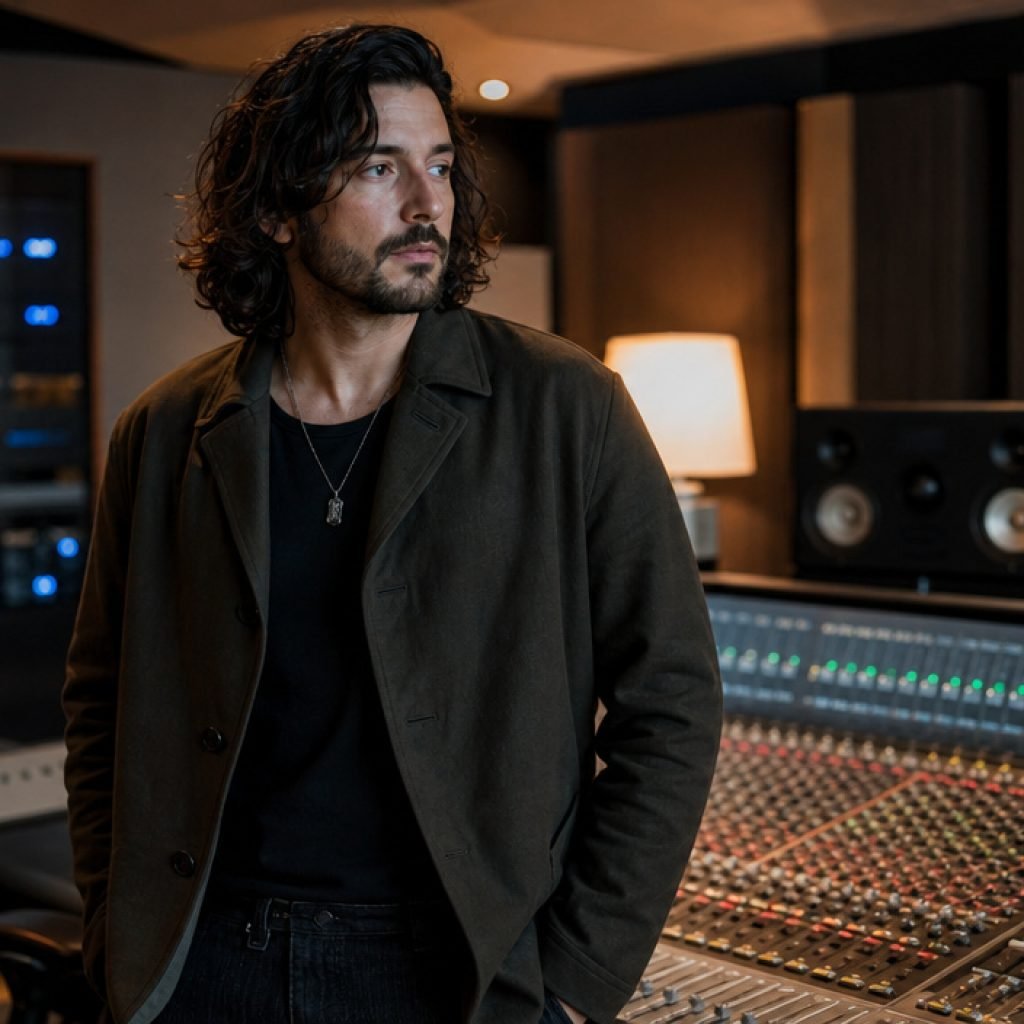
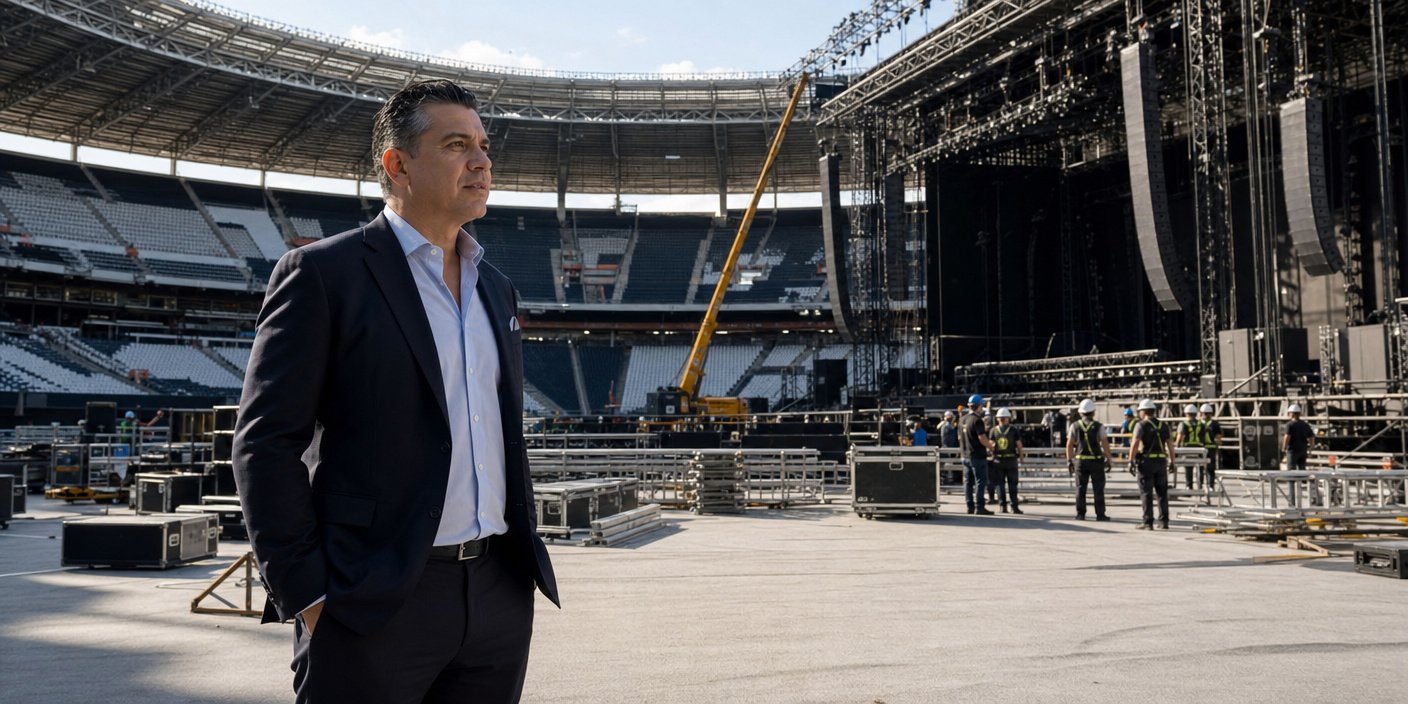
In the volatile landscape of the global music business, few executives see the horizon as clearly as Phil Rodriguez. As the CEO of Move Concerts, Rodriguez has spent decades orchestrating the infrastructure that brings global superstars to Latin American fans. As the industry looks toward 2026, Rodriguez remains emphatically bullish, identifying the region not just as a touring destination, but as a critical growth engine that defies the digital isolation of the modern era. For Rodriguez, the secret to this resilience is simple: music and sports remain the last true tribal experiences in a fragmented world.
Key Highlights
- The Tribal Experience: Rodriguez posits that in an era of digital saturation, live, in-person stadium events are the only remaining “tribal experiences” that offer genuine human connection.
- LatAm as a Global Engine: Latin America has transformed from an afterthought into a tier-one touring market, crucial for the global revenue strategies of top-tier artists.
- Logistical Mastery: Successfully touring acts like Karol G and Ed Sheeran requires more than just booking; it demands complex, localized logistical operations that bridge cultural and infrastructure gaps.
- 2026 Market Outlook: The continued expansion of mid-tier and stadium-level touring suggests that the Latin American market will continue to outpace traditional Western touring growth rates.
The Anatomy of the New Latin American Touring Boom
Phil Rodriguez’s optimism for the Latin American market is not merely sentimental; it is rooted in data and operational reality. While North American and European markets grapple with audience fatigue and inflation-driven ticket price sensitivity, Latin America is experiencing a distinct upward trajectory. The region’s appetite for live entertainment has shifted from niche to mainstream, with stadium-level production becoming the industry standard rather than a rare anomaly.
Defining the Tribal Experience
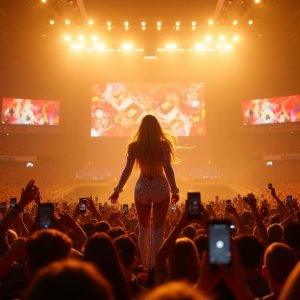
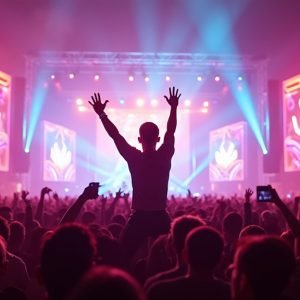
Rodriguez identifies a fundamental shift in consumer behavior. With the proliferation of social media and algorithmically curated entertainment, the “tribal experience”—the shared, synchronized emotional release of thousands of people in a single space—has become a premium commodity. “People are desperate for the collective,” Rodriguez notes. This psychological necessity explains why stadium touring has become recession-proof. When fans buy a ticket to a stadium show, they are not just buying a musical performance; they are buying entry into a temporary, physical community. This tribal nature is why demand remains inelastic, even as geopolitical and economic pressures fluctuate across the region.
Operational Complexity: The Karol G and Ed Sheeran Benchmark
Managing tours for global behemoths like Karol G and Ed Sheeran in Latin America is an exercise in high-stakes logistical engineering. Rodriguez emphasizes that the “plug and play” model used in the United States does not translate seamlessly to the LatAm market. Each country, and often each city, requires a bespoke approach to infrastructure.
For an artist like Karol G, whose cultural resonance is deeply embedded in the region, the logistical challenge involves managing massive influxes of demand while ensuring production quality rivals anything in Los Angeles or London. Ed Sheeran’s tours, conversely, often require unique stage configurations and acoustic management that test the capabilities of local venues. Rodriguez’s team at Move Concerts functions as the architectural bridge, ensuring that the global technical rider of these artists is met with the local reality of regional venues, security protocols, and ticketing infrastructure.
The Economic Ripple Effect
Beyond the artist’s revenue, Rodriguez highlights the secondary economic impact of touring. When a tour of this magnitude hits a city, it triggers a cascade of activity: hospitality, transportation, security, and local marketing. This is no longer a peripheral service industry; it is a primary driver of the urban experience. As cities in Latin America continue to modernize, the capacity to host these events has become a benchmark for a city’s status as a global hub. By securing these acts, Rodriguez is effectively placing these cities on the map of the global entertainment economy.
Challenges and Future Predictions for 2026
Looking toward 2026, the primary challenge for the industry will be balancing rapid expansion with sustainable growth. Infrastructure, particularly in secondary cities, remains a bottleneck. However, Rodriguez is confident that the sheer profitability of these events will incentivize the necessary capital investment. As more artists recognize the loyalty and sheer volume of the Latin American fanbase, the region will command a larger slice of the global touring budget. Rodriguez predicts that we are only at the beginning of this cycle, suggesting that the integration of digital ticketing, enhanced data analytics, and improved venue tech will further solidify the region’s position as a powerhouse.
FAQ: People Also Ask
Q: What is the primary role of Move Concerts in the industry?
A: Move Concerts is an independent concert promoter that specializes in orchestrating and executing stadium-level touring logistics throughout Latin America, bridging the gap between global artists and regional markets.
Q: Why does Phil Rodriguez describe music as a ‘tribal experience’?
A: He uses the term to describe the innate human need for collective, shared physical events in an increasingly digital and isolated world, arguing that live music provides a unique sense of community that cannot be replicated online.
Q: How does the Latin American touring market compare to North America in 2026?
A: Unlike more saturated, stagnant Western markets, Latin America is viewed as a high-growth engine, with a growing appetite for live events that is creating a sustainable and expanding pipeline for global acts.