Willie Colón, a titan of latin music, has died at age 75. His family confirmed the news on Saturday, February 21, 2026. Colón was celebrated as the architect of urban salsa. He passed away peacefully, surrounded by his loved ones. This news marks a profound loss for the music world.
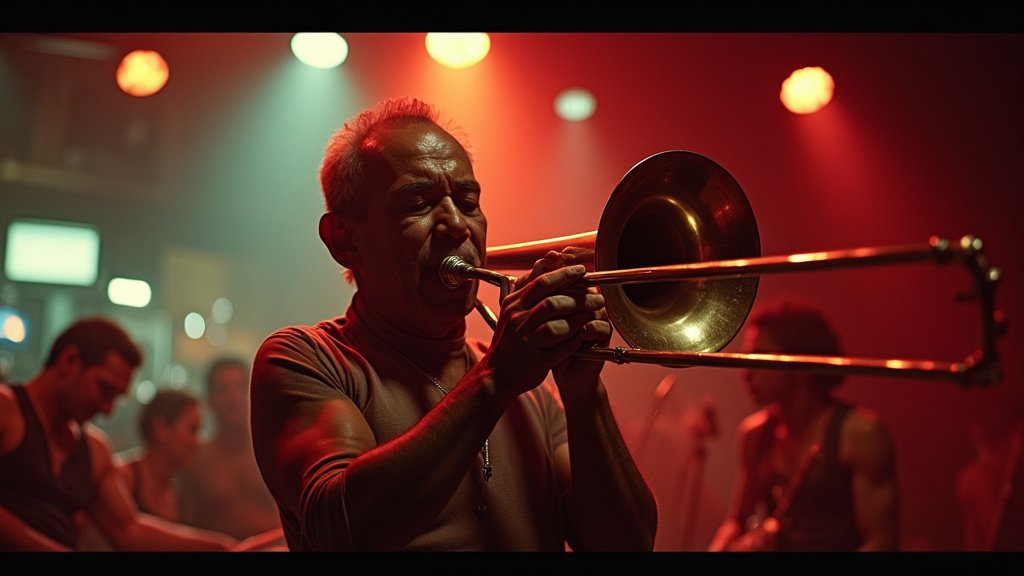
Colón was a Grammy-nominated trombonist. He was also a composer, arranger, and singer. His career spanned over five decades. He produced more than 40 albums. These albums sold over 30 million copies globally. He was a key figure in the Nuyorican salsa movement. His music fused genres like jazz, rock, funk, and R&B. He blended these with traditional Latin rhythms. This created a unique and influential sound. His trombone playing was distinctive. It became an echo of New York and the Caribbean. His manager called him an innovator. Colón expanded salsa’s reach. He politicized it. He brought urban stories to life through his music. His work took salsa to new stages. He truly transformed the genre.
A Bronx Native’s Musical Journey
William Anthony Colón was born in 1950. He grew up in New York City’s South Bronx. His parents were of Puerto Rican heritage. This background deeply influenced his art. He learned traditional Puerto Rican music. He was inspired by jazz and Afro-Caribbean sounds. Colón started with the trumpet. He later switched to the trombone. This instrument became his signature voice. He was signed to Fania Records at just 15. He recorded his first album at 17. This launched a legendary career. He became a pioneer in the nascent salsa scene. His early work captured the raw energy of barrio life. It offered a gritty contrast to polished sounds.
Collaborations That Defined an Era
Colón’s career was marked by powerful collaborations. He worked with Héctor Lavoe. Their partnership produced enduring classics. These songs captured hustling and urban pride. He was also a driving force behind the Fania All-Stars. This supergroup brought salsa to global stages. Historic concerts solidified their impact. Perhaps his most celebrated collaboration was with Rubén Blades. Their 1978 album, “Siembra,” became a monumental success. It remains one of the best-selling salsa albums ever. The pair masterfully addressed social issues. Their songs became urban parables. They tackled inequality, migration, and corruption. This elevated salsa as a vehicle for political commentary.
Beyond the Music: A Dedicated Activist
Willie Colón was more than just a musician. He was a dedicated civil rights activist. He championed many causes. These included immigration and affordable healthcare. He served in leadership roles for arts and advocacy groups. He was a member of the Latino Commission on AIDS. He also led the Arthur Schomburg Coalition for a Better New York. Colón even ran for Congress. He was involved in New York City politics for years. He served as a special assistant to Mayor David Dinkins. His activism showed his deep commitment to his community. He used his platform to advocate for change. His music often reflected these struggles and aspirations. The diaspora and homeland were central themes. His work explored Puerto Rican identity in the U.S.
An Enduring Legacy
Colón received numerous accolades. He was nominated for 10 Grammys. He earned a Lifetime Achievement Award from the Latin Recording Academy in 2004. Billboard named him among the most influential Latin artists. His manager stated that Colón changed salsa forever. He expanded its sound and consciousness. His trombone was described as the voice of the people. It bridged cultures and generations. Though his passing brings sadness, his music lives on. It continues to fill dance floors. It remains etched in the foundation of latin music. He leaves behind his wife, Julia, and four sons. His legacy is one of innovation, social consciousness, and undeniable musical genius.