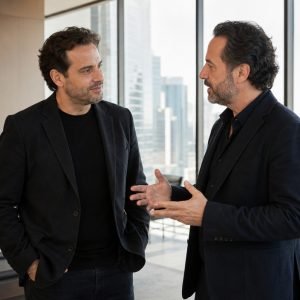

Latin Mafia’s meteoric rise from the intimate creative confines of their debut project, “Departamento,” to the massive, eclectic stages of Tyler, the Creator’s Camp Flog Gnaw festival, serves as a masterclass in modern, genre-fluid musical storytelling. The Mexican sibling trio—comprising Milton, Emilio, and Mike—has rapidly transitioned from viral internet sensations to touring heavyweights, a journey anchored by their insistence on emotional authenticity and collaborative fearlessness. In recent interviews, the group has opened up about the grueling yet rewarding creative process that fuels their artistry, specifically highlighting a transformative 50-hour recording session with British producer Fred Again.. that redefined their approach to sound design and emotional vulnerability.
The Architecture of ‘Departamento’
For Latin Mafia, “Departamento” is far more than a title of their debut project; it represents the literal and metaphorical starting point of their careers. Emerging from Mexico City, the brothers utilized the confined, intimate environment of their home space to foster a sound that feels simultaneously urban, nostalgic, and futuristic. Unlike bands that form through industry casting or label matchmaking, the trio’s dynamic is rooted in familial history, which translates into a unique, almost telepathic synergy on stage. This “Departamento” ethos—a focus on DIY production, raw storytelling, and a refusal to be boxed into a single genre—has become their calling card. By stripping back the noise and focusing on the core melody and emotion of their compositions, they have created a brand of Latin music that resonates with global audiences who may not even speak the language but feel the underlying frequency of their tracks.
50 Hours of Sonic Exploration: The Fred Again.. Sessions
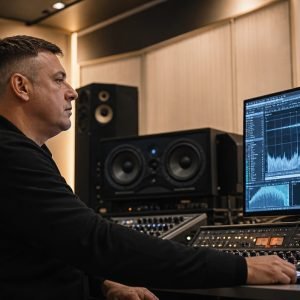
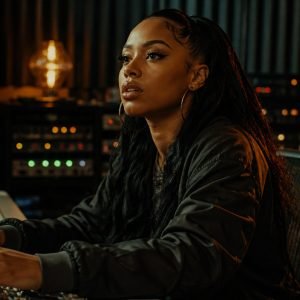
One of the most discussed chapters in the group’s recent narrative is their high-profile, intense collaboration with Fred Again… The producer, renowned for his ability to capture the “euphoria of the everyday,” found a kindred spirit in the Mexican trio. The resulting 50-hour marathon session was not merely about writing a track; it was a deep dive into sonic exploration. During this time, the brothers and Fred traded roles, methods, and musical philosophies.
Industry insiders note that such collaborations are rare because they require a level of vulnerability that most artists are guarded about. Latin Mafia has stated that this process taught them to “trust the imperfection.” The session shifted the way they approach their own production, moving from structured song-writing to a more fluid, stream-of-consciousness style of capturing melodies. This collaboration acts as a bridge between the Latin urban scene and the global electronic community, positioning Latin Mafia not just as regional performers, but as international architects of sound.
Scaling the Main Stage: Camp Flog Gnaw and Beyond
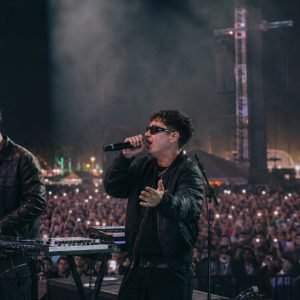
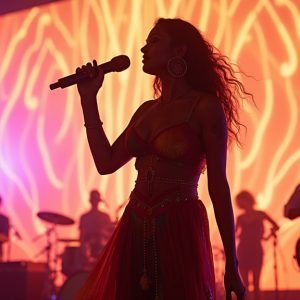
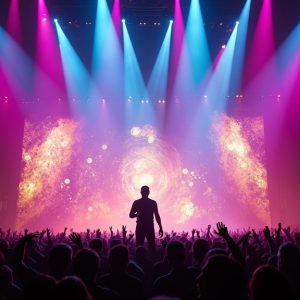
The invitation to play Camp Flog Gnaw was a critical milestone in the group’s touring career. The festival, curated by Tyler, the Creator, is known for its highly specific, discerning audience that prizes originality over industry trends. Latin Mafia’s set was characterized by an intensity that many critics labeled as one of the weekend’s highlights. Their performance did not rely on heavy backing tracks or over-produced stage theatrics; instead, it relied on the sheer, kinetic energy of the siblings.
They managed to command the crowd, creating an immersive experience that mirrored the intimacy of their studio sessions. For the trio, playing this festival was less about validation and more about cementing their place in a lineage of genre-bending artists. The reception of their set confirms that the global music market is hungry for acts that can blend the raw, percussive elements of reggaeton and Latin urban music with the atmospheric, emotive textures of alternative pop and electronic music.
The Sibling Dynamic: Authenticity in the Streaming Era
The rise of Latin Mafia also offers a fascinating study in the “sibling band” phenomenon. In an era dominated by solo artists and curated, multi-producer projects, the brothers offer a refreshing, tangible human element. Their ability to bicker, harmonize, and share a creative vision is palpable in their live performances.
Beyond their artistic output, their growth also reflects the shifting economic landscape of the music industry. They have effectively leveraged social media not to sell a product, but to sell a lifestyle and an origin story. By keeping the “Departamento” narrative at the center of their brand, they have maintained a high level of audience trust, ensuring that every move—from major collaborations to festival slots—feels like a logical, earned step rather than a manufactured industry push. As they look toward their next project, the pressure to replicate their past success is high, but the trio seems unfazed, preferring to rely on the same collaborative, high-energy methods that got them to this point in the first place.
FAQ: People Also Ask
Q: What is the significance of ‘Departamento’ for Latin Mafia?
A: ‘Departamento’ refers to the group’s origins and their debut creative project, which was developed in a DIY, intimate home studio in Mexico City. It represents their commitment to authentic, independent storytelling.
Q: How did the collaboration with Fred Again.. come about?
A: The collaboration was born out of mutual respect for their respective production styles. They engaged in an intensive 50-hour studio session, which allowed them to exchange creative methodologies, blending Latin urban soundscapes with electronic, emotive textures.
Q: Why was the Camp Flog Gnaw performance considered a breakthrough?
A: The performance at Camp Flog Gnaw marked a transition for Latin Mafia from digital viral success to a legitimate, high-tier touring act. It proved they could command a discerning international festival crowd with an authentic, raw, and high-energy live show that bridged cultural and linguistic divides.