The Sonic Intersection of Tradition and Modernity
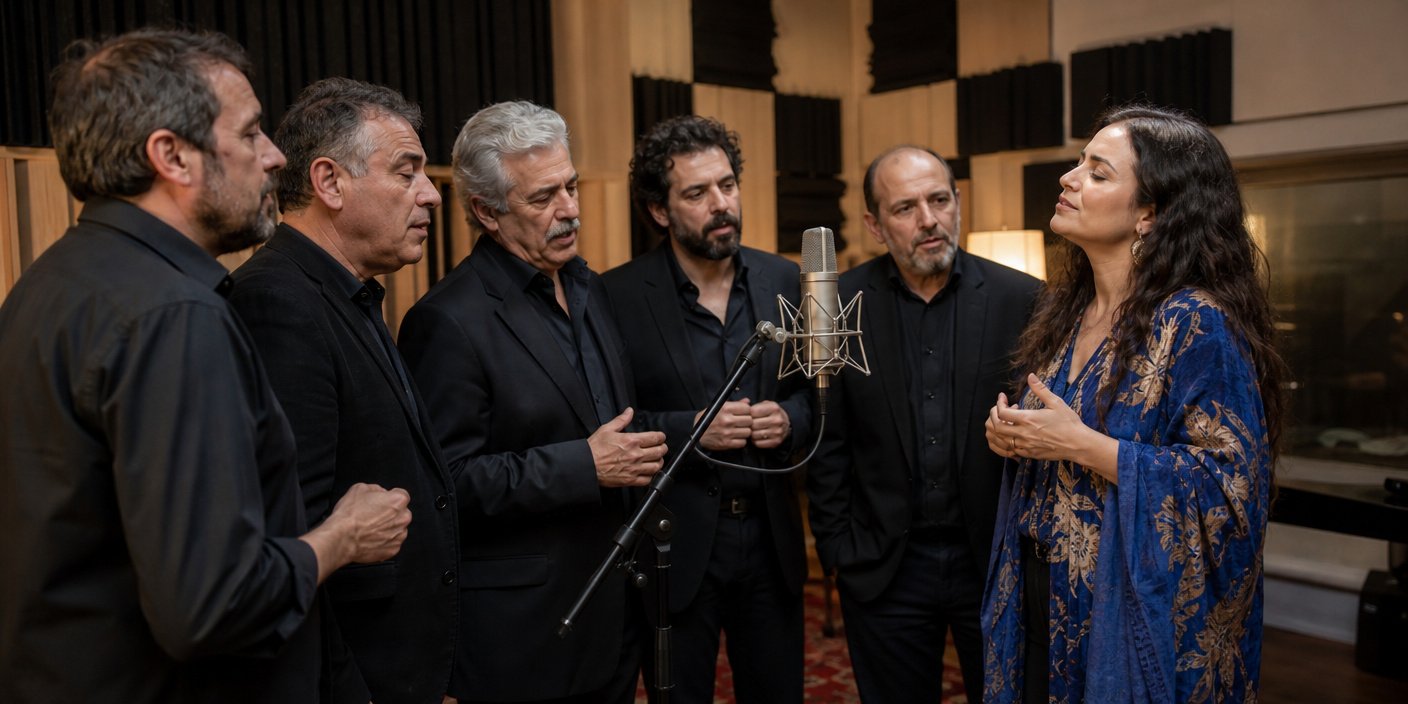
The landscape of Portuguese music is currently undergoing a subtle yet profound shift, and the latest release from the quintet Bandidos do Cante, titled “Fora da Lei,” sits at the epicenter of this evolution. By enlisting the vocal talents of Carolina de Deus, the group has successfully bridged the gap between the deeply rooted, UNESCO-recognized tradition of Cante Alentejano and the sensibilities of contemporary pop music. This is not merely a remix or a standard collaboration; it is a calculated artistic statement that challenges the boundaries of what constitutes ‘traditional’ folk music in the 21st century.
Breaking the Mold of Cante Alentejano
Cante Alentejano, traditionally an acapella choral tradition originating from the Alentejo region in southern Portugal, is characterized by its polyphonic structure and absence of instrumental accompaniment. It is a genre that thrives on communal storytelling, labor themes, and the human voice’s raw, emotive power. Bandidos do Cante have long been recognized for their respect for these origins, yet “Fora da Lei” marks a departure from pure orthodoxy. The production introduces melodic contours and rhythmic textures that are distinctly contemporary. By integrating these modern flourishes, the group is engaging in a process of cultural preservation through innovation. They are ensuring that the genre remains a living, breathing entity rather than a museum piece, effectively inviting younger listeners—who might otherwise overlook choral folk music—to engage with the soul of the Alentejo.
The Carolina de Deus Factor
Carolina de Deus brings a specific brand of pop-inflected vocal agility to the track that contrasts sharply, yet harmoniously, with the deep, earthy tones of the quintet. Her inclusion is the “Fora da Lei” (Outlaw) component of the song’s identity. She acts as a foil to the collective vocal strength of the group, providing a soaring, melodic lead that guides the listener through the more complex choral arrangements of the band. This dynamic creates a “push-pull” effect: the band provides the heavy, historical, and rhythmic anchor, while de Deus provides the narrative flight. It is a masterful use of contrast that prevents the track from becoming stagnant, ensuring that the listener remains locked in from the opening measure.
Production Techniques and Soundscape
The engineering on “Fora da Lei” reflects a meticulous attention to sound design. The producers involved in this project clearly understood the challenge of balancing the natural reverberation characteristic of Cante—traditionally sung in tavern settings or open fields—with the polished, tight sound of modern studio recording. The result is a soundscape that feels expansive and “outdoor” in its scope, yet intimate in its clarity. The instrumentation—where present—is sparse, deliberately allowing the interplay between the choral foundation and the solo vocals to dominate the frequency spectrum. This restraint is a testament to the group’s maturity; they know exactly when to fill the air with harmony and when to let the silence do the work.
The Broader Cultural Implications
What makes the release of “Fora da Lei” significant is not just the musical quality, but the statement it makes about cultural ownership. Often, traditional genres are protected by rigid barriers that prevent evolution, fearing that modernization equates to dilution. Bandidos do Cante are challenging this narrative. By working with a contemporary artist like Carolina de Deus, they are asserting that Cante Alentejano is a robust enough genre to withstand—and even thrive under—modern experimentation. The track serves as a bridge, potentially opening doors for the group to reach international markets where the nuances of Portuguese folk might be lost, but the emotional delivery of the performance will resonate universally. It is a calculated, artistic risk that seems to have paid off, signaling a “new era” for the quintet and possibly influencing the next wave of traditional folk-fusion in the Iberian Peninsula.
FAQ: People Also Ask
Q: What is Cante Alentejano?
A: Cante Alentejano is a traditional form of polyphonic singing from the Alentejo region of Portugal, involving groups of singers who perform without instrumental accompaniment. It was recognized by UNESCO as Intangible Cultural Heritage of Humanity in 2014.
Q: Who are the Bandidos do Cante?
A: Bandidos do Cante is a Portuguese quintet dedicated to interpreting and performing Cante Alentejano, often infusing the genre with fresh perspectives and, as seen in their latest release, contemporary collaborations.
Q: What is the significance of the song title “Fora da Lei”?
A: Literally translated as “Outlaw” or “Outside the Law,” the title reflects the artistic intent of the track: to break the “laws” or strict conventions of traditional Cante by integrating modern pop elements and external vocal collaborations.
Q: Is this the first time Bandidos do Cante has collaborated with pop artists?
A: While they have explored various arrangements, the collaboration with Carolina de Deus represents a distinct and high-profile intersection between their traditional roots and the mainstream Portuguese pop scene.