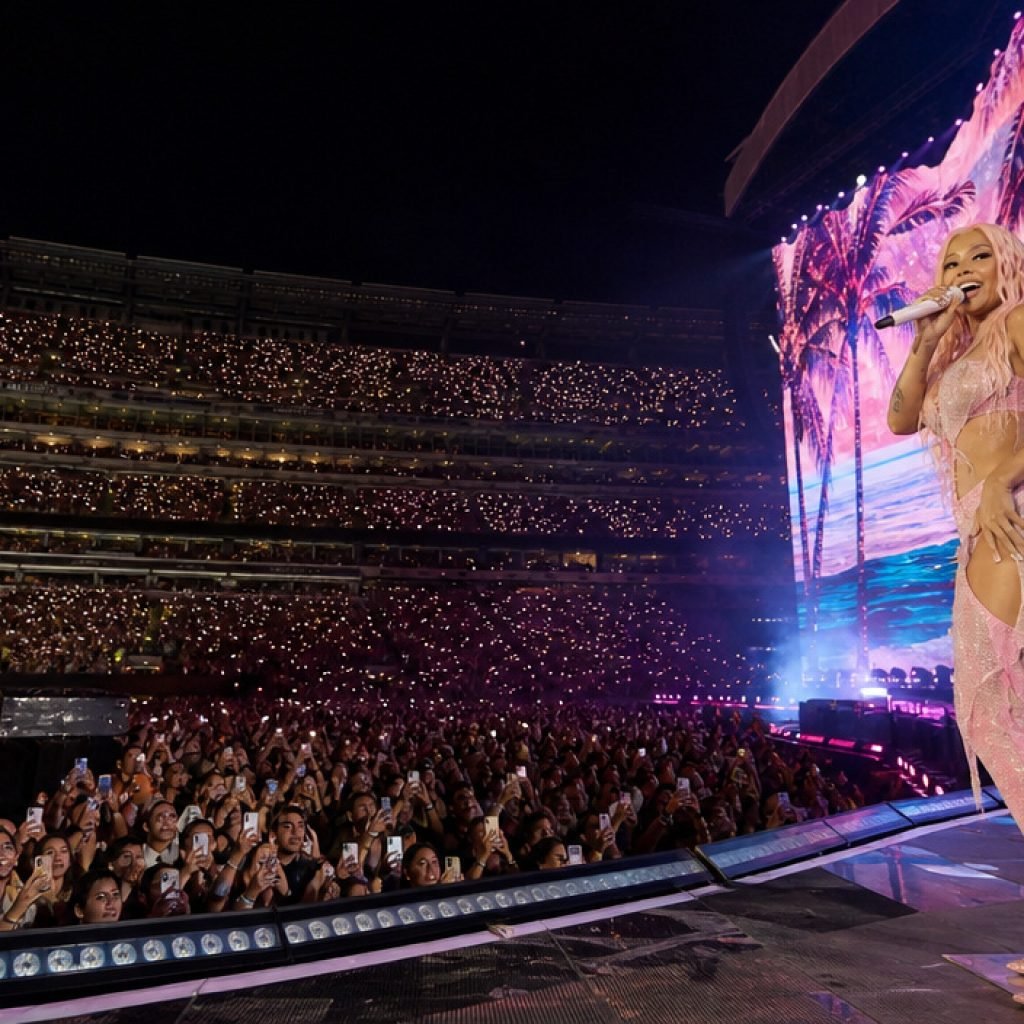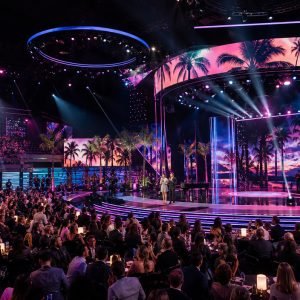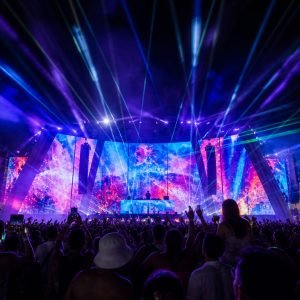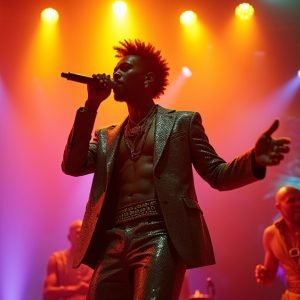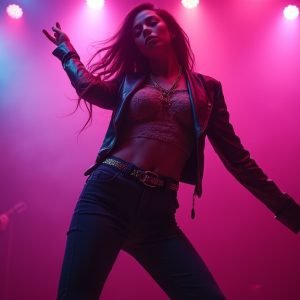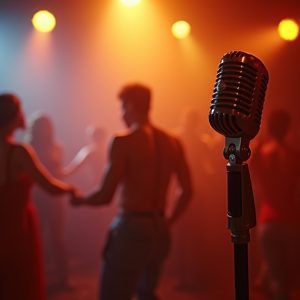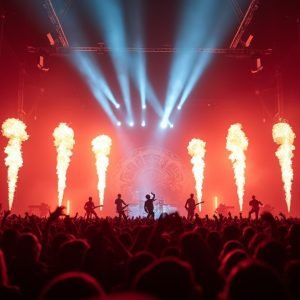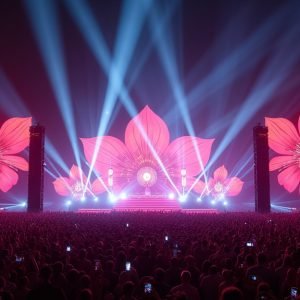
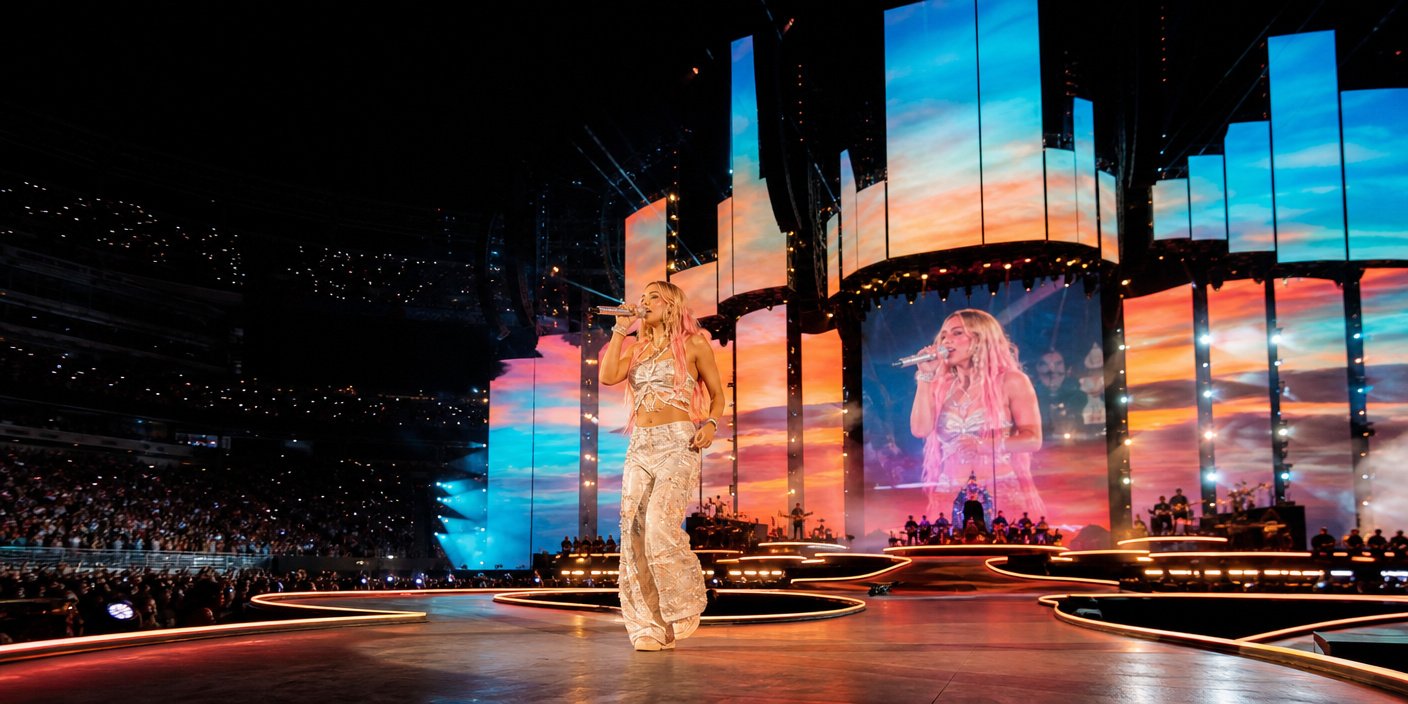
At the intersection of global superstardom and intimate musical vulnerability, Karol G has once again redefined the parameters of the Latin Urban experience. Performing to a sold-out crowd at MetLife Stadium in New Jersey, the Colombian icon delivered a masterclass in performance art as part of her highly anticipated ‘Viajando por el Mundo Tropitour’. This was not merely a concert; it was the coronation of her 2025 album, ‘Tropicoqueta’, a project that synthesizes traditional tropical rhythms with the expansive, maximalist production that has become her trademark.
Key Highlights
- Record-Breaking Production: The MetLife performance featured an elaborate multi-stage setup that utilized over 500 LED panels to visualize the ‘Tropicoqueta’ aesthetic.
- The ‘Tropicoqueta’ Sound: Karol G debuted several tracks from her 2025 album, showcasing a shift toward ‘Pan-Latin’ fusion that blends reggaeton roots with high-concept synth-pop.
- Camp Aesthetics: The show leaned heavily into the ‘camp’ visual identity, utilizing hyper-saturated color palettes and elaborate costume changes that referenced Colombian heritage through a futuristic lens.
- Economic Impact: The New Jersey date continues a trend of Karol G’s tour dates acting as massive revenue drivers for local tourism and service sectors, further cementing the commercial viability of Latin-led stadium tours.
The Tropicoqueta Era: A New Pinnacle of Latin Pop
The Architecture of a Spectacle
The ‘Viajando por el Mundo Tropitour’ is a stark departure from the more grounded, club-oriented origins of Latin Urban music. At MetLife Stadium, Karol G demonstrated that the genre has fully matured into the stadium-tour ecosystem. The stage design for this tour is a complex, sprawling landscape of interlocking platforms that allow the performer to maintain a connection with fans even at the furthest reaches of the arena.
From the moment the lights dimmed, the sheer scale of the production was evident. The ‘Tropicoqueta’ visual identity, which relies on a mix of vibrant Caribbean blues, aggressive sunset oranges, and metallic textures, permeated every inch of the stage. The choreography, often criticized in lesser pop shows for being repetitive, here felt like a narrative device. Every dance sequence was meticulously synchronized with the pyrotechnic cues, creating a rhythm that felt less like a series of songs and more like an immersive, episodic performance.
Analyzing the ‘Tropicoqueta’ Sonic Shift
Central to the night was the introduction of the material from ‘Tropicoqueta’. Fans were treated to a live unveiling of several tracks that indicate a bold evolution for the artist. While previous albums focused on the raw, often jagged edges of reggaeton, this new collection is polished, experimental, and deeply collaborative. The live renditions showcased a tighter integration of live instrumentation—brass sections and heavy percussion—sitting alongside programmed electronic beats.
This ‘Pan-Latin’ camp style serves a specific purpose: it bridges the gap between disparate regional sounds. By leaning into the theatricality of ‘Tropicoqueta’, Karol G is positioning herself not just as a singer, but as an auteur of the Latin Pop landscape. The ability to command a venue the size of MetLife while experimenting with new, unproven tracks is a testament to the ironclad loyalty of her fan base, known as ‘La Bichota’ loyalists, who received the new material with the same fervor as her decade-defining hits.
Secondary Angles: The Future of Latin Touring
To understand the magnitude of this performance, we must look beyond the stage. Firstly, the economic impact of the Tropitour cannot be overstated. Stadium tours led by Latin artists are now consistently outperforming legacy pop acts in terms of ticket sell-through and merchandising velocity. The MetLife date is expected to generate millions in local economic activity, signaling that these events are essential infrastructure for modern music cities.
Secondly, we must analyze the evolution of the ‘Camp’ aesthetic. Historically, camp in pop music has been a domain for Western artists like Lady Gaga or Madonna. Karol G’s adoption of this visual language marks a significant cultural shift. She is not merely imitating Western pop tropes; she is co-opting them to tell a story of Latinx excellence, luxury, and defiance. This is a critical development in the globalization of the genre.
Thirdly, regarding future predictions, the success of this tour suggests a move toward ‘Integrated Multimedia Tours.’ We are likely to see more artists follow this template, where the tour is not just a concert, but a live-action companion to the album release. As streaming numbers plateau, the live experience becomes the primary venue for artist identity and brand-building. The Tropitour sets the gold standard for how this integration should function in the post-2025 music industry.
FAQ: People Also Ask
1. What is the significance of the ‘Tropicoqueta’ album in Karol G’s career?
‘Tropicoqueta’ marks a pivot toward ‘Pan-Latin’ fusion, blending traditional genres with stadium-ready pop production, further establishing her as an experimental leader rather than just a hit-maker.
2. Why was the MetLife Stadium show considered a benchmark for the tour?
MetLife Stadium is one of the most high-capacity venues in the U.S. Selling out this venue is a metric of ‘superstar’ status; the production scale at this specific location proved the tour’s ability to scale up to massive, arena-sized infrastructure without losing the intimacy of the performance.
3. How does the ‘Viajando por el Mundo Tropitour’ incorporate ‘camp’ elements?
Through theatrical stage design, hyper-stylized costume changes, and dramatic visual motifs, the tour embraces the deliberate exaggeration of camp, using it to frame Karol G’s persona as both accessible and larger-than-life.