
The Latin Recording Academy has officially pulled back the curtain on the nominees for the 27th Annual Latin Grammy Awards, setting the stage for a cinematic showdown in the heart of Las Vegas. The announcement, released to feverish industry anticipation, reveals a rare and competitive landscape: four distinct acts—Karol G, Rosalía, Jorge Drexler, and the innovative duo CA7RIEL & Paco Amoroso—have each secured seven nominations, effectively splitting the field into a four-way race for the top honors. As the music industry prepares to converge on the MGM Grand Garden Arena on November 12, 2026, the nominations signal a profound pivot in the trajectory of Latin music, balancing global superstars with experimental trailblazers.
The Titans of 2026: A Statistical Breakdown
This year’s tally is a statistical anomaly that highlights the diversity of the current Latin music ecosystem. To have four artists tied with seven nominations each is a rarity in Academy history, suggesting a year where the voting bloc was deeply divided between established pop royalty and genre-defying avant-garde artists.
Karol G continues her reign as the premier force in reggaeton and urban pop, cementing her status as an industry juggernaut. Her seven nominations are a testament to the commercial and critical dominance of her recent studio output. Similarly, Rosalía, known for her meticulous fusion of flamenco roots with experimental pop, has once again captured the Academy’s attention, proving that her artistic evolution continues to resonate with both critics and voters.
However, the inclusion of Jorge Drexler and the Argentinian duo CA7RIEL & Paco Amoroso adds a layer of intellectual and sonic complexity to the list. Drexler, a veteran singer-songwriter, brings a lyrical depth that contrasts sharply with the high-energy, urban-fusion aesthetics of CA7RIEL & Paco Amoroso. Their inclusion underscores a critical shift: the Latin Grammys are increasingly prioritizing bold, genre-bending production alongside commercial viability.
The MGM Grand Garden Arena: The Vegas Factor
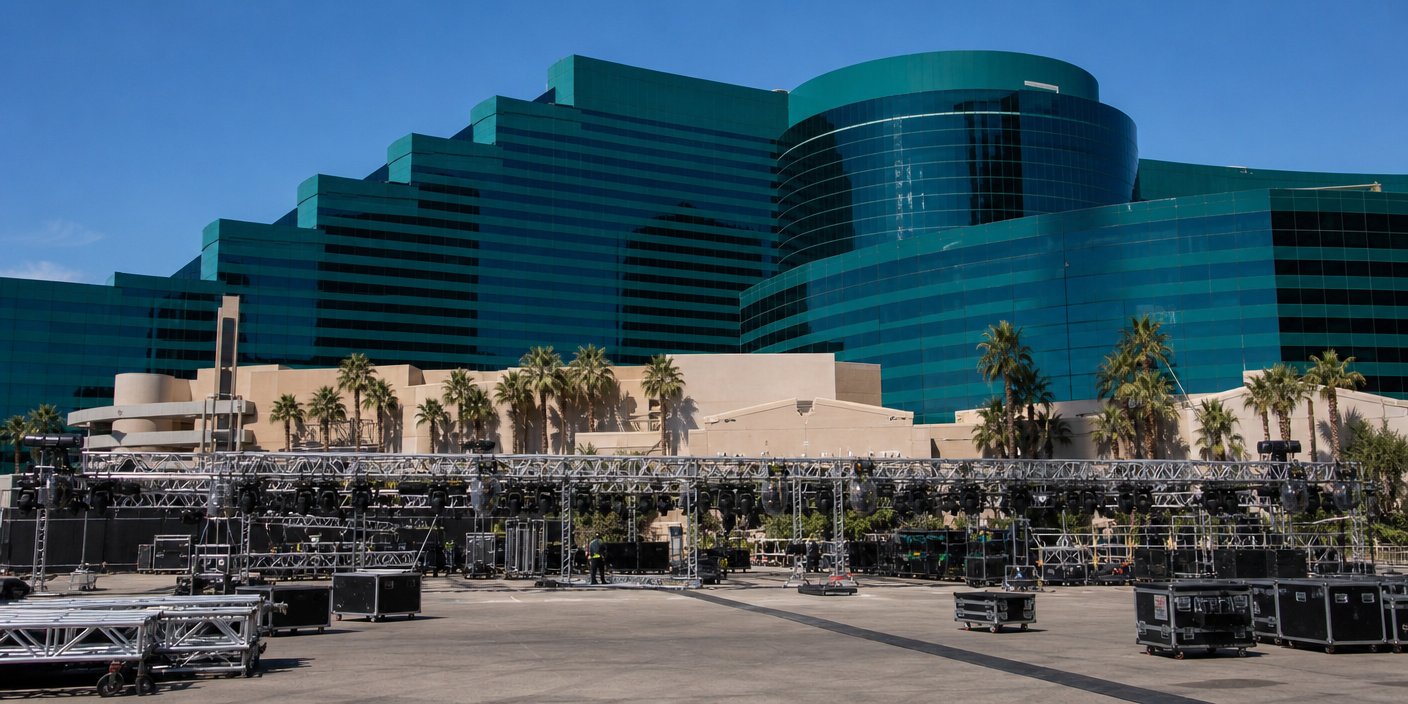
Selecting the MGM Grand Garden Arena for the November 12 ceremony is a calculated move by the Latin Recording Academy. Las Vegas has long been the spiritual home of the Latin Grammys, but the choice of the Grand Garden Arena—a venue defined by its massive capacity and ability to host world-class stagecraft—suggests that the 27th installment will be the most visually ambitious to date. The production team is expected to utilize the venue’s expansive floor space to facilitate the elaborate, multi-stage performances that have become the ceremony’s hallmark.
For the city of Las Vegas, hosting the event serves as a significant economic stimulus, drawing thousands of international industry executives, journalists, and fans. This residency in Sin City also allows for the integration of pre-ceremony events and showcases across the strip, turning a single night of awards into a week-long celebration of Latin cultural influence. The logistics of the MGM Grand are perfectly suited to the spectacle, providing the high-definition lighting and acoustic capabilities necessary for an event that is broadcast globally.
The Evolution of the Latin Sound: A Secondary Analysis
When we look at the trajectory of these nominations, three secondary angles emerge that define the current state of the industry:
1. The Death of Genre Boundaries: The success of CA7RIEL & Paco Amoroso is the clearest indicator that the ‘Urban’ and ‘Alternative’ silos are dissolving. The duo’s ability to weave rock, electronic, and rap elements is no longer an outlier; it is being treated as the new industry standard. Voters are rewarding artists who prioritize sonic exploration over rigid adherence to traditional radio formats.
2. The Sustainability of the Superstar: Karol G and Rosalía represent the ‘Global Pop’ phenomenon. Their nominations suggest that even as the industry experiments, it remains heavily anchored by artists who can sell out arenas worldwide. These artists are not just performers; they are brands that maintain a constant, high-level output, which keeps them at the forefront of the voting body’s consciousness.
3. The Longevity of the Songwriter: Jorge Drexler’s presence on the list acts as the anchor. His continued relevance proves that the Latin Grammy voting body retains a deep respect for the ‘author-singer’ tradition. In an era dominated by high-production beats, there remains a substantial appetite for the poetic, stripped-back storytelling that Drexler has championed for decades.
Future Predictions and Industry Impact
As we look toward November 12, the momentum is undeniably with the frontrunners. Predicting a winner in the major categories—specifically Album of the Year and Record of the Year—is nearly impossible given the even distribution of nominations. However, the true story of 2026 is not who wins the hardware, but what this list says about the future. The Academy is signaling that to be recognized at the highest level, an artist must now cultivate a ‘total package’ identity: one that combines high-concept visual art, rigorous musical training, and a deep understanding of digital-era audience engagement. Expect the 27th Latin Grammys to be a showcase not just of current hits, but of the blueprints for the next generation of Latin musical infrastructure.