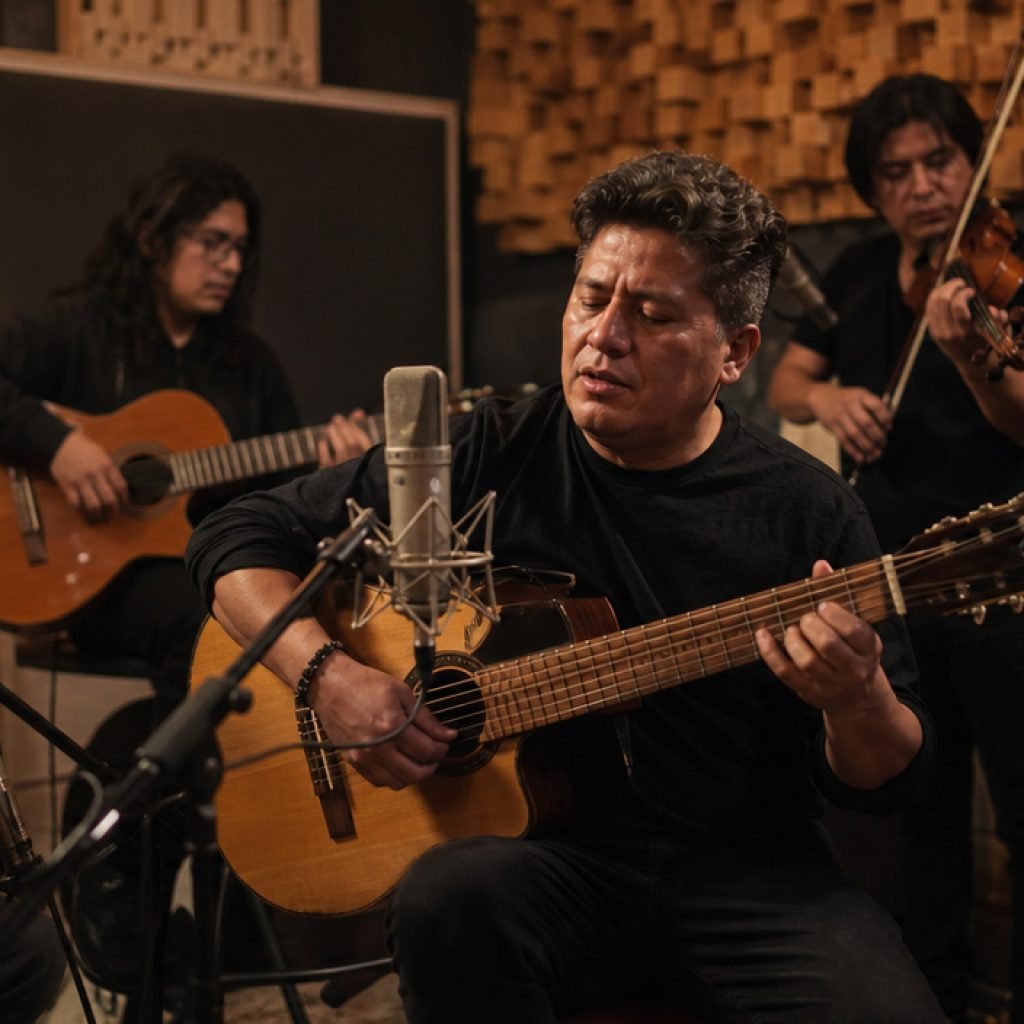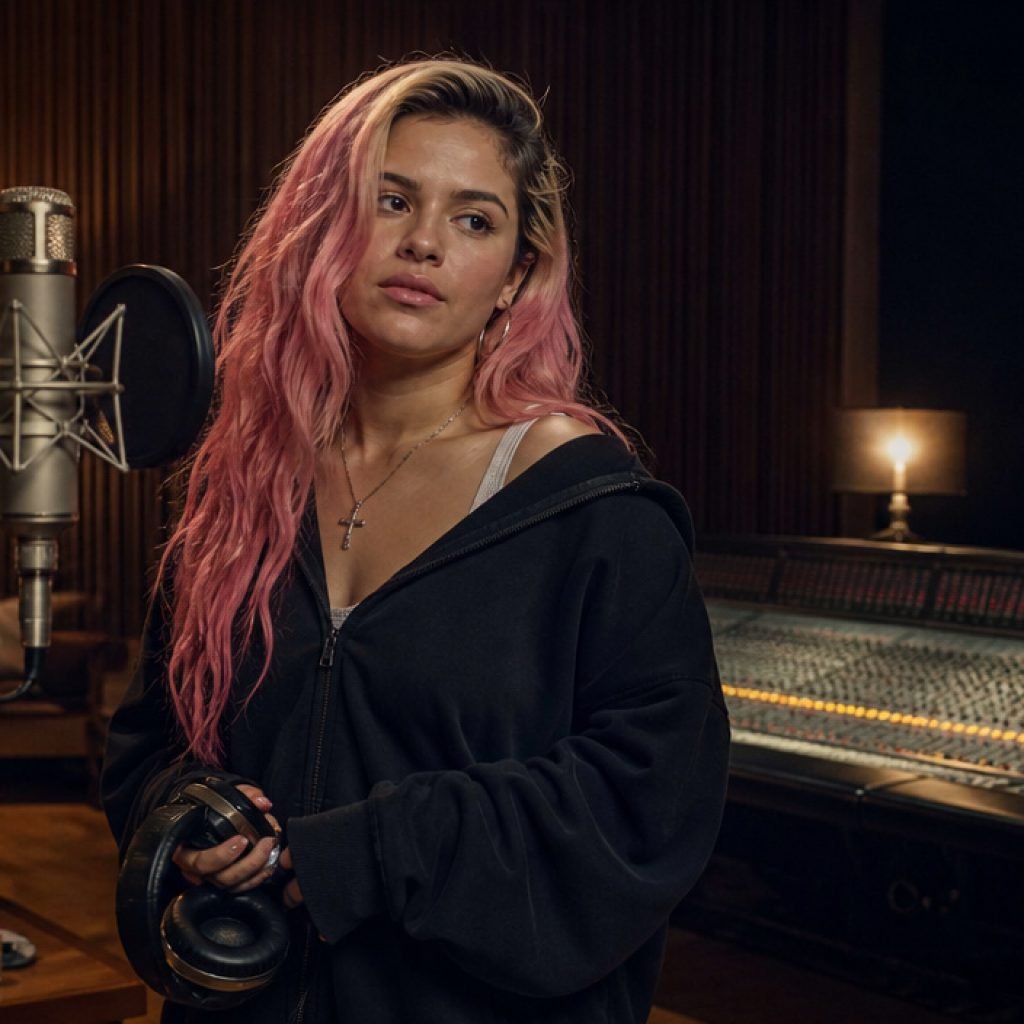
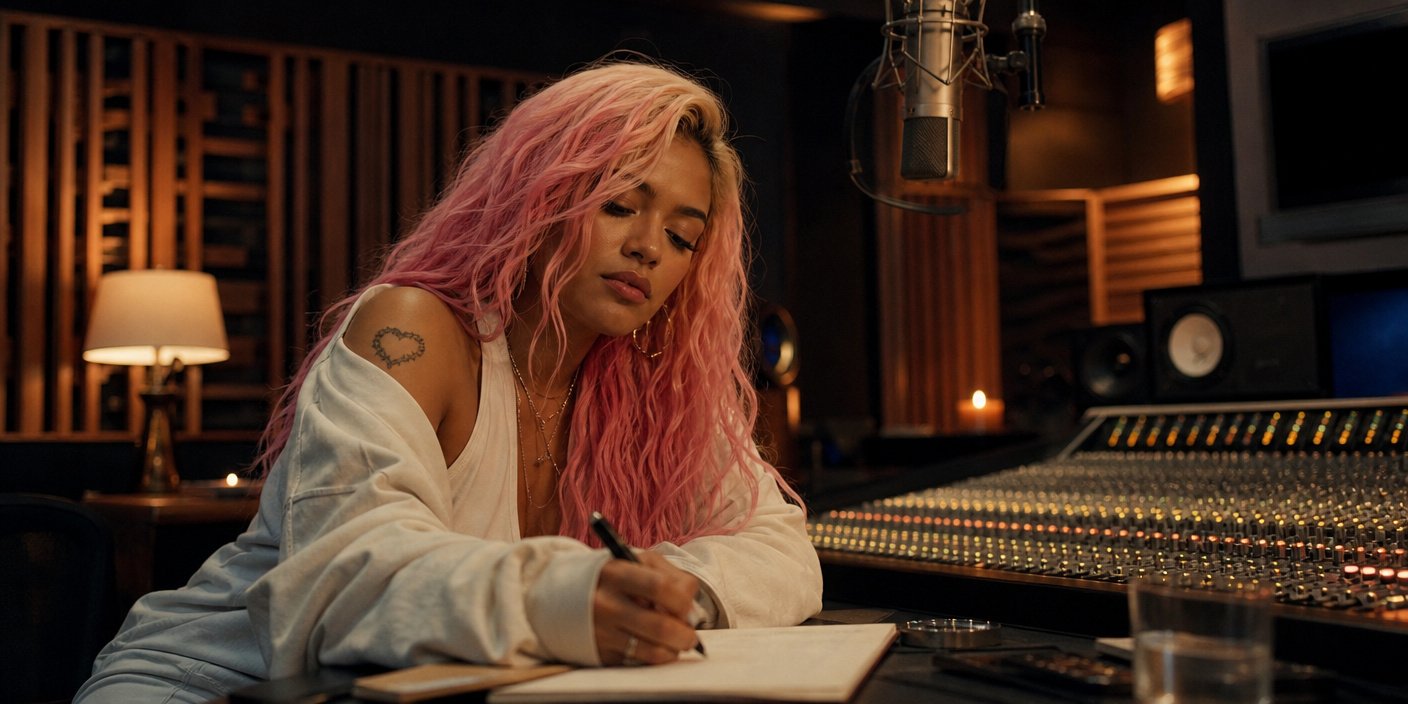
Colombian superstar Karol G has officially released her sixth studio album, titled ‘No me arrepiento de sentir tanto,’ a project that signifies a definitive artistic departure from her previous discography. Embracing themes of raw vulnerability, deep-seated nostalgia, and romantic reflection, the 14-track album signals a major pivot for the artist. The project, which arrives amidst massive anticipation, is bolstered by high-profile international collaborations, most notably with global heavyweights Bruno Mars and Drake, alongside innovative Spanish artists Judeline and Rusowsky, effectively bridging the gap between Latin urban royalty and the global alternative pop sphere.
Key Highlights
- Artistic Evolution: The 14-track project represents a thematic shift toward introspection, moving away from high-energy reggaeton toward a more nostalgic, vulnerable soundscape.
- Global Collaborations: The tracklist features major appearances by Bruno Mars and Drake, highlighting Karol G’s ability to anchor pop-R&B fusion in a Latin context.
- Indie Integration: The inclusion of Spanish indie darlings Judeline and Rusowsky underscores a commitment to artistic credibility and the elevation of emerging, avant-garde sounds.
- The Lead Single: The track ‘Still,’ featuring Bruno Mars, is positioned as the emotional anchor of the record, blending vocal-forward production with modern lyrical themes.
The Anatomy of an Artistic Pivot
‘No me arrepiento de sentir tanto’ is more than a collection of songs; it is a meticulously crafted statement of intent. For an artist like Karol G, whose career has been defined by chart-topping reggaeton anthems and high-energy performance, the pivot to a more grounded, emotional narrative is a calculated risk that reflects a maturing public persona. The decision to prioritize ‘vulnerability’ over danceability is a trend observed among major global stars who have reached the pinnacle of their commercial power and now seek to secure their legacy through substance rather than solely through tempo.
The Strategic Synthesis of Sound
The collaboration roster is perhaps the most intriguing aspect of this release. By bringing in Drake—a titan of the North American hip-hop and R&B charts—and Bruno Mars—a master of pop, funk, and soul craftsmanship—Karol G is effectively removing the boundaries that previously separated Latin music from mainstream global charts. The track ‘Still,’ featuring Bruno Mars, serves as the definitive proof-of-concept for this cross-pollination. It is not merely a song for the radio; it is a blend of sensibilities where Mars’s signature production style meets the Latin pop star’s evolved, more breathy, and intimate vocal delivery.
This integration extends into the aesthetic of the album as well. The presence of Spanish indie artists Judeline and Rusowsky provides a counterpoint to the massive, polished production of the Drake and Mars tracks. These features suggest an artist who is deeply plugged into the subterranean currents of Spanish-language music, utilizing her massive platform to validate and elevate the ‘bedroom pop’ and experimental sounds currently brewing in Madrid and beyond.
Analyzing the 14-Track Narrative
The structure of the 14-track project suggests a cohesive album experience, a rarity in an era of playlist-first consumption. By limiting the track count to 14, Karol G ensures that the theme of ‘No me arrepiento de sentir tanto’ remains the central focus. Each track seems designed to pull the listener further into this world of longing and reflection. The narrative arc appears to move from the chaotic, high-stakes nature of modern celebrity and relationship dynamics toward a resolution of self-acceptance—a literal translation of the album title, ‘I don’t regret feeling so much.’
Economic and Cultural Impact of Cross-Genre Collaborations
From a business perspective, the strategy is bulletproof. By leveraging the specific fanbases of Drake and Bruno Mars, Karol G is not only cross-pollinating her audience but also cementing her status as a global entity rather than a regional one. The economic implications are significant; such collaborations move the album from being a ‘Latin’ release to a ‘Global Pop’ release, granting it eligibility for broader award categories and wider radio rotation across non-Spanish speaking territories.
However, the artistic impact may be more important in the long run. By incorporating the textures of artists like Rusowsky and Judeline, the album avoids the ‘corporate crossover’ pitfall where collaborations feel forced. Instead, it creates a holistic ecosystem where the album feels curated rather than manufactured. This suggests that the future of Latin music dominance lies not just in the reggaeton rhythm, but in the hybridization of the genre with whatever sonic textures suit the artist’s current mood.
FAQ: People Also Ask
Q: What is the primary theme of Karol G’s new album?
A: The album, ‘No me arrepiento de sentir tanto,’ focuses heavily on themes of love, nostalgia, and emotional vulnerability, marking a departure from her previous uptempo reggaeton hits.
Q: Who are the surprise features on this 14-track project?
A: Beyond global stars Bruno Mars and Drake, the album features significant collaborations with Spanish alternative artists Judeline and Rusowsky.
Q: How does this album differ from Karol G’s previous work?
A: It represents an ‘artistic pivot’—moving toward a more intimate, reflective soundscape rather than the high-energy club-centric music that defined her earlier studio albums.
Q: What is the significance of the track ‘Still’ with Bruno Mars?
A: ‘Still’ serves as the emotional and stylistic anchor of the record, showcasing a fusion of pop-R&B with the specific, introspective mood the album aims to convey.