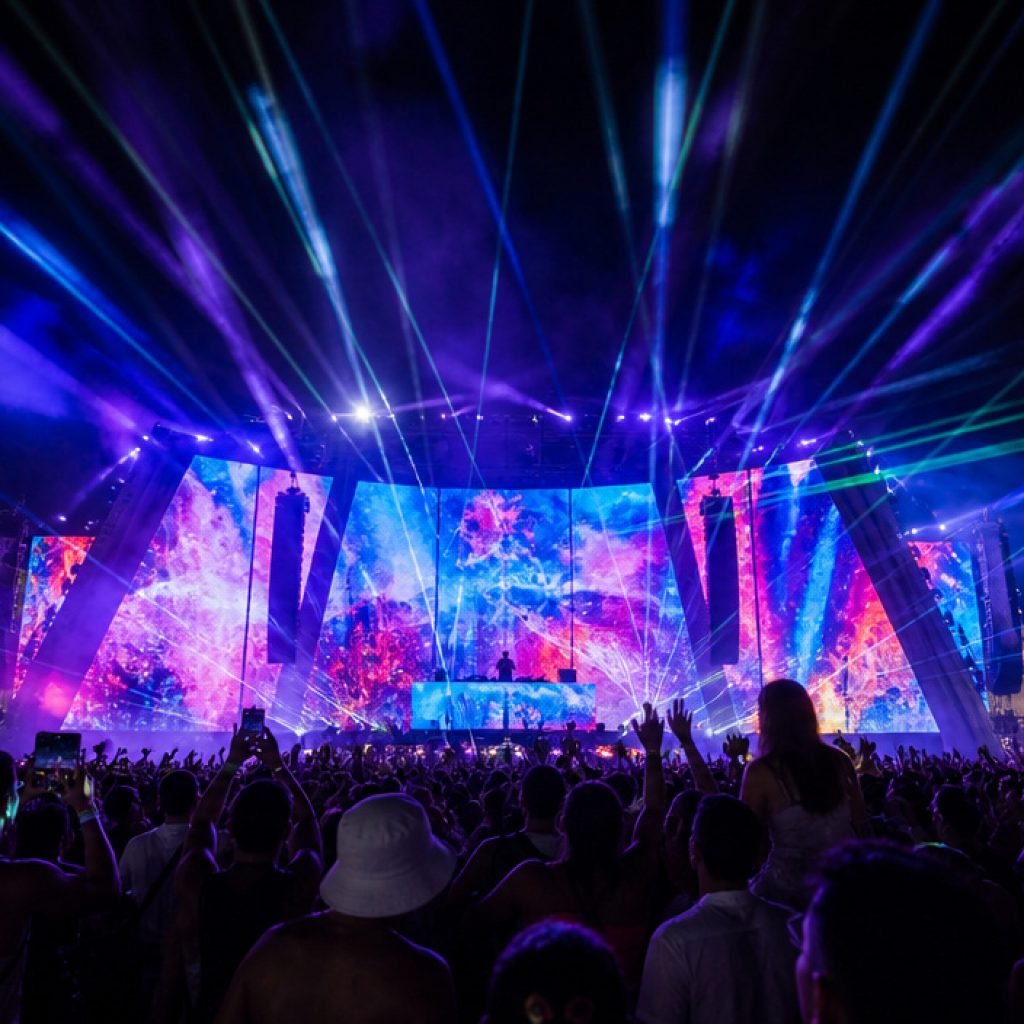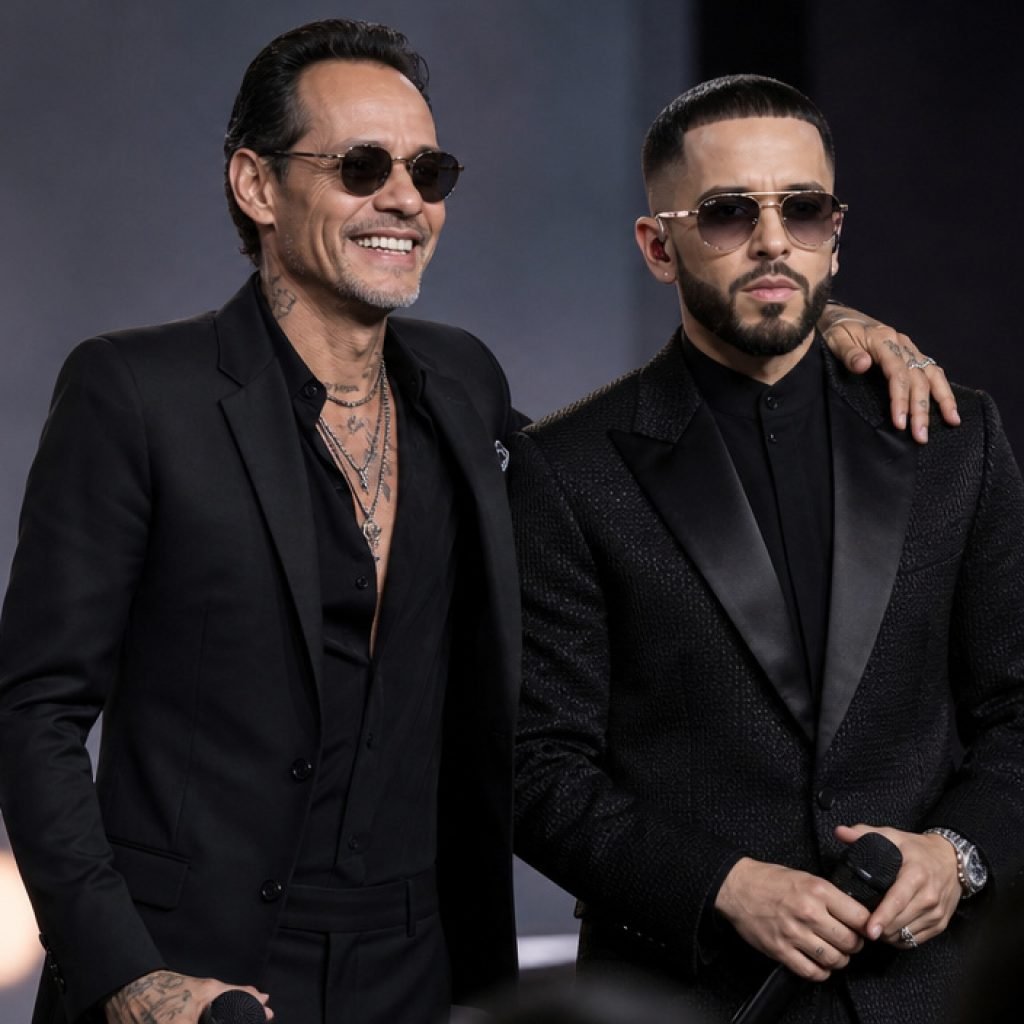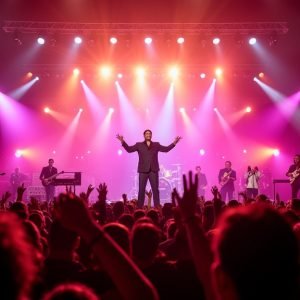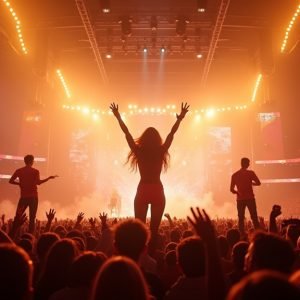
Hard Summer, the iconic Los Angeles electronic festival, has fundamentally evolved. Once a bastion of traditional mainstage EDM, the event has become the premier showcase for the massive cultural intersection of Latin identity and club music, with artists like Tokischa leading a charge that sees fan demographics and soundscapes shifting toward a distinct, Latin-centric future. This transformation is not merely a booking preference but a reflection of the regional culture that now defines the Southern California electronic music experience.
Key Highlights
- The integration of Latin rhythms into mainstage EDM represents the most significant cultural shift in LA festival history in the last five years.
- High-profile performances from artists like Tokischa have validated the cross-pollination of dembow, reggaeton, and house music, creating a new “Global Club” sub-genre.
- Attendees are increasingly utilizing festival attire to showcase Latin heritage, turning raves into platforms for cultural expression through the display of national flags and fashion.
- Insomniac Events’ curatorial focus on Latin-leaning acts directly correlates with the changing demographic realities of Southern California.
The Sonic Evolution of Hard Summer
For nearly a decade, the “Hard” brand, produced by Insomniac Events, served as a pilgrimage site for fans of bass music, dubstep, and traditional electro-house. However, the last three iterations of the festival have signaled a departure from that monoculture. The soundscape of Hard Summer has shifted significantly toward what industry insiders call “Latin-Electronic fusion”—a genre-bending sound that incorporates the syncopated rhythms of dembow and reggaeton with the high-octane BPMs of house and techno.
This is not a trend emerging in isolation; it is a direct response to the listening habits of the Los Angeles youth market. Statistics show that the region’s largest demographic is increasingly demanding music that reflects their dual-identity experience—the “pocho” culture of being both American and Latino. By blending acts that might have previously appeared at reggaeton-centric festivals like Flow Fest with the hard-hitting sound of mainstage EDM, Hard Summer has successfully captured a wider, more diverse audience. The festival has moved from being a monolithic electronic event to a hybrid music summit, effectively expanding its Total Addressable Market (TAM) by inviting in listeners who prioritize Latin-Caribbean influences alongside festival-grade production values.
Tokischa and the Global Club Revolution
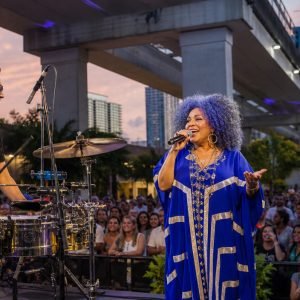
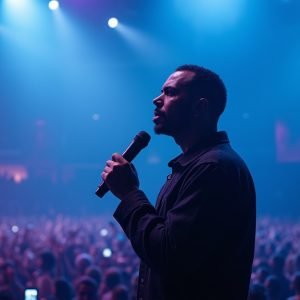
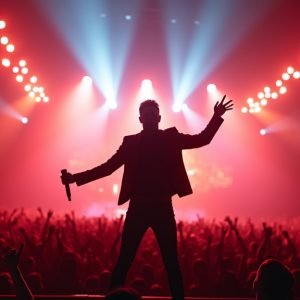
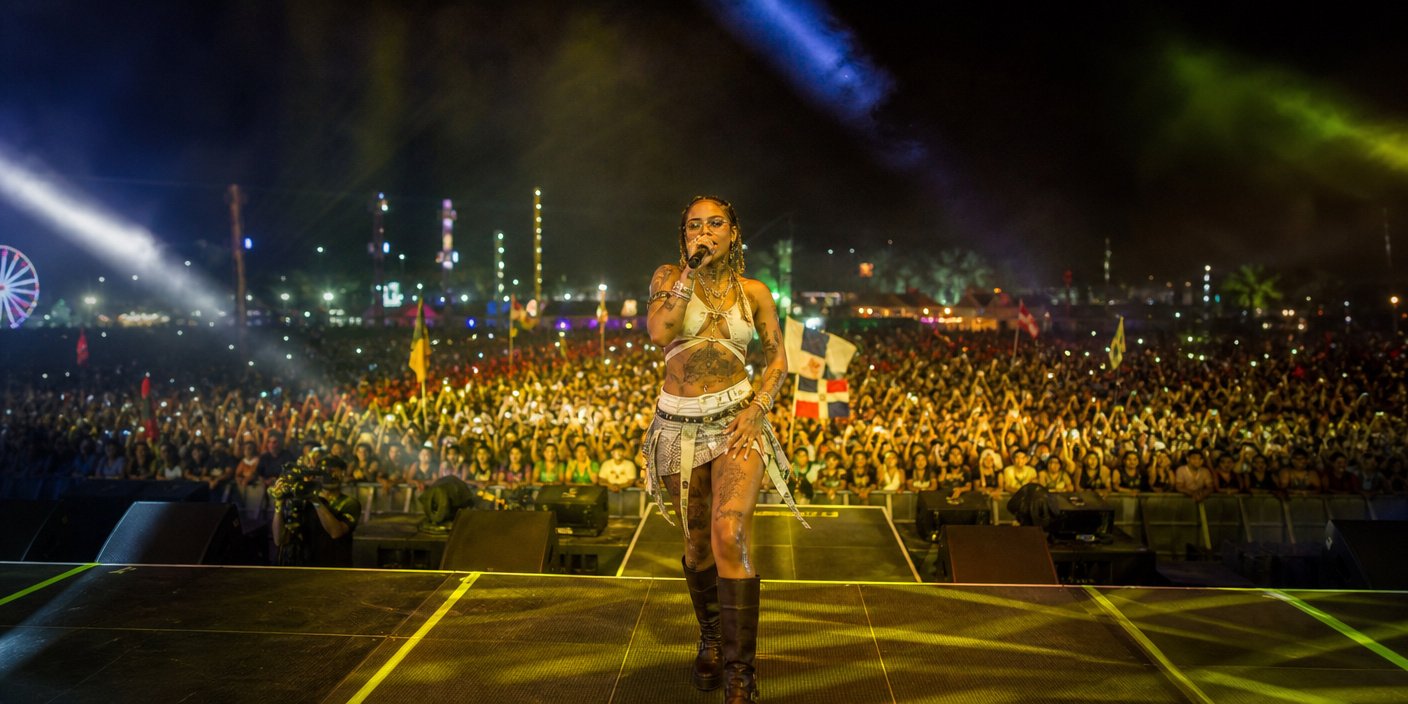
The booking of Dominican rapper Tokischa stands as a seminal moment for the festival’s pivot. Her presence on the lineup was not just a “genre outlier”; it was a thematic anchor. Tokischa, who has collaborated with superstars like Rosalía and J Balvin, brings a raw, counter-cultural energy that aligns perfectly with the rebellion of rave culture. When she hits the stage, the transition from “electronic music artist” to “cultural force” is complete. Her sets are characterized by intense physical movement, high-tempo Latin beats, and an atmosphere that bridges the gap between the underground rave warehouse and the stadium concert. This fusion has validated the “Global Club” sound, proving that the festival circuit is no longer confined by the strict genre boundaries of the 2010s.
The Visual and Demographic Shift
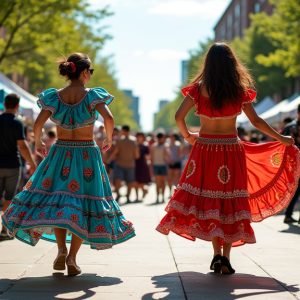
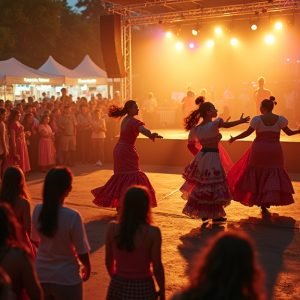
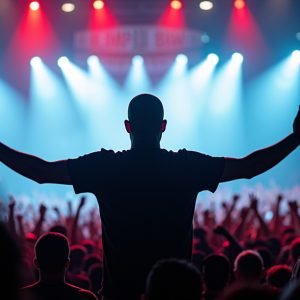
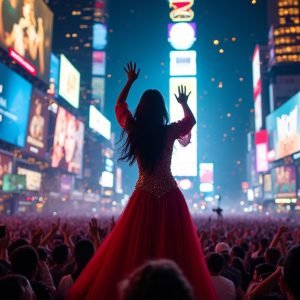
The cultural shift is perhaps most visible in the crowd, not just on the lineup cards. A walk through the Hard Summer grounds at Hollywood Park reveals a sea of national flags—representing countries across Latin America—draped over the shoulders of attendees. This is a deliberate act of identity curation. In years past, “rave fashion” was defined by PLUR (Peace, Love, Unity, Respect) bracelets and neon streetwear. While that aesthetic remains, it is now augmented by jerseys representing Latin soccer teams, stylized sombrero-infused streetwear, and fashion that blends club wear with traditional Latin patterns.
This shift challenges the historical homogenization of the “raver” identity. It suggests that for the Gen Z and Millennial attendees in Los Angeles, the festival is not an escape from their heritage, but a place to celebrate it. The presence of these flags signifies a comfort level with public displays of identity that was previously muted in the historically exclusionary landscape of American EDM.
Secondary Analysis: The Broader Impacts
Economic Impact and Lineup Homogenization
From a business perspective, the pivot toward Latin representation is a masterclass in market adaptation. The Latin music industry is experiencing explosive growth, with Latin artists consistently ranking in the top tier of global streaming charts. Festivals that fail to integrate these sounds risk alienating the primary consumer base in major urban centers like Los Angeles, Miami, and Chicago. By booking these acts, Hard Summer secures its economic relevance and ensures long-term viability in a competitive festival landscape.
The Generational Shift
We are witnessing a generational shift in what constitutes “dance music.” For younger ravers, the distinction between a “DJ set” and a “live performance” is blurring. This generation values the “vibe” over genre purity. They are just as likely to dance to a hard-techno edit of a Bad Bunny song as they are to a classic drum and bass track. This flexibility has allowed Hard Summer to curate lineups that are more representative of the actual playlists heard in the streets of Los Angeles.
Insomniac’s Strategy: Inclusivity as Business
Insomniac Events, the parent company, has long understood that inclusivity drives ticket sales. By leaning into the Latin demographic, they are not just “checking a box” for diversity; they are responding to the market’s demands for a festival experience that feels reflective of the local community. This strategy builds brand loyalty. When a festival makes the effort to honor the musical and cultural heritage of its local population, the event becomes a permanent fixture in that community’s cultural calendar.
FAQ: People Also Ask
Q: Is the shift to Latin-focused lineups limited to Hard Summer?
A: No. Major festivals across the US, including Coachella and EDC, are increasingly integrating Latin artists, reflecting a broader industry-wide recognition of the dominance of Latin music in the global streaming market.
Q: Does this shift mean traditional EDM is disappearing from Hard Summer?
A: Not at all. The strategy is additive, not subtractive. The festival maintains its core “Hard” identity—high-energy bass music—while layering in Latin-influenced acts to broaden the scope of the event.
Q: Why is Los Angeles the epicenter of this cultural shift?
A: Los Angeles has a unique demographic composition, with one of the largest Latinx populations in the United States. This population center, combined with a deep-rooted history of club culture, creates the perfect environment for this cross-pollination to thrive.