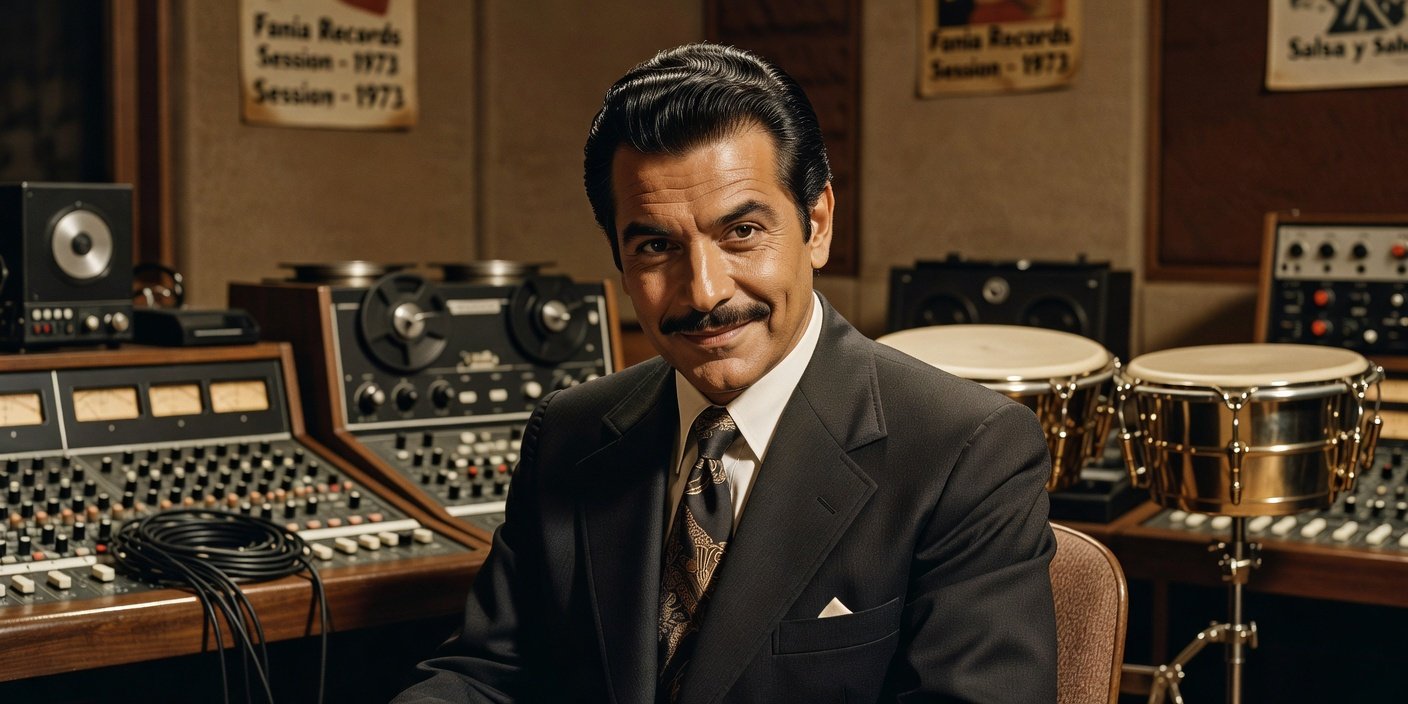
In the annals of Latin music history, few figures loom as large as the ‘Mambo King’ himself, Tito Puente. But beyond the timbales and the Grammy awards lies a different kind of story—one of professional mentorship and protective integrity in an era where women in the music industry were often sidelined or exploited. The account provided by journalist Aurora Flores-Hostos, detailing her early career encounter with Puente, has resurfaced as a powerful reminder of how cultural icons functioned as silent gatekeepers of dignity long before the #MeToo movement codified such standards. Her narrative is not just a recollection of a music legend; it is a critical piece of testimony regarding the hostile environments female music journalists faced in the 1970s.
The Anatomy of an Encounter
To understand the gravity of Flores-Hostos’s story, one must step into the shoes of a young, aspiring writer in the mid-1970s. The industry was, in many ways, an ‘Old Boys Club.’ Appointments were frequently held in environments designed to intimidate or leverage power over visitors. When Flores-Hostos walked into the office where she was to interview the King of Latin Music, she was met not with professional respect, but with a scene of casual, aggressive misogyny. She was an outsider in a room defined by the power structures of the era—structures that were frequently used to silence or diminish the voices of women.
Yet, the narrative pivots entirely on Tito Puente’s reaction. Rather than allowing the predatory atmosphere to continue, or remaining a passive observer of his own management’s toxic environment, Puente intervened. The ‘saving’ wasn’t a melodramatic act of heroism; it was the quiet, firm establishment of professional boundaries. By treating the young journalist with the respect due to a colleague, he disrupted the power imbalance in the room. He transformed a vulnerable situation into a professional engagement, signaling to everyone present that the rules of the game had changed. For the young writer, it was a moment of validation that fueled her career, proving that even within the chaotic world of the music business, integrity had a place.
The #MeToo Precursor in Latin Music History
Historians of the #MeToo movement often focus on the corporate and Hollywood arenas of the 2010s, but the arts and music world has been grappling with these dynamics for generations. Flores-Hostos’s account acts as a vital historical bridge. It illustrates that sexual harassment and the marginalization of women were not ‘discovered’ in the modern era; they were experienced, endured, and sometimes combated by women in every decade of the 20th century.
In the context of the Latin music scene in New York—a vibrant, complex ecosystem of clubs, labels, and street culture—the power dynamics were unique. It was a space where music was a survival mechanism for the community, yet the business side often mirrored the worst traits of mainstream corporate America. When artists like Tito Puente recognized this and chose to exert their influence to ensure a safe, professional space for journalists and collaborators, they were doing more than being ‘polite.’ They were actively shaping the culture of the industry, fostering an environment where critical, high-quality music journalism could survive because the people behind it were protected.
A Legacy of Mentorship and Discipline
Beyond the protective act, the story underscores Puente’s broader role as a teacher. Those who knew him describe a man who demanded the same precision in others as he did in his own music. He was a disciplinarian who valued the craft above all else. Whether he was instructing a young musician on a rhythm or acknowledging a journalist’s research, he was consistently focused on the ‘truth’ of the art form.
This devotion to the craft is why his intervention mattered so much. By treating Flores-Hostos’s inquiry as valid and worthy of serious attention, he elevated the entire field of music journalism. He demonstrated that the work—the writing, the documentation of the history of mambo, salsa, and jazz—was as critical as the performance itself. He wasn’t just a bandleader; he was an institutional force. The mentorship he provided, directly or indirectly, ensured that the stories of the community would be written by those who actually understood the music, rather than those looking to exploit it.
The Cultural Landscape: Why We Need This History
Why does this story resonate so profoundly in 2026? Because we are in a period of re-evaluating the historical canon of music and culture. We are no longer content with just the surface-level mythmaking of artists. We want to know who they were behind the scenes, how they treated the people around them, and what values they upheld. The ‘King’ of Latin music was not perfect, but his choice to act with integrity in a moment of crisis offers a blueprint for how industry titans can—and should—interact with the rising generation of writers, creators, and professionals.
Key Highlights
- The Integrity of Icons: The story highlights how Tito Puente used his status to shield a young writer from misogynistic power dynamics, setting a standard for professional conduct.
- Pre-MeToo Reality: Flores-Hostos’s account serves as crucial historical evidence that the issues now associated with #MeToo have been present in music journalism for decades.
- The Power of Mentorship: Puente is revealed not just as a musician, but as a cultural gatekeeper who valued the intellectual contribution of journalists to the Latin music scene.
- Institutional Impact: His actions helped preserve a professional environment where Latin music, history, and community could be documented accurately by dedicated writers.
FAQ: People Also Ask
1. Why is Aurora Flores-Hostos’s account significant?
It serves as a primary source document for the challenges faced by women in music journalism during the 1970s and 80s, offering a rare, candid look at the daily realities of the industry.
2. Did Tito Puente have a reputation for being a mentor?
Yes. Throughout the Latin music community, Puente was known for his high standards and his commitment to the next generation of musicians and writers. He was often referred to as a ‘master teacher’ by those who worked closely with him.
3. How does this story change our view of the 70s music industry?
It moves the narrative away from the glamorized, ‘rock-and-roll-lifestyle’ view to a more grounded, structural understanding of how power, gender, and professionalism collided in the industry.
4. Where can I find more about the history of Latin music journalism?
Publications like Latin N.Y., JazzTimes, and the archives of music historians like Flores-Hostos are essential resources for understanding the documentation of the Salsa and Mambo eras.