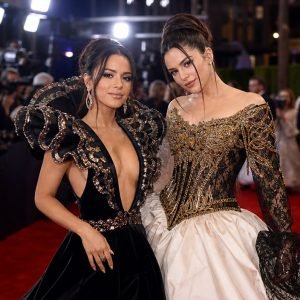
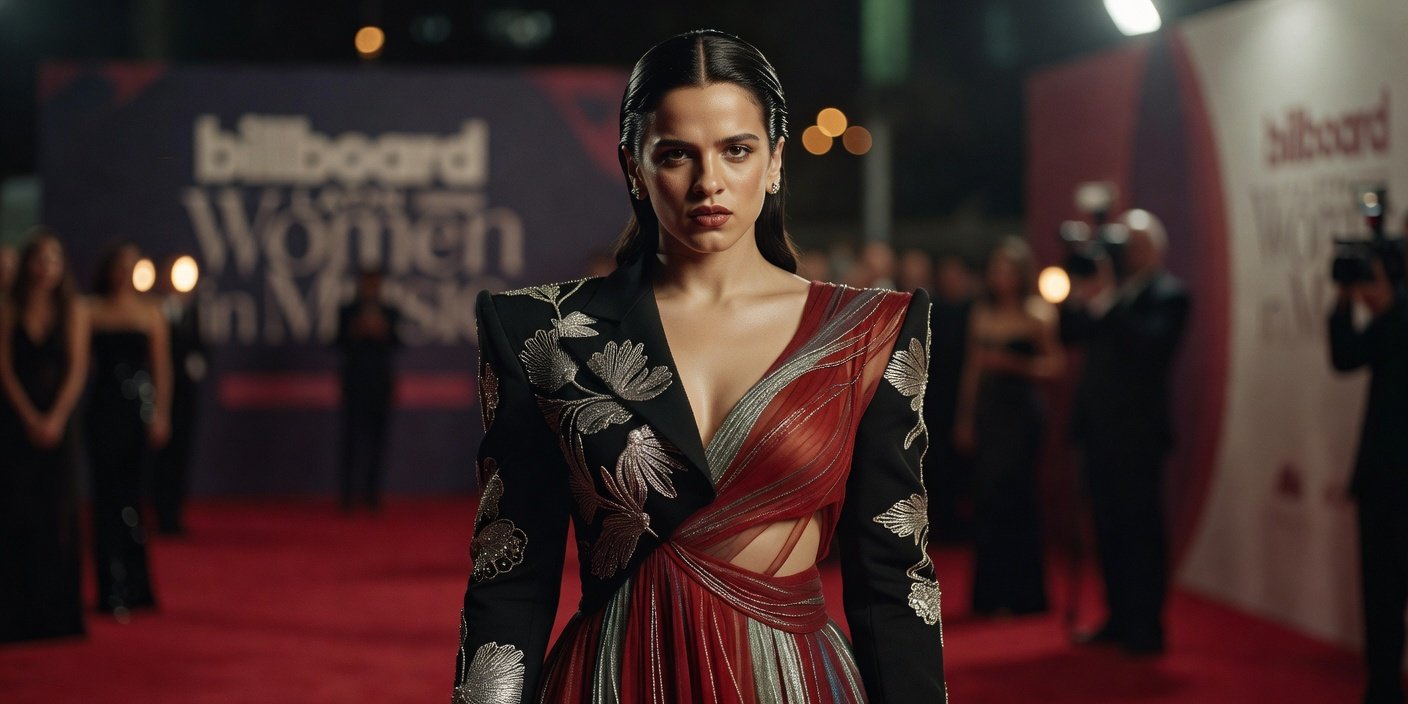
Rosalía officially took the throne at the Billboard Latin Women in Music 2026 gala in Miami, accepting the prestigious ‘Rosalía Woman of the Year’ honor amidst a star-studded evening that underscored the phenomenal, record-breaking rise of female Latin artists on the global stage. The ceremony, which brought together the most influential names in the industry, served not just as an awards night, but as a definitive statement on the genre’s massive cultural and economic momentum, celebrating a year where Spanish-language music continued to shatter barriers. The recognition of Rosalía as Woman of the Year highlights a significant moment for Latin music awards and the broader music industry trends.
Key Highlights of the Rosalía Woman of the Year Celebration
- Rosalía’s Coronation as Woman of the Year: The experimental pop luminary was the centerpiece of the event, receiving the ‘Woman of the Year’ award for her transformative impact on contemporary music, solidifying her status as a leading figure for Rosalía Woman of the Year.
- A Galaxy of Stars Honored at Billboard Latin Women in Music: The gala honored a diverse array of industry veterans and rising icons, including Gloria Trevi (Artistic Career), Ivy Queen (Pioneer), and Becky G (Global Impact), all contributing to the vibrant landscape of female Latin artists.
- Economic Milestone for Latin Music: The event spotlighted the RIAA report confirming Latin music in the U.S. reached a staggering $1 billion in annual wholesale revenue in 2025, marking the tenth consecutive year of growth and underscoring the significant Latin music revenue.
- Broadcasting the Movement: The ceremony was broadcast on Telemundo and the Peacock app, bringing the celebration of female excellence to millions of viewers worldwide, showcasing the global music impact of these artists.
The Architectural Shift of Latin Sound and Stardom, Featuring Rosalía Woman of the Year
The 2026 Billboard Latin Women in Music gala was far more than a standard awards show; it was a cultural barometer indicating where the music industry is heading. With Rosalía at the helm—a figure who has consistently dismantled the borders between traditional Spanish folklore and high-concept, avant-garde pop—the event highlighted a shift in how we define a ‘Latin superstar.’ The awarding of Rosalía Woman of the Year is a testament to this evolution.
Redefining the ‘Woman of the Year’ with Rosalía
Rosalía’s trajectory has been nothing short of meteoric. From her early days grounding her sound in the deep, resonant traditions of flamenco to her current status as a global producer and icon, she has maintained a distinct vision that refuses to conform to industry standards. Accepting the ‘Woman of the Year’ award, she represents a new generation of artists who view their cultural heritage not as a constraint, but as a limitless palette for innovation. Her music creates a bridge that connects the listener to the visceral, often painful, and beautiful roots of the Spanish experience while simultaneously pushing forward into the future of electronic and industrial pop. This award confirms that the music industry, and specifically the Latin sector, is increasingly willing to reward artistry that is challenging, complex, and deeply authentic, making the Rosalía Woman of the Year honor well-deserved.
The Pantheon of Honorees in Latin Music Awards
The gala also served to honor the lineage of female power in Latin music. By recognizing legends like Ivy Queen and Gloria Trevi alongside new-age stars like Young Miko and Lola Índigo, Billboard acknowledged the continuity of the struggle and the triumph. Ivy Queen, often cited as the ‘Queen of Reggaeton,’ receiving the ‘Pioneer’ award was a poignant reminder of the hard-fought battles women in urban music faced two decades ago to even have a seat at the table. Seeing her celebrated alongside contemporary hitmakers like Becky G, who received the ‘Global Impact’ award, creates a powerful narrative of succession and community. It reinforces that today’s global streaming dominance is built upon the foundational work of artists who carved out spaces where none existed, showcasing the rich history within Latin music awards.
The Economic Engine: Beyond the Glamour of Rosalía Woman of the Year
Underneath the lights and red carpet glamour lies a hard, verifiable truth: Latin music is a juggernaut of the modern entertainment economy. The $1 billion revenue figure reported by the RIAA is not just a statistic; it represents a fundamental change in listener habits, streaming algorithms, and label investments. For years, Spanish-language music was often siloed into ‘Latin’ charts, separate from the mainstream. The 2026 event highlighted how that wall has effectively crumbled. The revenue surge indicates that domestic US audiences are listening to Spanish-language tracks with the same voracity as English-language ones. This commercial success gives artists like Rosalía the leverage to experiment, take risks, and control their creative narratives—a level of power that was largely elusive a decade ago, further emphasizing the significance of the Rosalía Woman of the Year title.
Globalization and the ‘Rosalía Effect’ on Music Industry Trends
Perhaps the most compelling angle of the 2026 ceremony is what critics are calling the ‘Rosalía Effect.’ This involves the seamless integration of high-fashion aesthetics, theatrical performance, and sonic hybridity. By crowning her, the industry is explicitly endorsing a model of stardom that is intellectually rigorous. Her impact goes beyond her own discography; she has influenced a wave of artists to embrace their regional identities while utilizing globalized production techniques. This is creating a feedback loop where Latin music is no longer just ‘exporting’ to the world—it is dictating the global soundscape. From the incorporation of reggaeton beats in mainstream K-pop to the influence of flamenco rhythms in American R&B, the ripple effect of the sounds celebrated in Miami this Thursday is profound, showcasing significant music industry trends.
Future Predictions: Where Do We Go From Here in Latin Music?
As we look beyond the 2026 gala, the trend is clear: the integration of Latin culture into the mainstream is becoming total. We should expect to see more collaboration across linguistic lines, not as a gimmick, but as a standard practice. The success of artists like Julieta Venegas—also honored at the event for ‘Artistic Excellence’—suggests that there remains a massive, unquenchable appetite for lyrical depth and songwriting that transcends the dance floor. The future of this industry will likely depend on its ability to keep this balance—maintaining the high-energy, high-streaming appeal of urban music while ensuring that nuanced, meaningful artistry has a platform to thrive. The Billboard Latin Women in Music gala has effectively staked its claim as the premier event to watch for these cultural shifts, with the Rosalía Woman of the Year award being a prime example.
FAQ: People Also Ask About Rosalía Woman of the Year
1. Why is Rosalía considered the ‘Woman of the Year’ in 2026?
Rosalía received the title for her unparalleled influence in blending traditional Spanish influences with global experimental pop, her massive success on streaming platforms, and her ability to elevate Latin music as an avant-garde art form on the international stage, making her the definitive Rosalía Woman of the Year.
2. Who were the other major honorees at the 2026 Billboard Latin Women in Music event?
The event honored several key figures, including Gloria Trevi (Artistic Career), Ivy Queen (Pioneer), Becky G (Global Impact), Joy from Jesse & Joy (Spirit of Change), Julieta Venegas (Artistic Excellence), Lola Índigo (Evolution), and Young Miko (Unstoppable Artist), all celebrated within the context of Latin music awards.
3. Is Latin music actually the fastest-growing genre in the U.S.?
According to the latest RIAA data, Latin music in the U.S. continues to show exponential growth, reaching $1 billion in annual wholesale revenue in 2025. It is currently one of the most vital components of the American music industry, with consumption habits indicating that it is now a foundational part of mainstream popular culture rather than a niche sub-genre, a trend exemplified by the Rosalía Woman of the Year recognition.