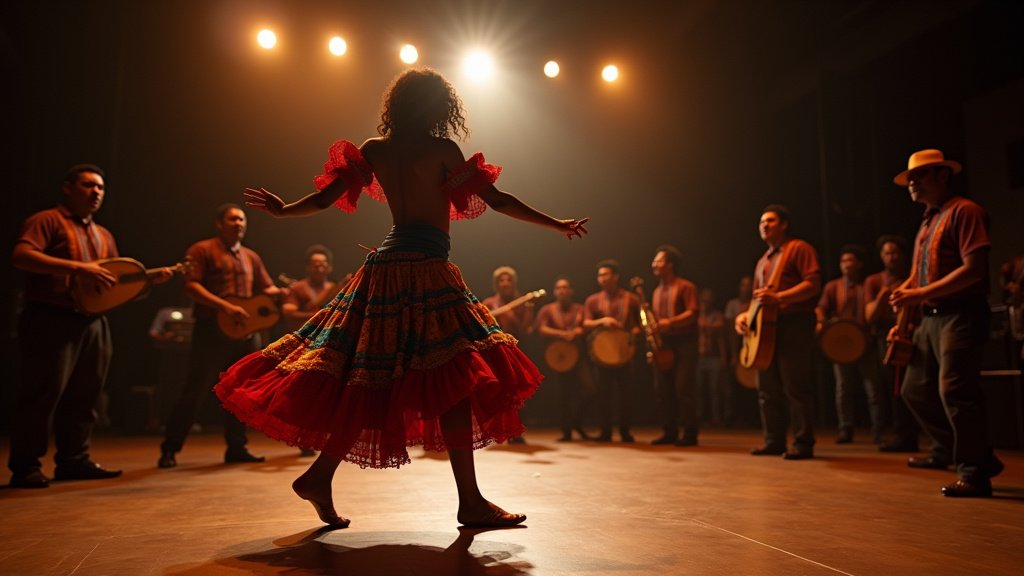
Northwestern University’s Harris Hall recently vibrated with the dynamic sounds and movements of Afro-Peruvian Dance Music during a special “Night of Peruvian Dance.” This immersive event, held on Wednesday evening, November 6, 2025, was a testament to the enduring legacy of Afro-Peruvian history and artistry, skillfully brought to life through a collaboration between Northwestern’s Latin Music Ensemble and the esteemed Center of Peruvian Arts in Chicago. The initiative was spearheaded by Rubén Pachas, director of the Center of Peruvian Arts and a passionate advocate for preserving the ancestral traditions of Peru. The vibrant rhythms and expressive movements showcased the heart of Afro-Peruvian Dance Music, a vital part of Peruvian music heritage.
A Deep Dive into Afro-Peruvian Heritage and Afro-Peruvian Dance Music
The evening’s program was meticulously designed to offer attendees a profound connection to Afro-Peruvian culture. Rubén Pachas, who also serves as an Indigenous Peruvian dancer and educator with a Master of Arts in Arts Education, opened the event by emphasizing the importance of learning about this vibrant heritage. He shared insights into Afro-Peruvian history, tracing the evolution of its unique music and dance forms, particularly the captivating Afro-Peruvian Dance Music. The event underscored a core belief, articulated by Pachas, that “art has evolution, but we have to conserve the roots.” This philosophy guides the Center of Peruvian Arts’ mission to pass down knowledge in an “Indigenous way” through classes, performances, and workshops that blend traditional techniques with contemporary expressions of Afro-Peruvian Dance Music.
Northwestern’s Latin Music Ensemble contributed significantly to the event, performing the Afro-Peruvian song “Ingá.” Their rendition featured traditional instruments, including the distinctive cajita, a small wooden percussion instrument with roots in religious donation boxes that has become a vital part of the Afro-Peruvian soundscape. A dancer then captivated the audience with the spirited Peruvian festejo, one of the most emblematic Afro-Peruvian dances. The festejo, derived from the Spanish word for “fiesta” or party, is a celebratory dance known for its energetic footwork, vibrant hip movements, and expressive nature, historically reflecting the resilience and joy within Afro-Peruvian Dance Music. The event concluded with attendees learning basic rhythms on the cajón, arguably the most iconic instrument in Afro-Peruvian music, a percussion box drum believed to have originated from repurposed shipping crates by enslaved Africans, a crucial element of Afro-Peruvian Dance Music.
The Center of Peruvian Arts: Guardians of Afro-Peruvian Dance Music Culture
Rubén Pachas and the Center of Peruvian Arts are at the forefront of promoting Peruvian heritage, particularly its Afro-Peruvian facets, in Chicago and beyond. Pachas, who relocated to Chicago in 2005 with his wife Jessica Loyaga, has dedicated his career to preserving indigenous Peruvian traditions through dance and education. He co-founded the Center of Peruvian Arts, which actively engages the community through workshops, performances, and classes, offering a bridge to Peru’s diverse cultural expressions. The Center’s work includes interactive Chicago cultural events that share Afro-Peruvian music and dance, including the lively Afro-Peruvian Dance Music, sometimes alongside other Peruvian traditions like those from the Andes or the Amazon, fostering a comprehensive understanding of the nation’s rich cultural tapestry. Their efforts ensure that these vital traditions are not only remembered but also continue to evolve and thrive for future generations.
Beyond a Single Performance: The Significance of Cultural Exchange in Afro-Peruvian Dance Music
Events like the “Night of Peruvian Dance” are more than just performances; they are crucial platforms for cultural education and preservation. In a globalized world, maintaining distinct cultural identities requires conscious effort and dedicated platforms for sharing. Afro-Peruvian music and dance, born from the historical experiences of enslaved Africans in Peru, represent a powerful narrative of survival, creativity, and celebration within the realm of Afro-Peruvian Dance Music. The cajón, cajita, and quijada de burro are not merely instruments but vessels carrying centuries of stories and resilience integral to Afro-Peruvian Dance Music.
The collaboration between academic institutions like Northwestern University and cultural organizations like the Center of Peruvian Arts highlights the importance of interdisciplinary approaches to understanding and celebrating diverse global cultures. These partnerships amplify the reach of Afro-Peruvian art forms, offering valuable top stories for cultural discourse on Afro-Peruvian Dance Music. By engaging audiences through music and dance, these events build bridges, foster mutual respect, and ensure that the vibrant spirit of Peru’s Afro-descendant communities continues to resonate, contributing to the rich mosaic of latin arts and culture through authentic Afro-Peruvian Dance Music.
The commitment to conserving cultural roots while embracing artistic evolution, as championed by Rubén Pachas, ensures that Afro-Peruvian traditions remain dynamic and relevant. Such initiatives serve as vital reminders of the depth and diversity within Peruvian heritage, celebrating the contributions of its Afro-Peruvian population through the universal language of music and dance, especially the captivating Afro-Peruvian Dance Music.