Karol G has officially moved beyond the label of a genre-specific chart-topper, cementing her status as a global touring powerhouse with a monumental double-header at New Jersey’s MetLife Stadium. As the ‘Mañana Será Bonito’ tour took over the venue, the Colombian icon delivered a masterclass in production, fan engagement, and cultural resonance, proving that her unique brand of ‘pan-Latin’ camp and high-octane performance is the new standard for stadium-scale entertainment.
Key Highlights
- Record-Breaking Attendance: Karol G became one of the few Latin female artists to sell out consecutive nights at the 82,500-capacity MetLife Stadium, marking a critical milestone in her career.
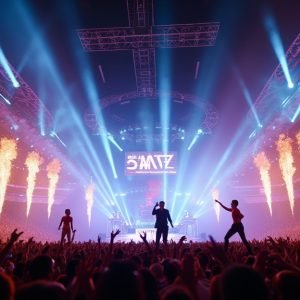
- Production Evolution: The tour featured a sophisticated ‘Tropicoqueta’ aesthetic, characterized by immersive stage design, elaborate LED storytelling, and precise, grand-scale pyrotechnics.
- Cultural Impact: The performances highlighted a shift in the music industry, where Spanish-language artists are now commanding the same stadium-level demand and revenue previously reserved for Anglo-pop giants.
A New Era of Stadium-Scale Latin Pop
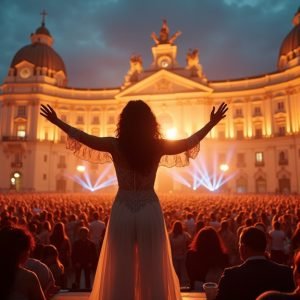
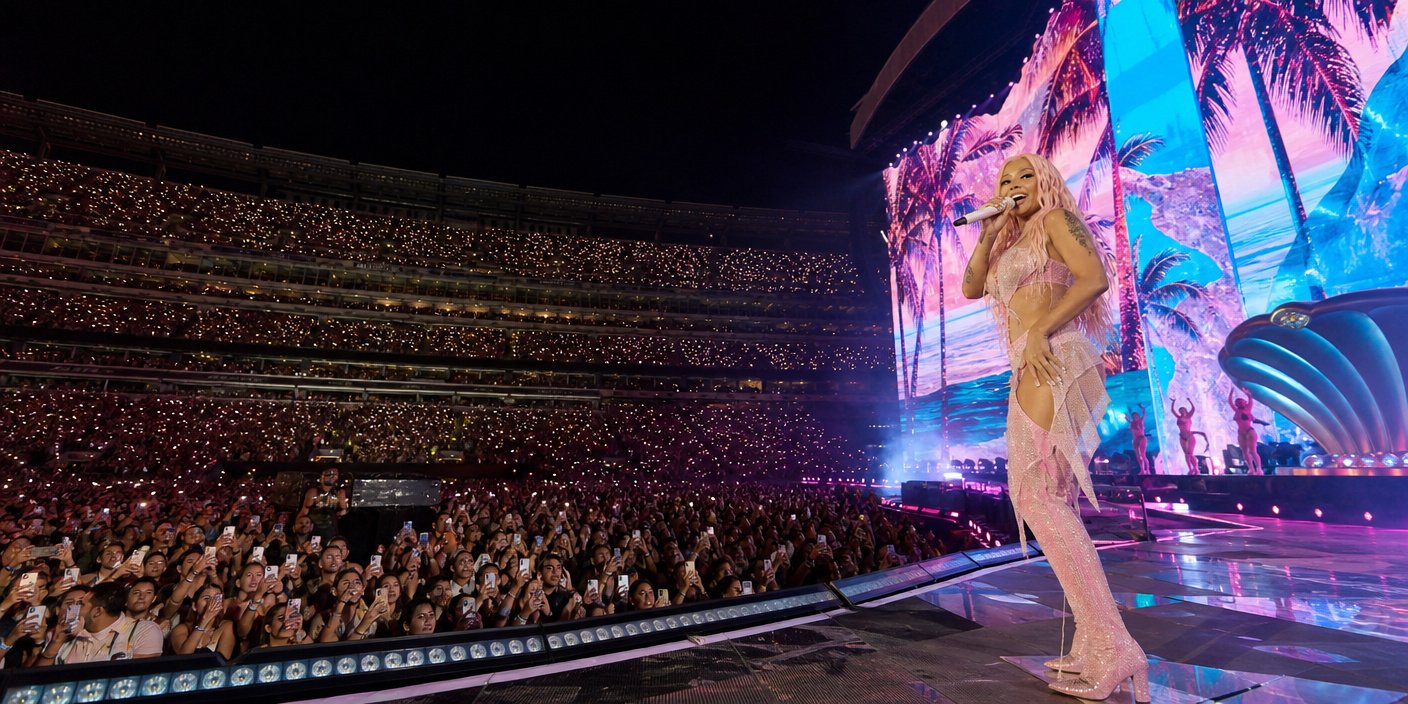
The atmosphere inside MetLife Stadium during the ‘Mañana Será Bonito’ stops was electric, a stark contrast to the traditional concert setups of the past. For decades, the stadium touring circuit was dominated by Anglo-pop icons, but Karol G’s recent New Jersey residency indicates a definitive paradigm shift. The production quality—ranging from the massive, vibrant screens to the intricate set design—was not merely a backdrop for the music; it was an active participant in the performance, guiding the audience through the narrative arc of the ‘Mañana Será Bonito’ era.
The ‘Tropicoqueta’ Visual Language
Central to the concert’s success was the deliberate embrace of a ‘Tropicoqueta’ aesthetic. This blend of tropical warmth and unapologetic ‘Bichota’ swagger created a cohesive visual language that resonated deeply with the diverse crowd. Unlike many stadium shows that rely on sterile, repetitive lighting, Karol G’s set utilized a narrative-driven stage show. The creative choices, from the color palettes mimicking the warmth of Medellín to the precise timing of the fireworks, felt curated to elevate her discography to an operatic scale. This was not just a concert; it was an immersive experience that validated the artist’s heavy investment in production value.
Industry Economics and Demand
Beyond the visuals, the economic implications of this tour are significant. Live Nation, which promoted the tour, has noted that demand for Latin artists has surged, often outperforming historical benchmarks. Karol G’s ability to command a venue of this magnitude suggests that the ‘Latin wave’ is no longer a trend but a permanent fixture in the global music economy. Industry analysts suggest that her success provides a blueprint for future Latin artists, proving that the ‘crossover’ phase—once thought to require singing in English—is now obsolete. Audiences are increasingly willing to pay premium prices for authentic, culturally rich experiences, regardless of the language barrier.
Audience Connection and The ‘Bichota’ Phenomenon
Perhaps the most compelling aspect of the MetLife performance was the rapport between Karol G and her audience. Her brand of ‘Bichota’—a colloquialism she has turned into a symbol of female empowerment—has created a loyal, almost cult-like following. The crowd, a sea of pink and teal, was as much a part of the spectacle as the artist herself. Throughout the show, the interplay between the artist’s vulnerability during slower ballads and her confidence during high-energy dance tracks showcased a versatility that many of her contemporaries lack. This emotional range is what transforms a casual listener into a lifelong fan, ensuring long-term sustainability in a volatile industry.
The Future of Global Touring
Looking ahead, the success of the ‘Mañana Será Bonito’ tour sets a high bar for upcoming stadium acts. It forces the industry to reconsider what constitutes a ‘global’ tour. As Karol G continues to traverse major venues worldwide, she is not only breaking records but also opening doors for a new generation of artists who want to maintain their cultural identity while achieving global reach. The transition from club artist to stadium icon is complete, and the trajectory suggests that her influence will continue to scale as she leans further into the intersection of technology, fashion, and music.
FAQ: People Also Ask
Q: What is the significance of the ‘Mañana Será Bonito’ tour for Karol G?
A: It represents her emergence as a primary global stadium-touring act, breaking attendance and revenue records for Latin female artists and showcasing a high-concept production style previously reserved for top-tier Anglo-pop stars.
Q: How did the production at MetLife Stadium differ from previous tours?
A: The tour introduced the ‘Tropicoqueta’ aesthetic, which involved higher investment in narrative-driven stage design, large-scale pyrotechnics, and sophisticated LED visual storytelling, elevating the concert to a high-budget theatrical experience.
Q: What is the ‘Bichota’ era/concept?
A: ‘Bichota’ is a term Karol G has championed to represent confidence, empowerment, and independence. It has become the core identity of her brand, resonating with a vast fanbase and influencing the aesthetic, fashion, and thematic choices of her tours.