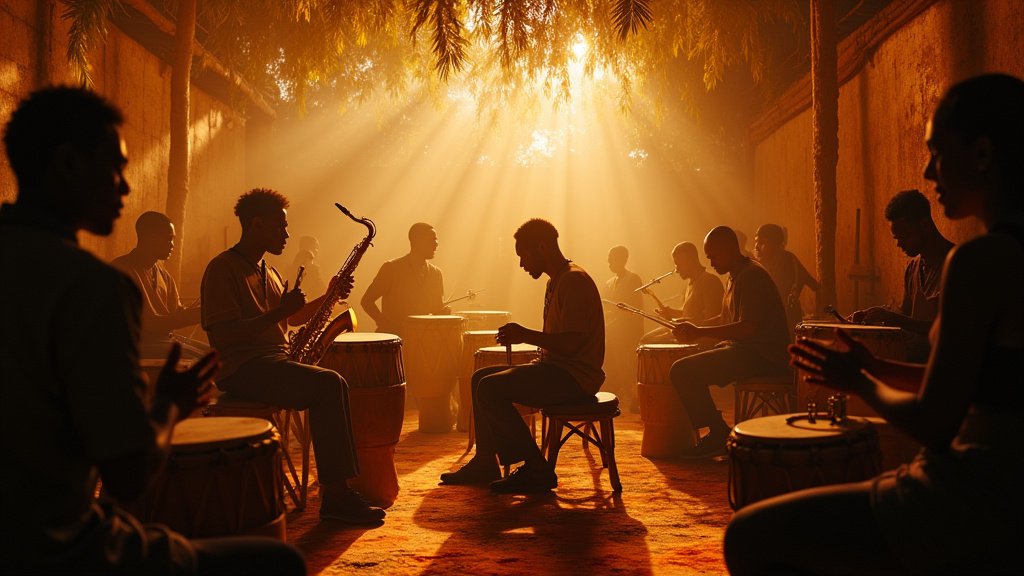
Saxophonist Lakecia Benjamin is making waves with her latest project, “Lakou NYC,” a vibrant exploration of Haitian Rhythmyk traditions. Benjamin, a rising star in the jazz world, aims to create a musical experience that is not just an artistic endeavor but a profound cultural bridge.
Key Highlights:
- Lakecia Benjamin’s “Lakou NYC” project blends Haitian Rhythmyk with jazz.
- The album features collaborations with Haitian music luminaries.
- Benjamin seeks to honor ancestral traditions while innovating.
- The project emphasizes community and cultural exchange.
Blending Traditions: The “Lakou NYC” Sound
The heart of Lakecia Benjamin’s “Lakou NYC” lies in its ambitious fusion of contemporary jazz sensibilities with the rich, ancestral rhythms of Haiti. Benjamin, a protégée of jazz legends such as Reggie Workman and Clark Terry, has consistently pushed the boundaries of the genre, but “Lakou NYC” represents a significant deepening of her commitment to cross-cultural musical dialogue. The project is more than an album; it’s a curated experience designed to immerse listeners in the vibrant soundscape of Haitian Vodou drumming and its intricate connection to broader diasporic musical forms. Benjamin’s saxophone playing, known for its fiery intensity and soulful lyricism, serves as the perfect conduit for these complex rhythms, weaving melodies that are both challenging and deeply resonant.
Ancestral Roots and Modern Expressions
Benjamin’s exploration into Haitian Rhythmyk is not superficial. She delves into the spiritual and communal essence of these traditions, working closely with masters of the genre. This collaboration ensures authenticity and respect for the heritage she is interpreting. The album features guest artists who are torchbearers of Haitian musical traditions, adding layers of percussive depth and vocal richness that are integral to the Rhythmyk sound. For Benjamin, this project is a way to honor her own heritage and to educate a wider audience about the profound influence of Haitian music on global genres, including jazz. It’s about showcasing the sophistication and power of these rhythms, often misunderstood or relegated to niche communities.
The Community and Cultural Exchange
Beyond the sonic artistry, “Lakou NYC” is fundamentally about community. The project draws its name from the “Lakou,” a Haitian concept referring to a spiritual homeland or community compound, often centered around Vodou traditions. Benjamin envisions her project fostering a similar sense of connection and shared experience. The performances and recordings are designed to be communal affairs, inviting audiences to participate in the cultural exchange. This approach extends the life of the music beyond the studio, creating a living, breathing entity that strengthens cultural bonds and fosters mutual understanding. It’s a testament to Benjamin’s belief that music can be a powerful force for social cohesion and spiritual connection.
FAQ: People Also Ask
What is Haitian Rhythmyk?
Haitian Rhythmyk refers to the complex and diverse traditional drumming and musical practices originating from Haiti, deeply intertwined with Vodou ceremonies and cultural heritage. It encompasses a wide array of rhythms, percussion instruments, and spiritual significance.
Who are the collaborators on “Lakou NYC”?
While specific names may vary with different iterations of the project, Lakecia Benjamin collaborates with esteemed Haitian musicians and practitioners who are experts in Rhythmyk traditions, ensuring the authenticity and depth of the musical offerings.
How does Lakecia Benjamin connect jazz with Haitian music?
Benjamin uses her saxophone as a primary melodic instrument to improvise and compose over the intricate polyrhythms of Haitian drumming. She bridges the genres by finding common ground in improvisation, syncopation, and soulful expression, creating a unique sonic dialogue.
What is the significance of the “Lakou” concept?
The “Lakou” in Haiti represents a sacred space, a spiritual community, or ancestral home, often associated with Vodou practice. For Benjamin, the term signifies a place of deep cultural roots, community gathering, and spiritual connection, which she aims to embody in her musical project.