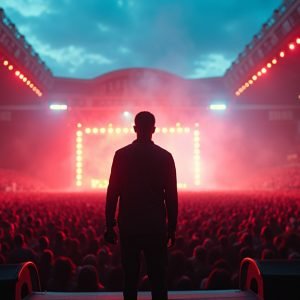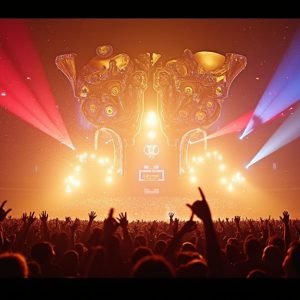
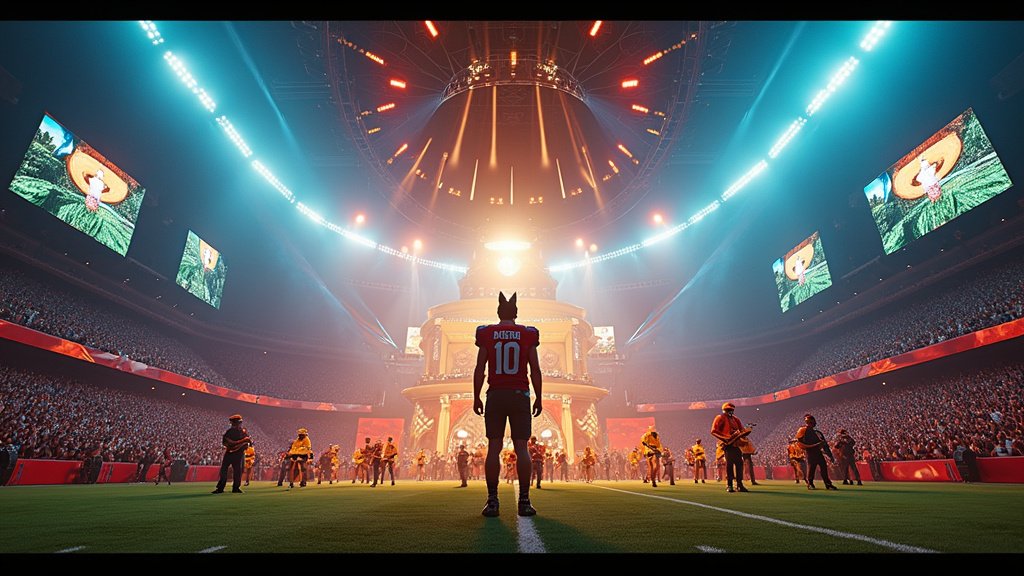
The anticipation for the Bad Bunny Super Bowl performance was immense, and he did not disappoint. Headlining the halftime show on February 8, 2026, Bad Bunny delivered a landmark event for Latin culture, a vibrant celebration of Puerto Rico‘s rich heritage that captivated over 128 million viewers. This Bad Bunny Super Bowl appearance cemented his status as a global icon and a true Latin music icon, showcasing the power of Spanish language music.
Bad Bunny Super Bowl: A Cultural Powerhouse
Bad Bunny is a global music icon hailing from Puerto Rico. The artist is known for his reggaeton and Latin trap fusion, consistently singing in Spanish. This choice honors his fans and defies industry pressure to use English, highlighting his commitment to Puerto Rican identity. His music often tackles themes of colonialism and gentrification, bringing important issues to the forefront. The Bad Bunny Super Bowl halftime show was a perfect platform for these messages, showcasing his global music impact and proving the immense appeal of the Bad Bunny Super Bowl.
The Super Bowl LX Spectacle: A Bad Bunny Super Bowl Triumph
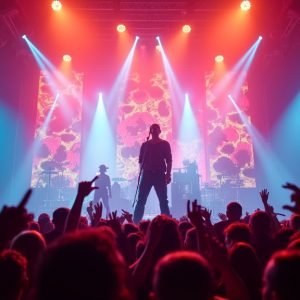
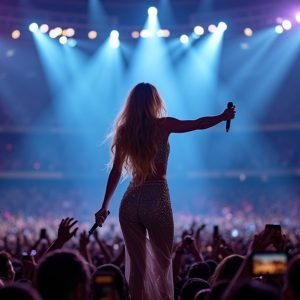
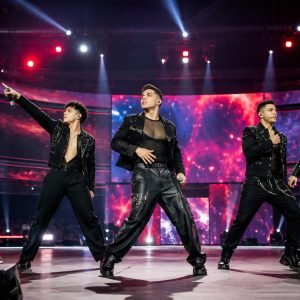
The Bad Bunny Super Bowl halftime show was a vibrant spectacle, transforming Levi’s Stadium into a celebration of Puerto Rico. The performance opened with imagery of Puerto Rican landscapes, featuring sugarcane fields and rural farmers on screen. Bad Bunny emerged from tall grasses, wearing a custom football jersey with “Ocasio” on the back, honoring his maternal lineage. This visual storytelling was a key part of the Bad Bunny Super Bowl experience, offering significant cultural representation and a memorable Bad Bunny halftime show.
Showcasing Puerto Rican Roots at the Bad Bunny Super Bowl
Several elements of the Bad Bunny Super Bowl performance highlighted Puerto Rican culture. Traditional sounds were featured prominently, including the cuatro puertorriqueño, a stringed instrument. “La Casita,” a replica of a traditional Puerto Rican house, served as a central set piece, representing the communal heart of Puerto Rican life. Dancers and performers appeared in traditional pava hats, and the performance included references to local businesses, all contributing to the rich tapestry of the Bad Bunny Super Bowl, making it a truly authentic Bad Bunny Super Bowl celebration.
Music and Messages: The Bad Bunny Super Bowl Impact
Bad Bunny performed a selection of his hits during the Bad Bunny Super Bowl halftime show. He opened with “Tití Me Preguntó” and later sang “El Apagón” while holding a Puerto Rican flag, a song that critiques colonization and government neglect. Ricky Martin joined him for “Lo Que Le Pasó a Hawaii,” a track drawing parallels between Puerto Rico and Hawaii’s history with the U.S. The performance also featured a multilingual signing program, incorporating Puerto Rican Sign Language to make the show accessible to more viewers. Bad Bunny’s message of unity and love was clear, as he declared, “Together, we are America.” This was a defining moment of the Bad Bunny Super Bowl, a true Super Bowl performance to remember.
Cultural Significance and Context of the Bad Bunny Super Bowl
Bad Bunny’s Bad Bunny Super Bowl performance was not without controversy. Some critics voiced backlash, and President Trump criticized the Spanish-language performance, even leading to a rival halftime show organized by Turning Point USA. However, Bad Bunny remained steadfast, using his platform to challenge systems of power. His music resonates deeply with Latinx audiences, offering a powerful affirmation of Puerto Rican identity and cultural significance. The Bad Bunny Super Bowl was a testament to this, highlighting the power of Spanish language music and the Bad Bunny Super Bowl‘s broad appeal.
Historic Achievements Beyond the Bad Bunny Super Bowl
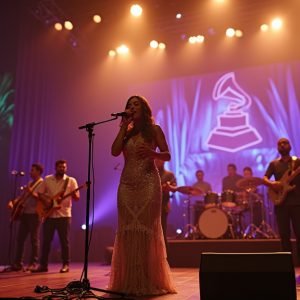
This Bad Bunny Super Bowl performance followed a historic Grammy win, where Bad Bunny’s album “Debí Tirar Más Fotos” won Album of the Year, the first all-Spanish language album to achieve this. The album itself is a love letter to Puerto Rico, weaving traditional genres like salsa and bomba. Following the Bad Bunny Super Bowl, his song “DTMF” reached No. 1 on the Billboard Hot 100, marking his first solo chart-topper and showcasing the Latin music global impact and the continued success of this reggaeton artist.
Future Endeavors Following the Bad Bunny Super Bowl
Bad Bunny continues to expand his influence following his monumental Bad Bunny Super Bowl appearance. He is set to star in the film “Porto Rico,” a historical drama directed by Rene “Residente” Perez Joglar that explores Puerto Rico’s complex colonial history. The film boasts a star-studded cast. Bad Bunny’s career demonstrates the growing global power of Latin music and the enduring appeal of Spanish language music. His artistry connects deeply with his roots, and he is a significant artist shaping modern culture. The Bad Bunny Super Bowl was a pivotal moment in this journey, solidifying his place as a premier reggaeton artist.
A Legacy of Pride from the Bad Bunny Super Bowl
Bad Bunny’s Bad Bunny Super Bowl halftime show was more than a performance; it was a powerful statement of cultural pride. It celebrated Puerto Rican identity on a global stage, with his music and messages championing unity and heritage. The artist continues to inspire millions worldwide, a true testament to the strength of cultural roots and the cultural significance of his work. The Bad Bunny Super Bowl will be remembered as a historic moment for representation and a standout Bad Bunny halftime show.